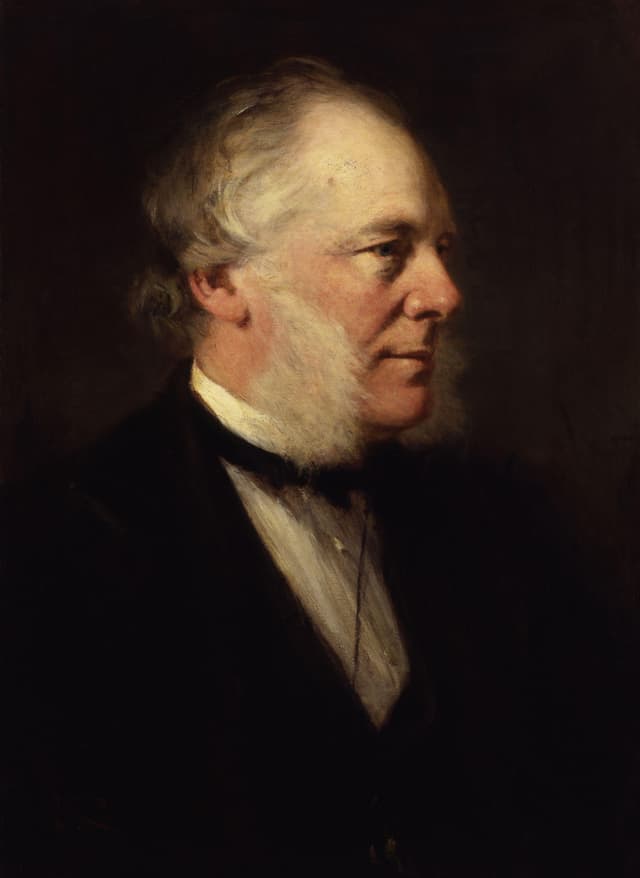
Samuel Smiles
Samuel Smiles was a British author and government reformer known for his influential ideas on self-improvement and personal responsibility. Born in 1812, he initially engaged with the Chartist movement, advocating for political reform, but he ultimately believed that societal progress stemmed more from individual attitudes than legislative changes. His seminal work, 'Self-Help,' published in 1859, argued that poverty was primarily a result of irresponsible habits rather than systemic issues, promoting thrift and self-reliance as pathways to success. This book became a cornerstone of mid-Victorian liberalism, shaping public discourse on personal agency and moral responsibility. Smiles' writings extended beyond 'Self-Help,' encompassing various topics related to character building and the virtues of hard work. His emphasis on individualism and self-improvement resonated with the Victorian ethos, influencing both contemporary thought and future generations. Through his advocacy for personal agency, Smiles contributed significantly to the development of social reform ideas in Britain, leaving a legacy that emphasized the power of individual effort in overcoming adversity.
Famous Quotes
View all 10 quotes“Sow a thought, and you reap an act;Sow an act, and you reap a habit;Sow a habit, and you reap a character;Sow a character, and you reap a destiny.””
“The happiness of life is made up of minute fractions - the little, soon forgotten charities of a kiss or a smile, a kind look or heartfelt compliment.””
“Personally of course I regret everything.Not a word, not a deed, not a thought, not a need,not a grief, not a joy, not a girl, not a boy,not a doubt, not a trust, not a scorn, not a lust,not a hope, not a fear, not a smile, not a tear,not a name, not a face, no time, no place...that I do not regret, exceedingly.An ordure, from beginning to end.””
Books from the author

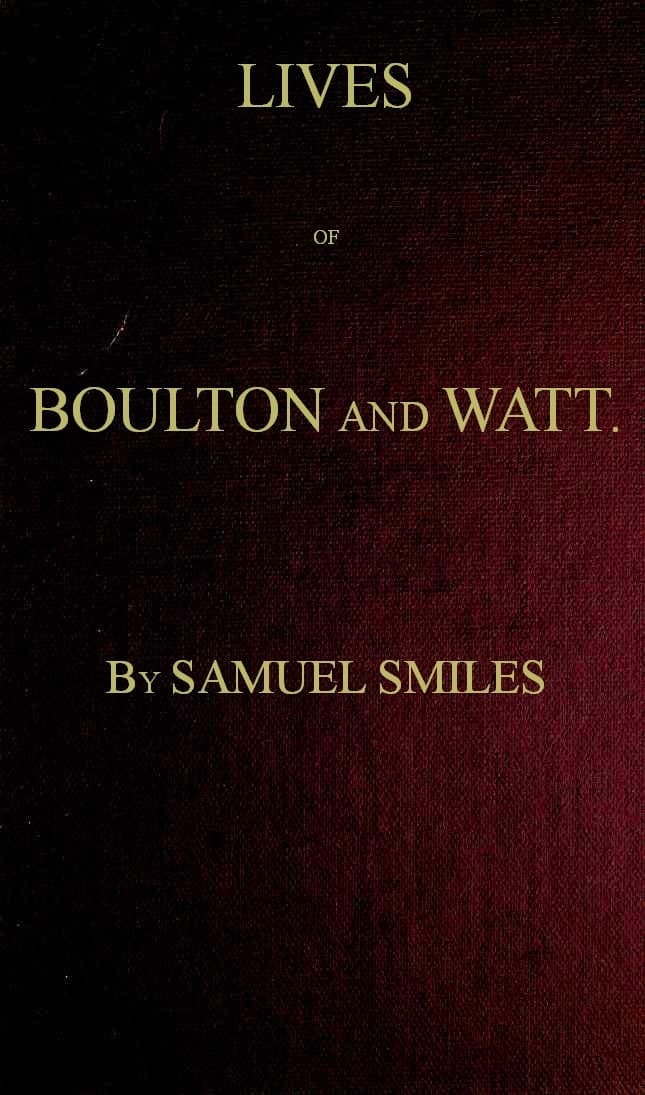
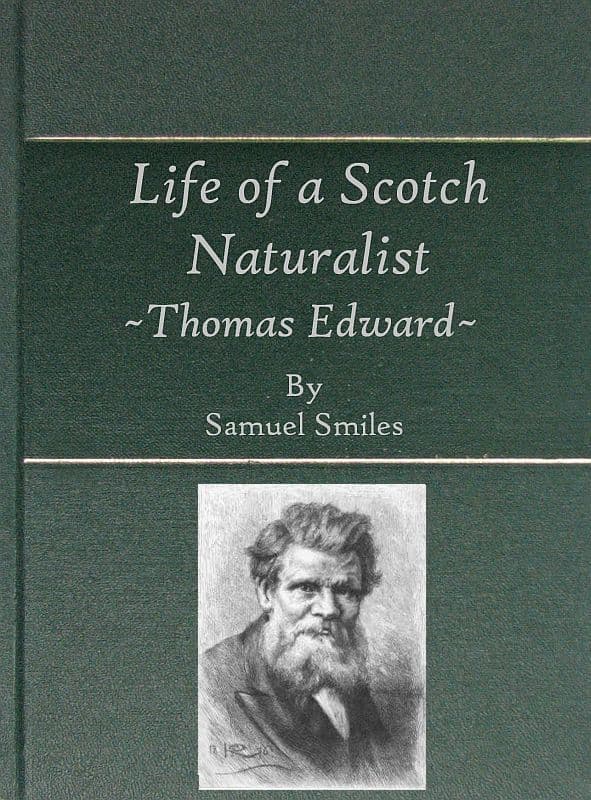




Link to this page
Add a free, dofollow link to Lex on your blog, forum, syllabus, or reading list.

<a href="https://lex-books.com/author/samuel-smiles"><img src="https://lex-books.com/badges/read-on-lex.svg" alt="Samuel Smiles on Lex" width="160" height="40"></a>[](https://lex-books.com/author/samuel-smiles)[url=https://lex-books.com/author/samuel-smiles][img]https://lex-books.com/badges/read-on-lex.svg[/img][/url]Samuel Smiles on Lex: https://lex-books.com/author/samuel-smiles