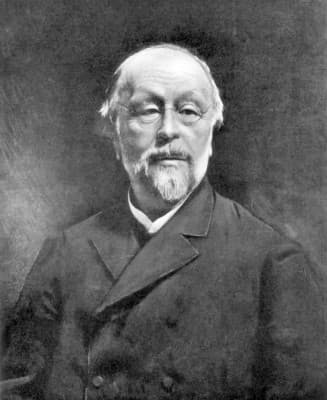
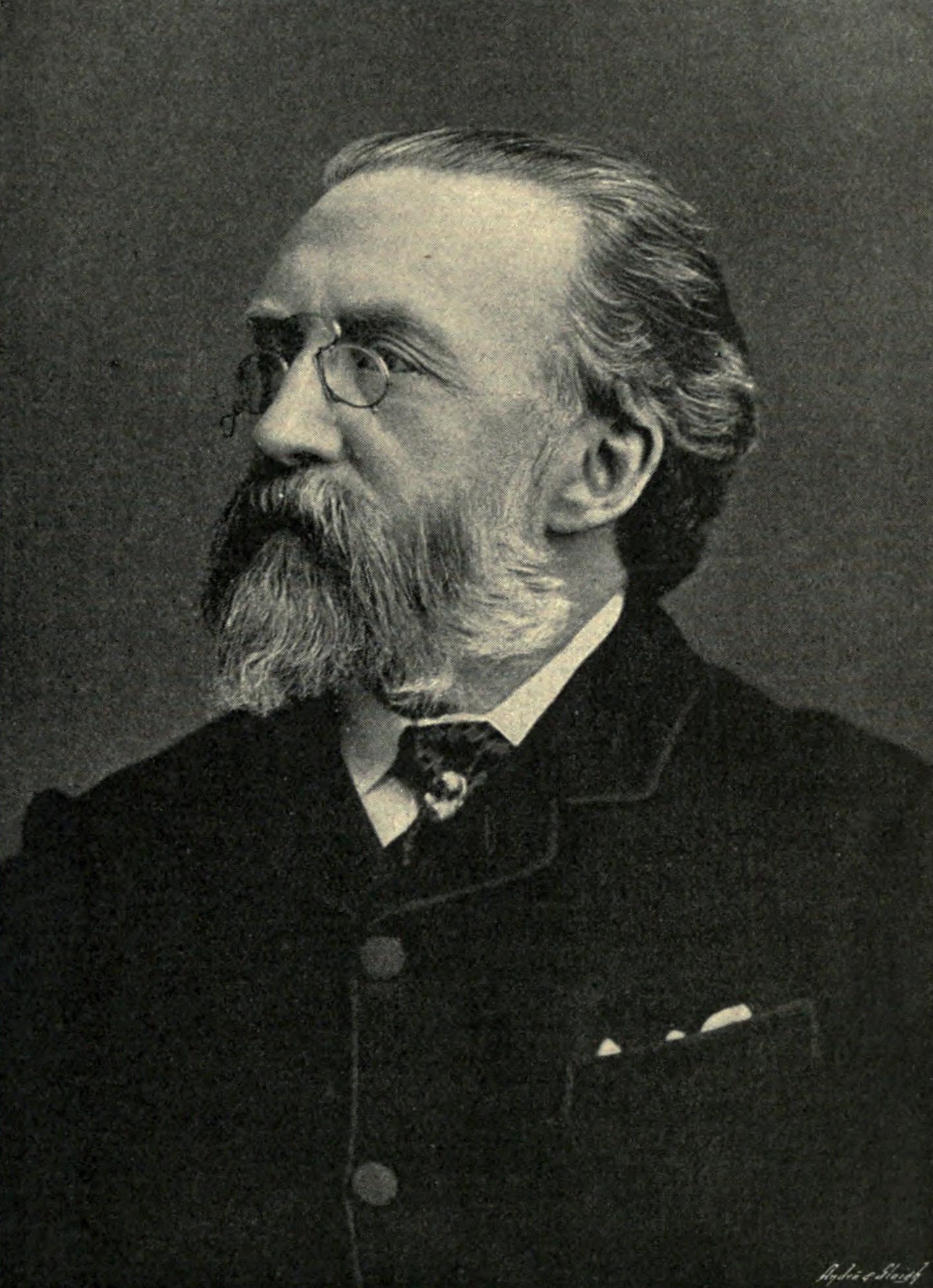
Hippolyte Taine
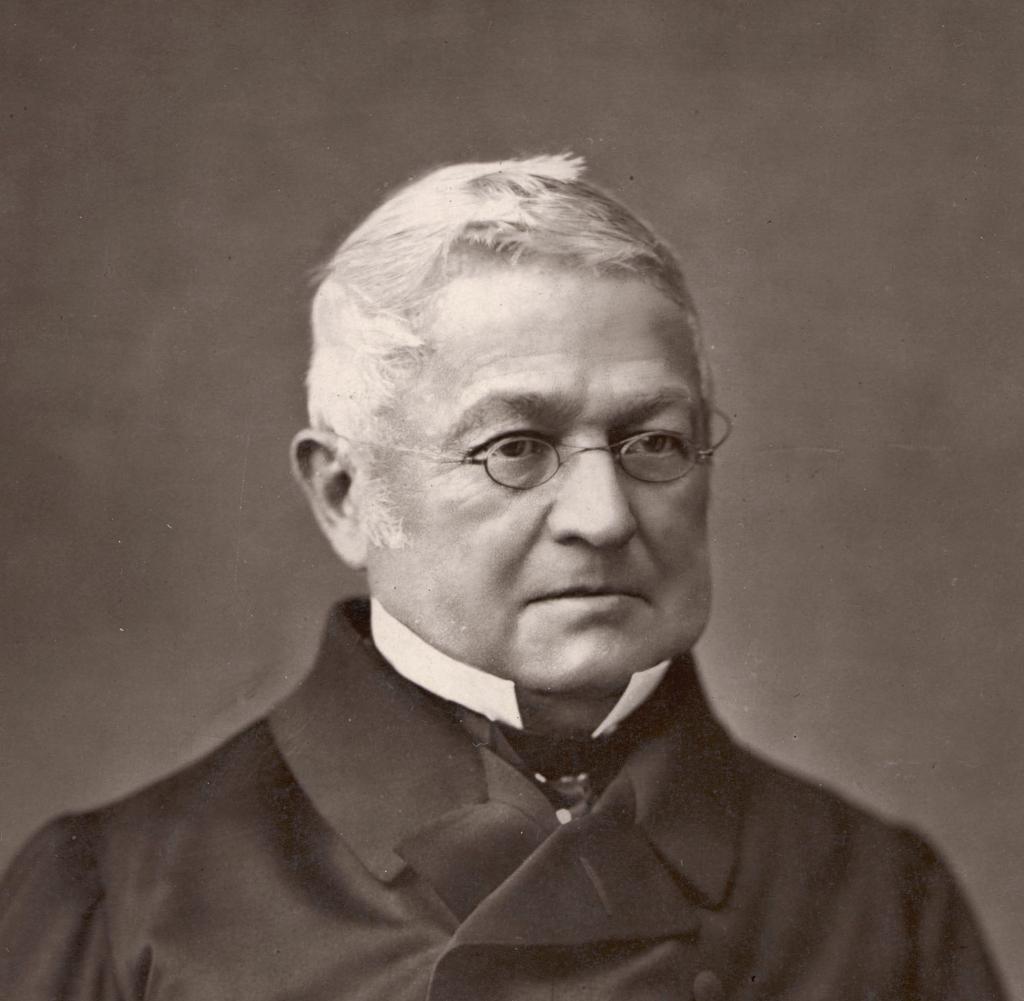
Hippolyte Taine was a prominent French historian, critic, and philosopher whose work significantly shaped the landscape of 19th-century literature and criticism. He emerged as a leading figure in the development of French naturalism and is recognized as one of the first practitioners of historicist criticism, a method that emphasized the importance of historical context in understanding literature. Taine's influential theories posited that literature could be analyzed scientifically, and he sought to apply a rigorous, empirical approach to literary criticism. His seminal works, including 'History of English Literature' and 'The Philosophy of Art,' laid the groundwork for future literary analysis and criticism, establishing a framework that would be built upon by later writers and theorists. Taine's impact on French literature was profound, with his ideas resonating through the works of notable authors such as Émile Zola, Paul Bourget, and Guy de Maupassant. His emphasis on the interplay between environment, social conditions, and individual psychology in shaping artistic expression marked a significant departure from previous literary criticism. Additionally, Taine's reflections on the cultural and political climate of France, particularly in the aftermath of the Franco-Prussian War, contributed to the formation of modern right-wing historiography. His legacy endures in the fields of literary criticism and history, where his pioneering methodologies continue to influence scholars and writers alike.
Famous Quotes
View all 3 quotes“I have studied many philosophers and many cats. The wisdom of cats is infinitely superior.”
“The wisdom of cats is infinitely superior.”
“Le chien est un animal si difforme, d’un caractère si désordonné, que de tout temps il a été considéré comme un monstre, né et formé en dépit de toutes les lois. En effet, lorsque le repos est l’état naturel, comment expliquer qu’un animal soit toujours remuant, affairé, et cela sans but ni besoin, lors même qu’il est repu et n’a point peur ? Lorsque la beauté consiste universellement dans la souplesse, la grâce et la prudence, comment admettre qu’un animal soit toujours brutal, hurlant, fou, se jetant au nez des gens, courant après les coups de pied et les rebuffades ? Lorsque le favori et le chef-d’oeuvre de la création est le chat, comment comprendre qu’un animal le haïsse, coure sur lui sans en avoir reçu une seule égratignure, et lui casse les reins sans avoir envie de manger sa chair ? Ces contrariétés prouvent que les chien sont des damnés ; très certainement les âmes coupables et punies passent dans leurs corps. Elles y souffrent : c’est pourquoi ils se tracassent et s’agitent sans cesse. Elles ont perdu la raison : c’est pourquoi ils gâtent tout, se font battre, et sont enchaînés les trois quarts du jour. Elles haïssent le beau et le bien : c’est pourquoi ils tâchent de nous étrangler.”
Books from the author
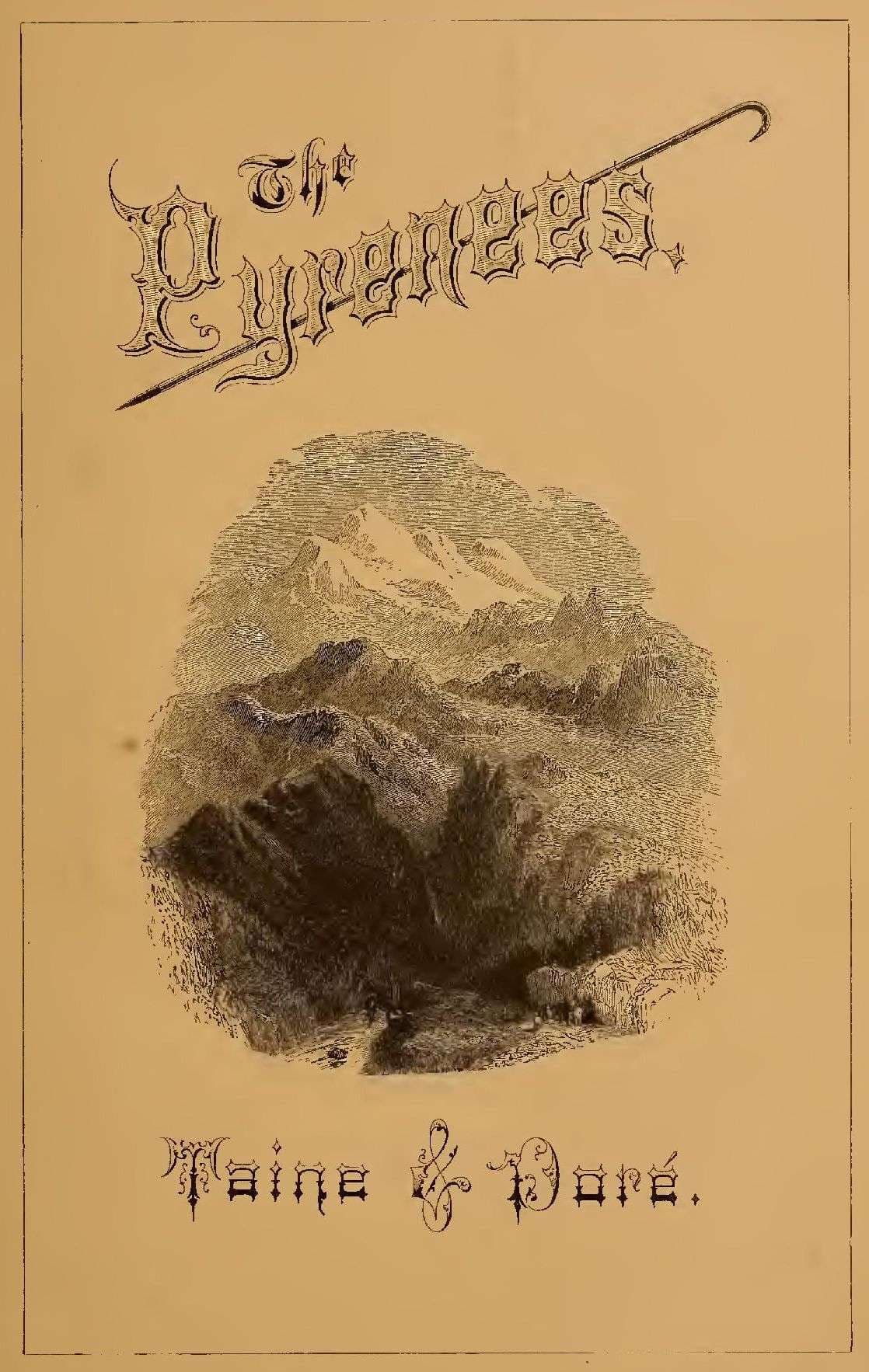
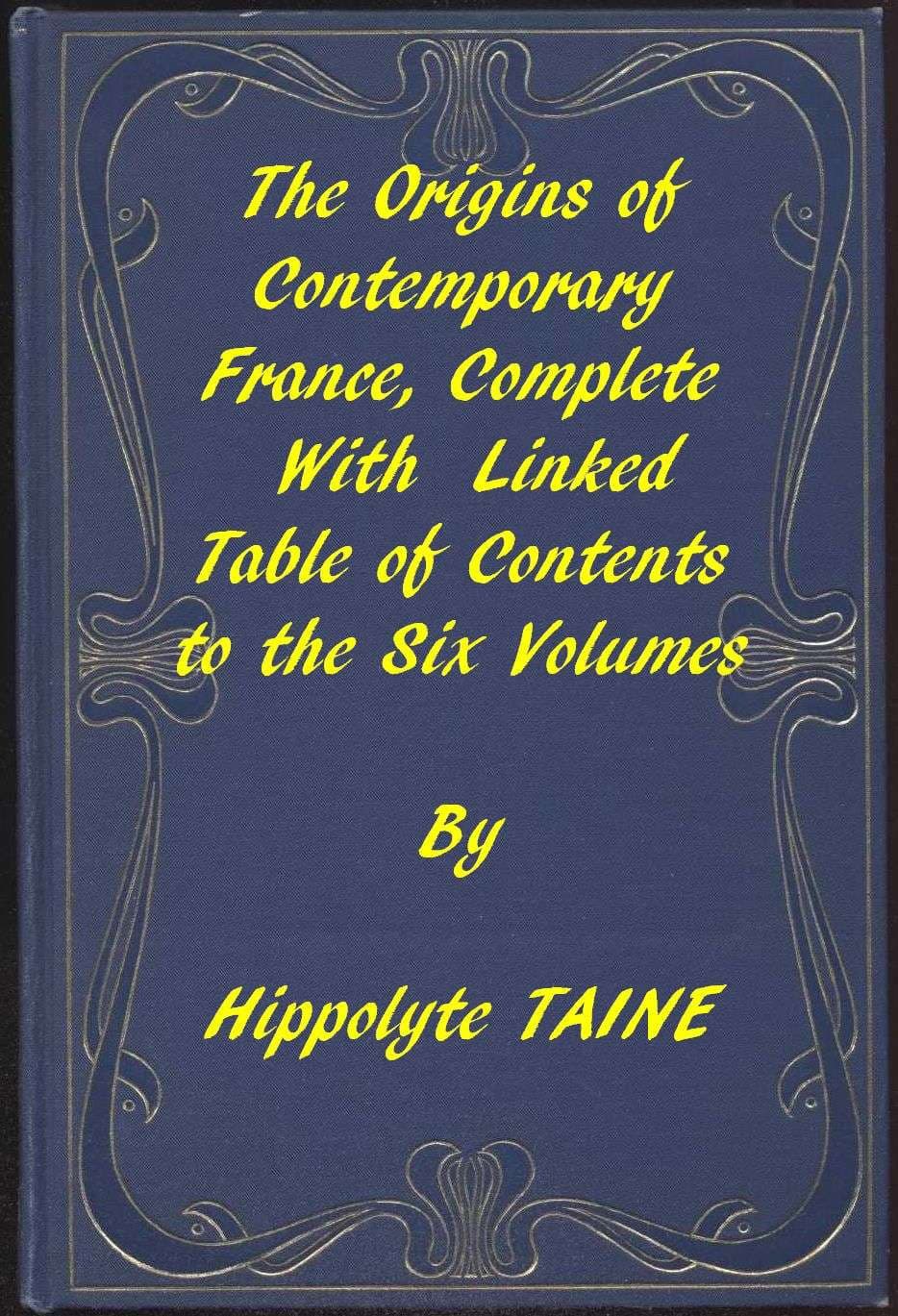


Link to this page
Add a free, dofollow link to Lex on your blog, forum, syllabus, or reading list.

<a href="https://lex-books.com/author/hippolyte-taine"><img src="https://lex-books.com/badges/read-on-lex.svg" alt="Hippolyte Taine on Lex" width="160" height="40"></a>[](https://lex-books.com/author/hippolyte-taine)[url=https://lex-books.com/author/hippolyte-taine][img]https://lex-books.com/badges/read-on-lex.svg[/img][/url]Hippolyte Taine on Lex: https://lex-books.com/author/hippolyte-taine