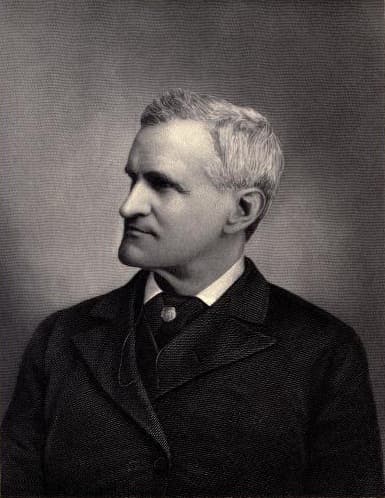
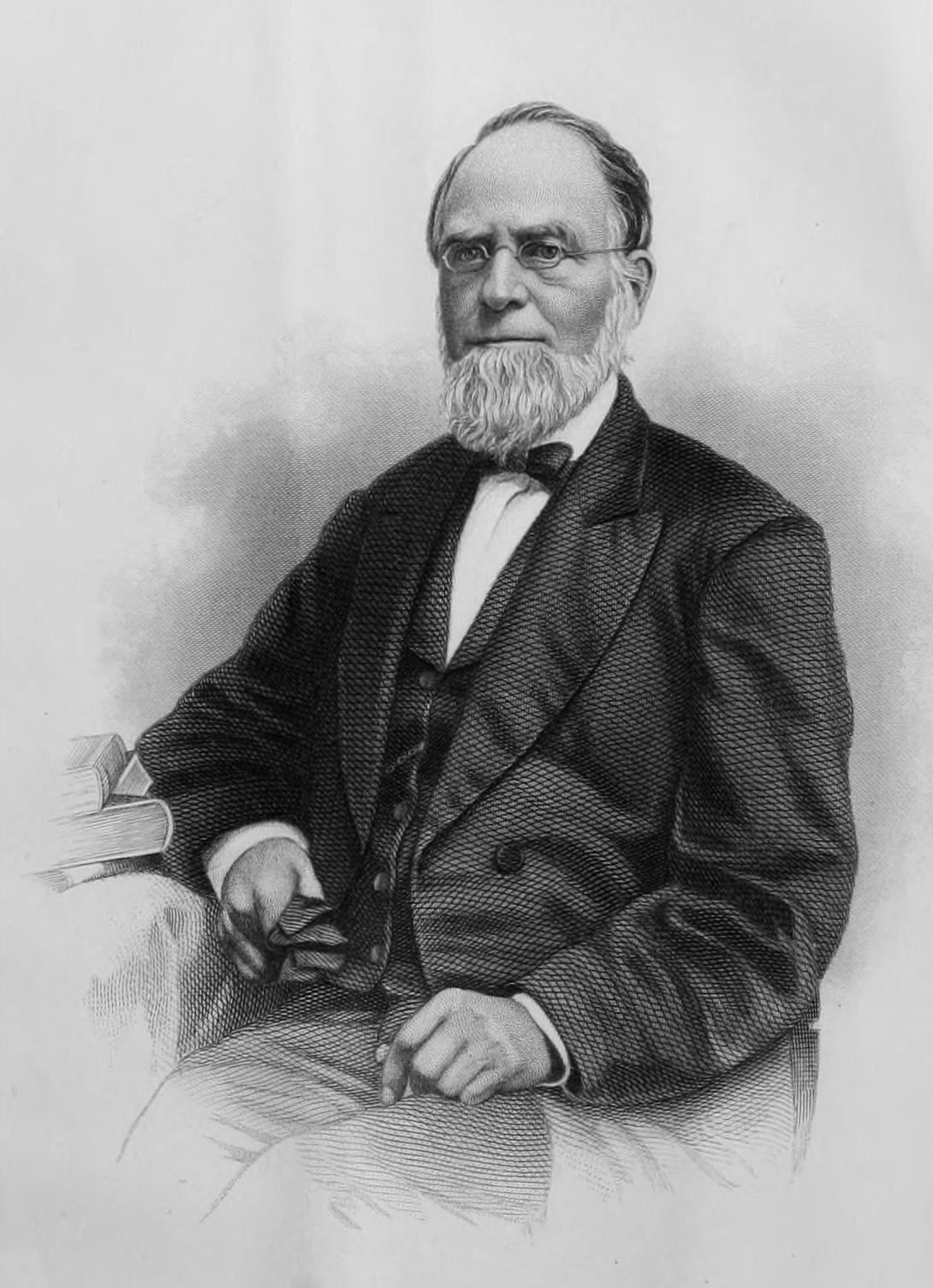
Francis Parkman
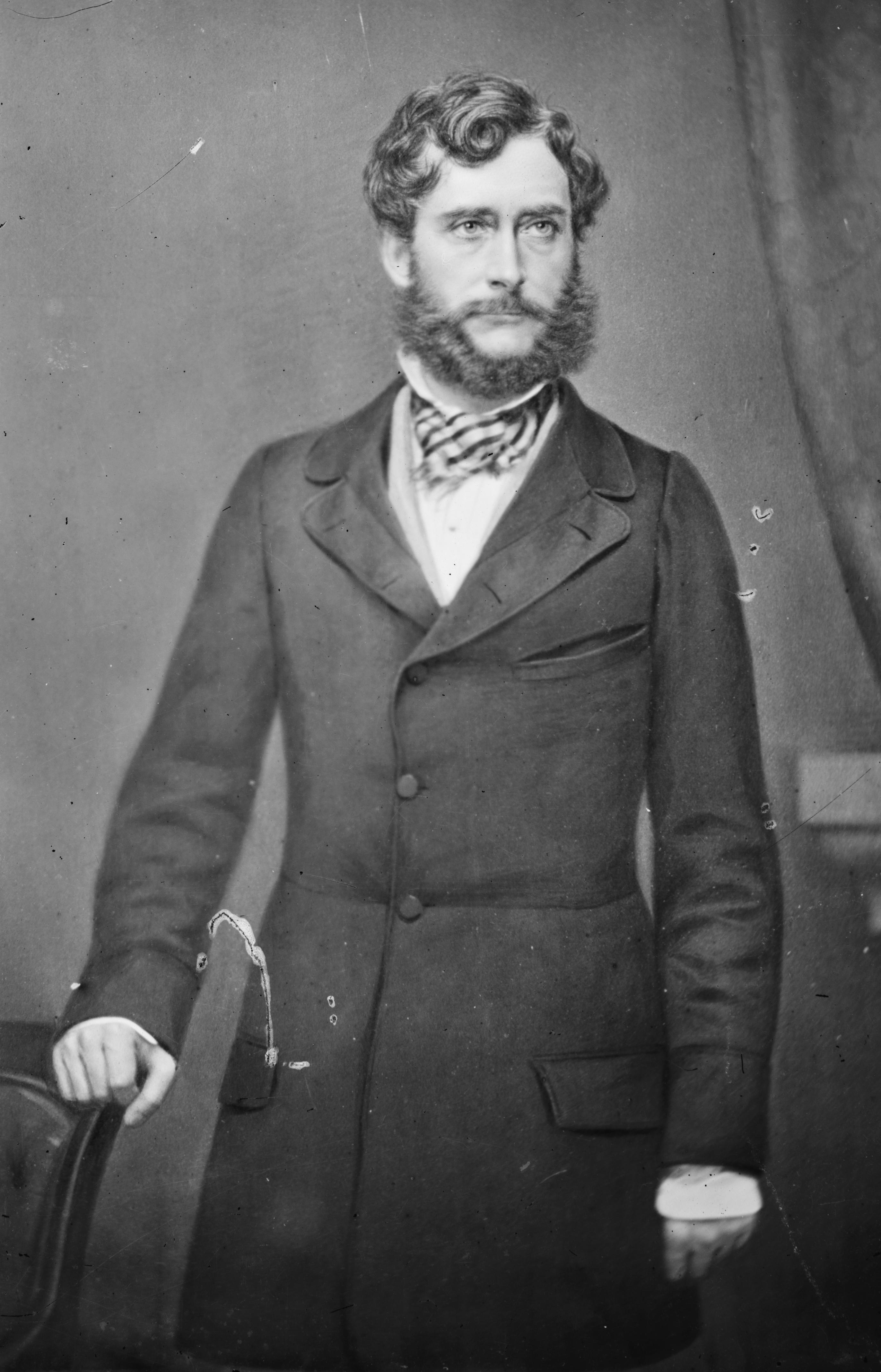
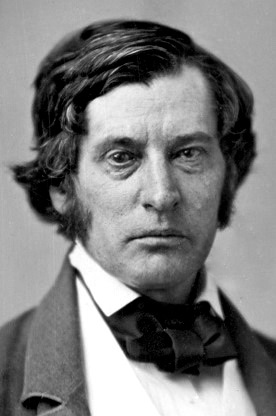
Francis Parkman was an influential American historian and author, renowned for his vivid depictions of early American life and the complex interactions between European powers and Native Americans. His most notable works include 'The Oregon Trail: Sketches of Prairie and Rocky-Mountain Life,' which offers a firsthand account of the American frontier, and the extensive seven-volume series 'France and England in North America,' a detailed narrative that explores the colonial history of North America through the lens of French and British perspectives. These works not only serve as valuable historical sources but also showcase Parkman's literary prowess, blending narrative storytelling with rigorous historical analysis. In addition to his historical writings, Parkman was a prominent horticulturist and briefly served as a professor of horticulture at Harvard University. His contributions to the field included several books on horticulture, reflecting his deep interest in botany and landscape design. Despite his significant achievements, Parkman also held controversial views, notably opposing women's suffrage, which sparked debate during his time and continued to be discussed long after his death. His legacy endures through his writings, which remain essential for understanding the early American experience and the historical narratives that shaped the nation.
Famous Quotes
View all 3 quotes“Faithfulness to the truth of history involves far more than research, however patient and scrupulous, into special facts. The narrator must seek to imbue himself with the life and spirit of the time.”
“He professed himself a Catholic, but his Catholicity sat lightly on him;”
“Spanish civilization crushed the Indian. English civilization scorned and neglected him. French civilization embraced and cherished him. Francis Parkman”
Books from the author








Link to this page
Add a free, dofollow link to Lex on your blog, forum, syllabus, or reading list.

<a href="https://lex-books.com/author/francis-parkman"><img src="https://lex-books.com/badges/read-on-lex.svg" alt="Francis Parkman on Lex" width="160" height="40"></a>[](https://lex-books.com/author/francis-parkman)[url=https://lex-books.com/author/francis-parkman][img]https://lex-books.com/badges/read-on-lex.svg[/img][/url]Francis Parkman on Lex: https://lex-books.com/author/francis-parkman