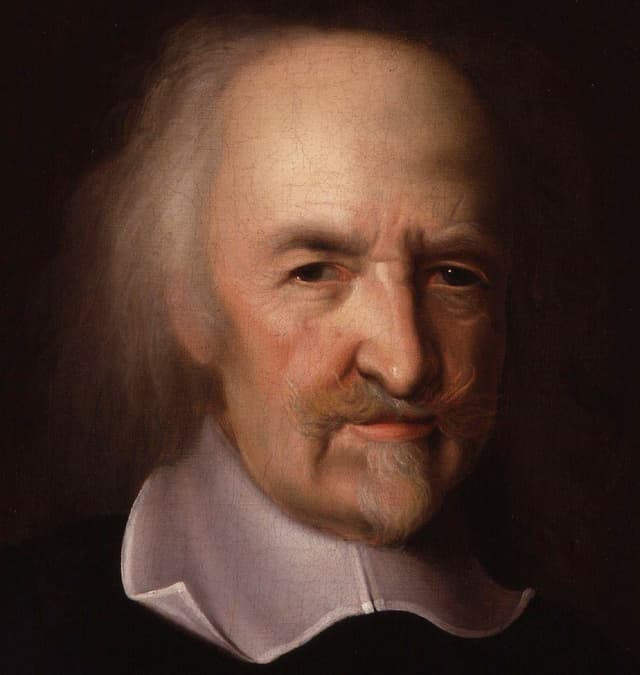
Thomas Hobbes
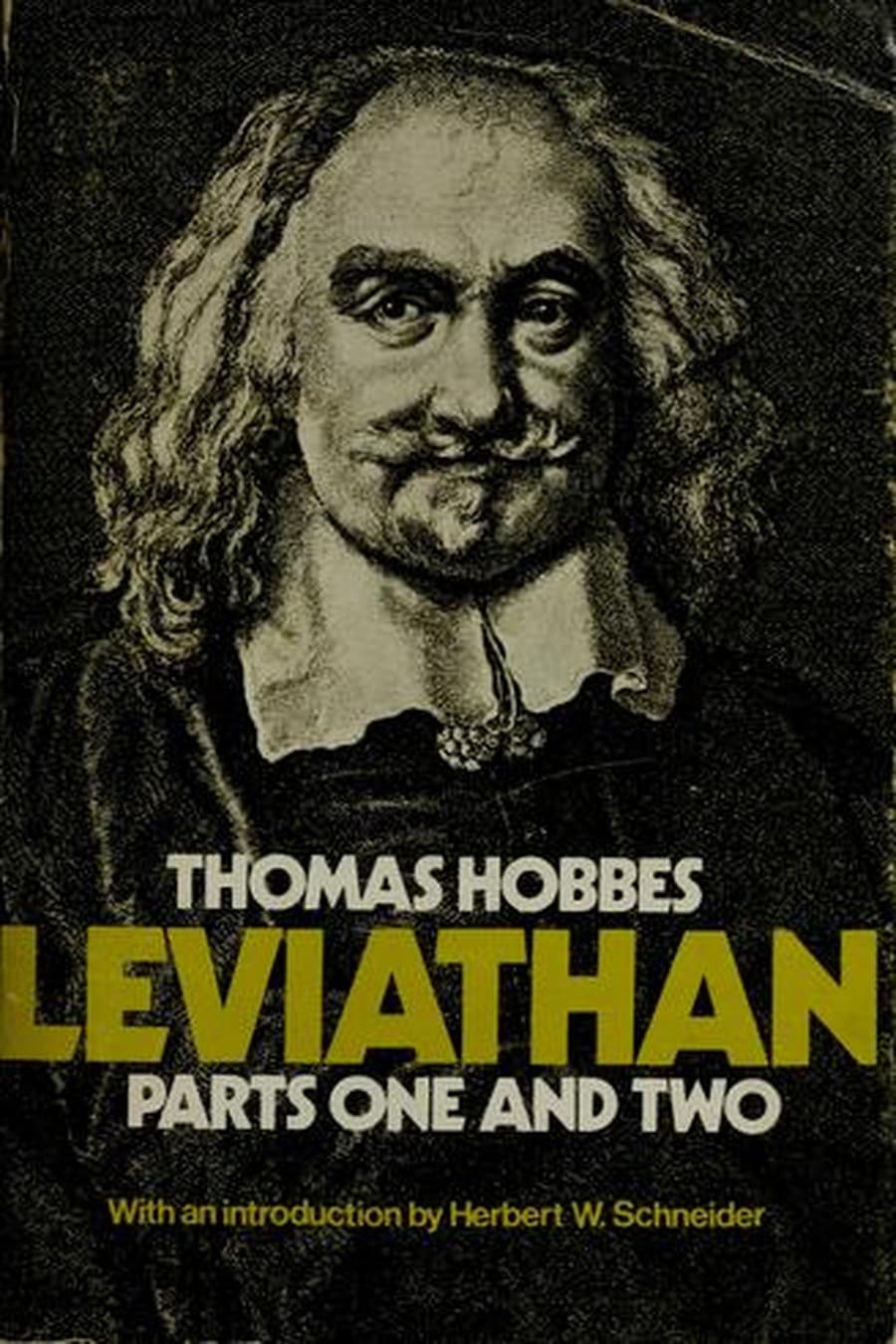
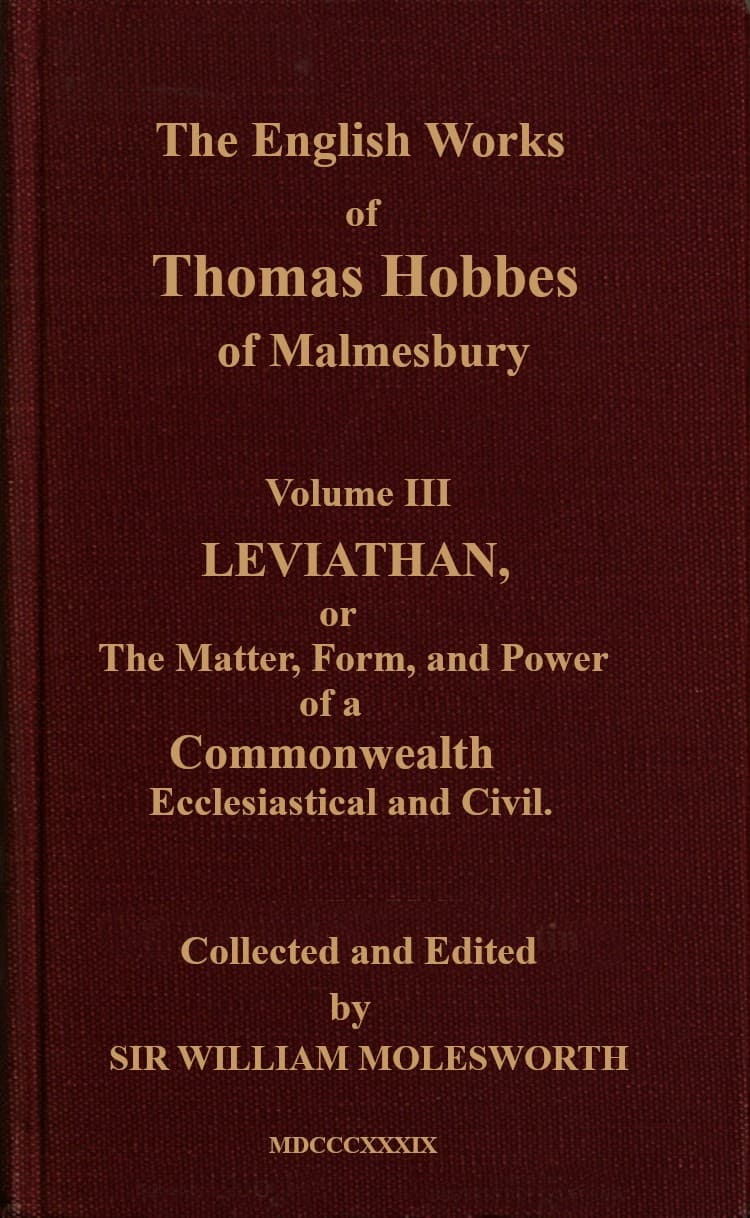
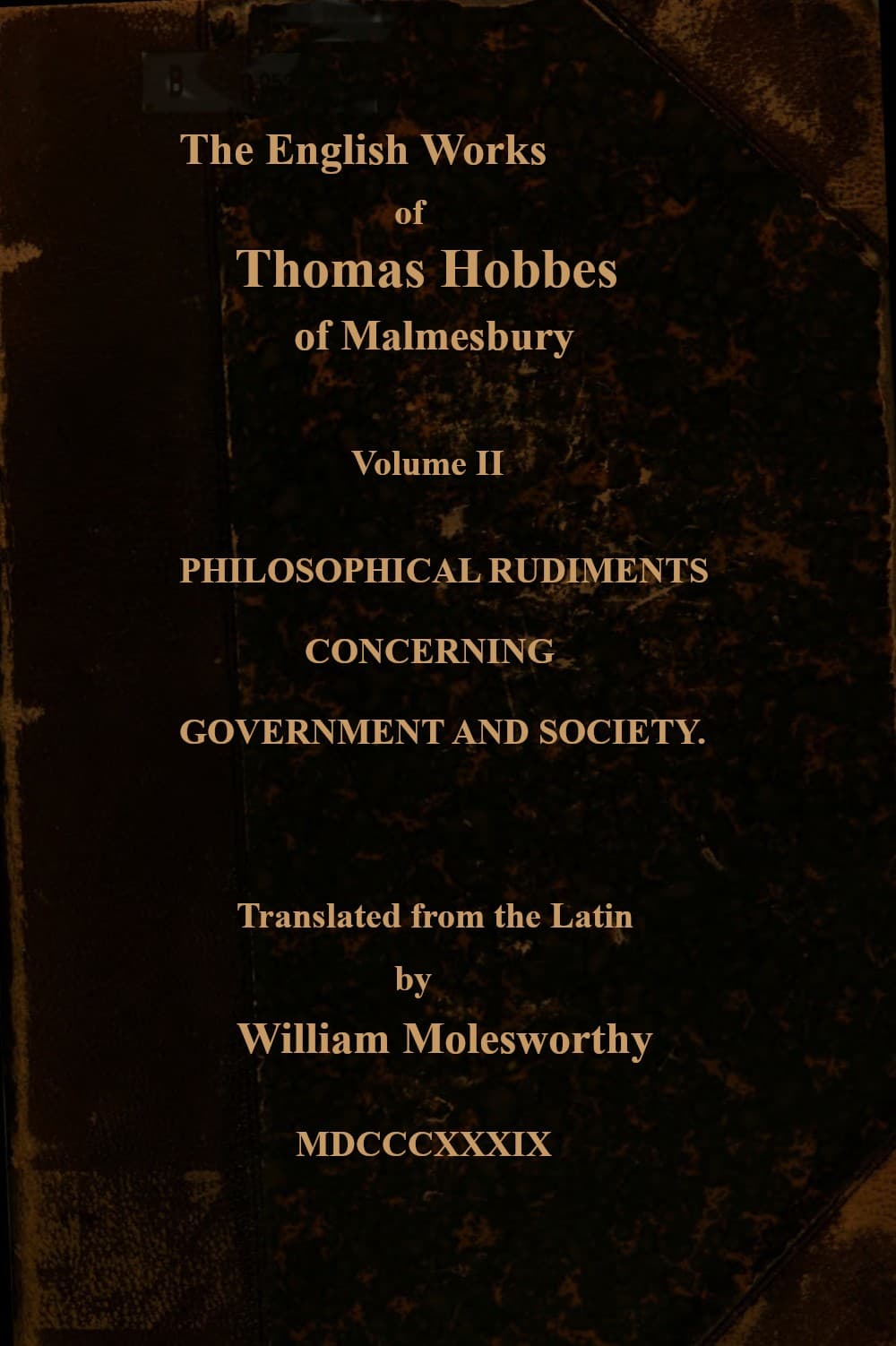
Thomas Hobbes was an English philosopher renowned for his foundational contributions to modern political philosophy, particularly through his seminal work, Leviathan, published in 1651. Born into a tumultuous environment marked by his father's departure, Hobbes was raised by his wealthy uncle, which afforded him an education at the University of Oxford and later at the University of Cambridge. His intellectual journey was enriched by extensive travels across Europe, where he engaged with prominent thinkers such as Galileo. These experiences profoundly shaped his views on human nature and governance, particularly during the turbulent times of the English Civil War, which he witnessed firsthand. In Leviathan, Hobbes articulated a compelling argument for social contract theory, positing that an absolute sovereign is necessary to prevent societal chaos, famously describing life in the state of nature as a 'war of all against all.' His ideas challenged contemporary political thought and have had a lasting impact on the field. Beyond Leviathan, Hobbes authored several other significant works, including De Cive, De Corpore, and De Homine, each exploring various aspects of human existence and governance. His legacy endures as a cornerstone of political philosophy, influencing generations of thinkers and shaping discussions on authority, power, and human nature.
Famous Quotes
View all 19 quotesBooks from the author











Link to this page
Add a free, dofollow link to Lex on your blog, forum, syllabus, or reading list.

<a href="https://lex-books.com/author/thomas-hobbes"><img src="https://lex-books.com/badges/read-on-lex.svg" alt="Thomas Hobbes on Lex" width="160" height="40"></a>[](https://lex-books.com/author/thomas-hobbes)[url=https://lex-books.com/author/thomas-hobbes][img]https://lex-books.com/badges/read-on-lex.svg[/img][/url]Thomas Hobbes on Lex: https://lex-books.com/author/thomas-hobbes