Queen, consort of Henry II, King of Navarre Marguerite
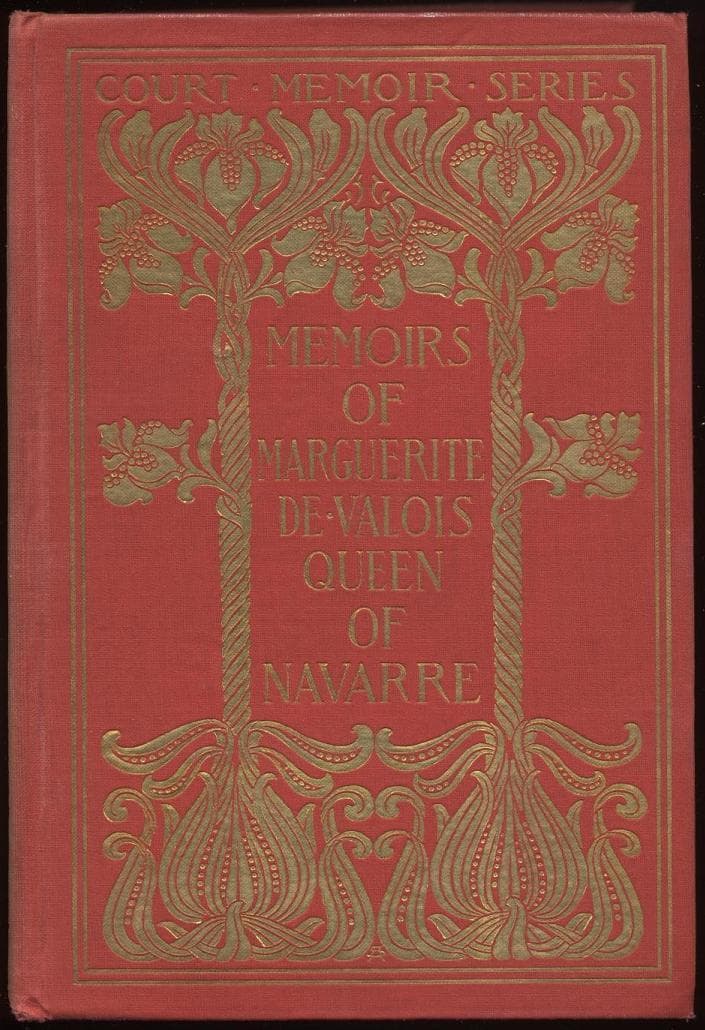
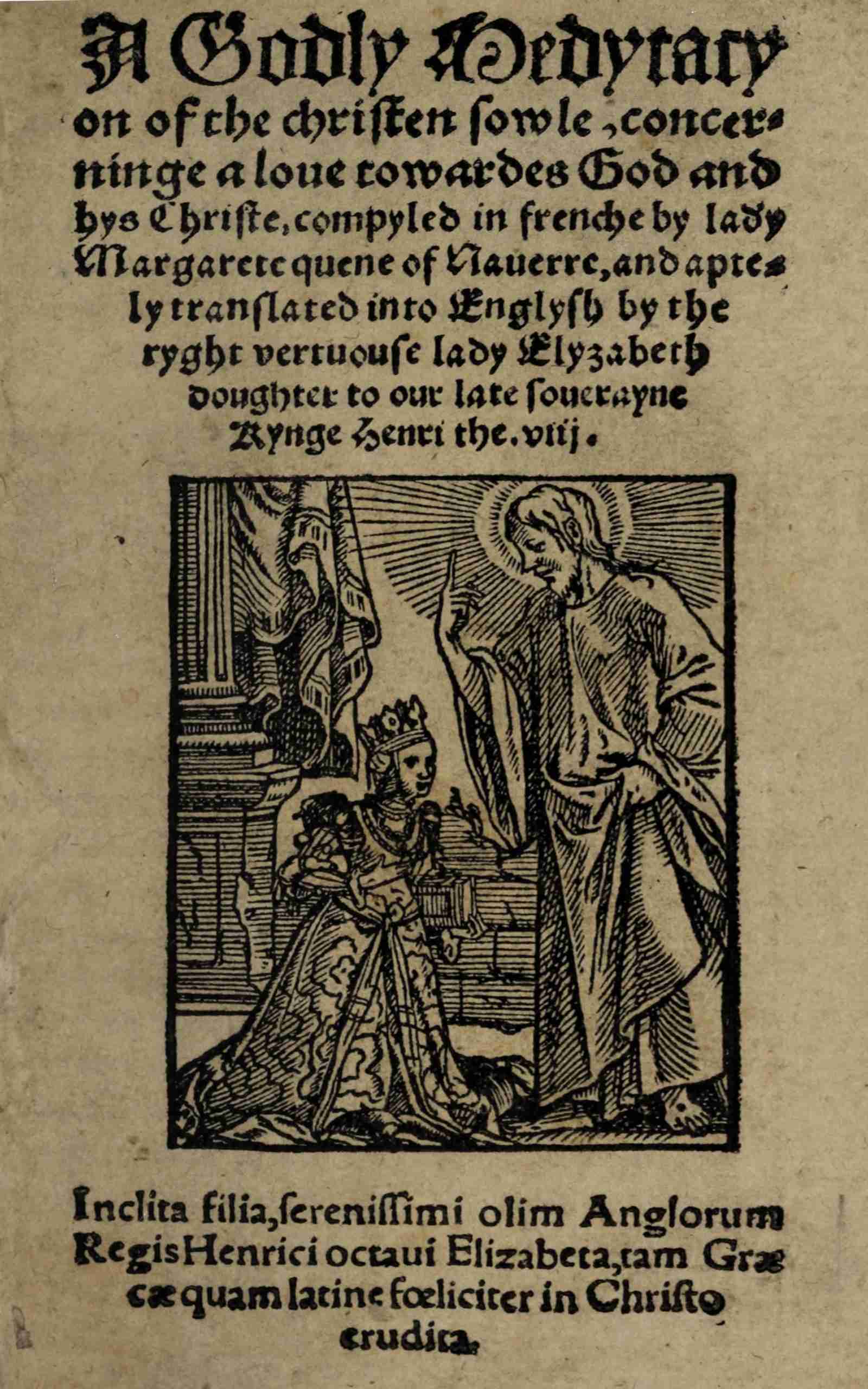
Marguerite of Navarre, a prominent figure of the French Renaissance, was a queen consort and a significant patron of the arts. Born in 1492, she was the sister of King Francis I of France and married Henry II of Navarre, which placed her at the heart of the political and cultural life of her time. Marguerite was not only a queen but also a writer whose literary contributions were notable for their depth and complexity, particularly in the realm of religious and philosophical thought. Her most famous work, 'The Heptameron,' is a collection of stories inspired by Boccaccio's 'Decameron.' This work reflects her keen insight into human nature and the moral dilemmas faced by individuals, showcasing her ability to blend narrative with profound themes of love, faith, and social critique. Marguerite's literary significance extends beyond her storytelling; she was a pioneering voice for women's intellectual engagement during a time when female authorship was rare. Her writings often challenged the societal norms of her day, advocating for a more nuanced understanding of faith and morality. As a patron of humanist scholars and a participant in the intellectual currents of her time, she played a crucial role in the cultural landscape of the Renaissance. Marguerite of Navarre's legacy endures not only through her literary works but also as a symbol of the potential for women to influence literature and thought in a male-dominated society.
Books from the author



















Link to this page
Add a free, dofollow link to Lex on your blog, forum, syllabus, or reading list.

<a href="https://lex-books.com/author/queen-consort-of-henry-ii-king-of-navarre-marguerite"><img src="https://lex-books.com/badges/read-on-lex.svg" alt="Queen, consort of Henry II, King of Navarre Marguerite on Lex" width="160" height="40"></a>[](https://lex-books.com/author/queen-consort-of-henry-ii-king-of-navarre-marguerite)[url=https://lex-books.com/author/queen-consort-of-henry-ii-king-of-navarre-marguerite][img]https://lex-books.com/badges/read-on-lex.svg[/img][/url]Queen, consort of Henry II, King of Navarre Marguerite on Lex: https://lex-books.com/author/queen-consort-of-henry-ii-king-of-navarre-marguerite