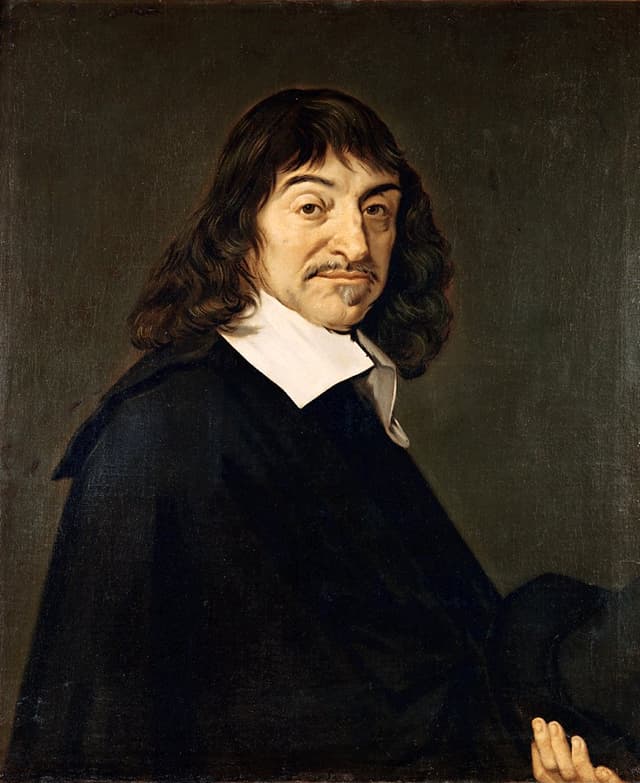
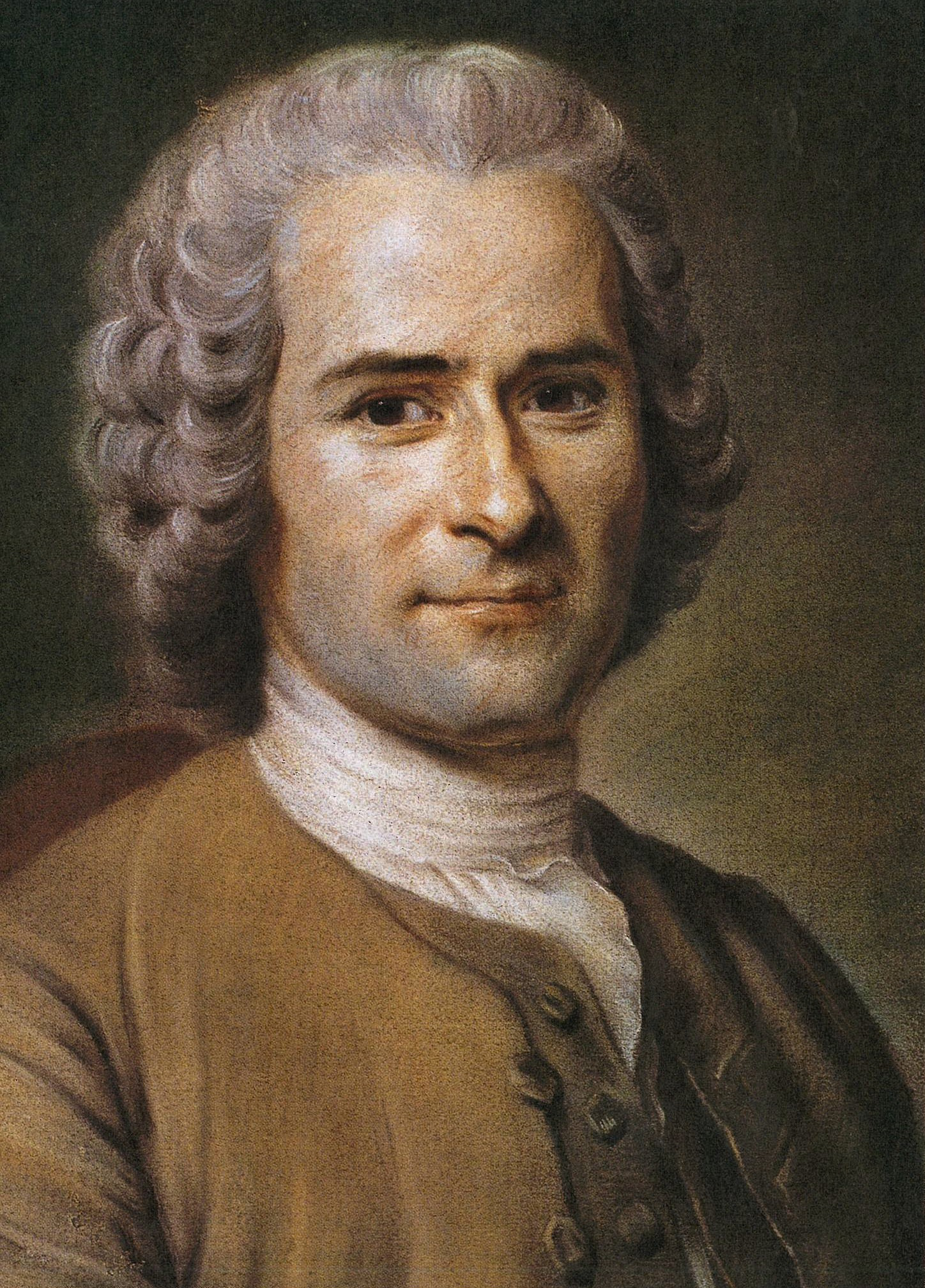
René Descartes
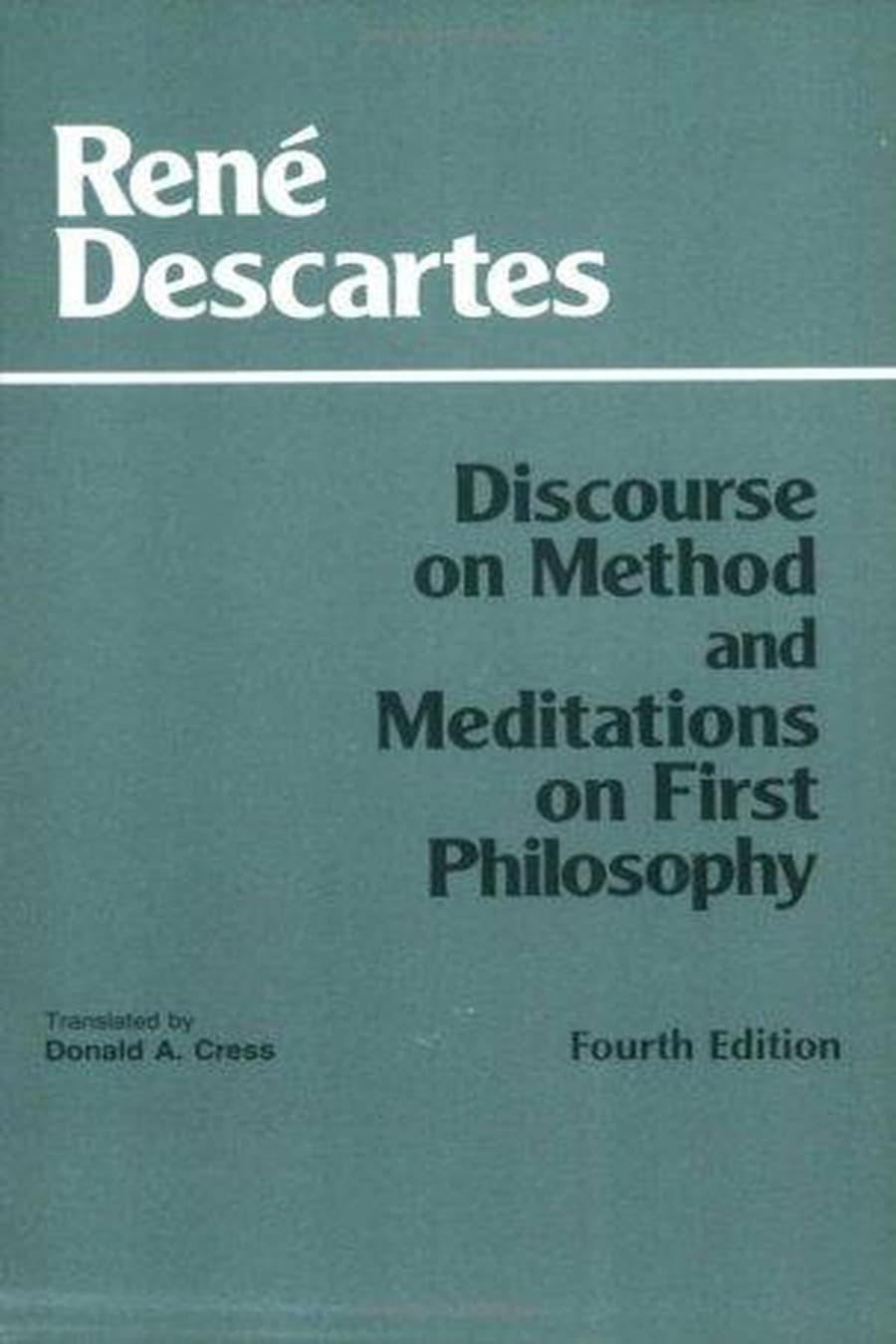
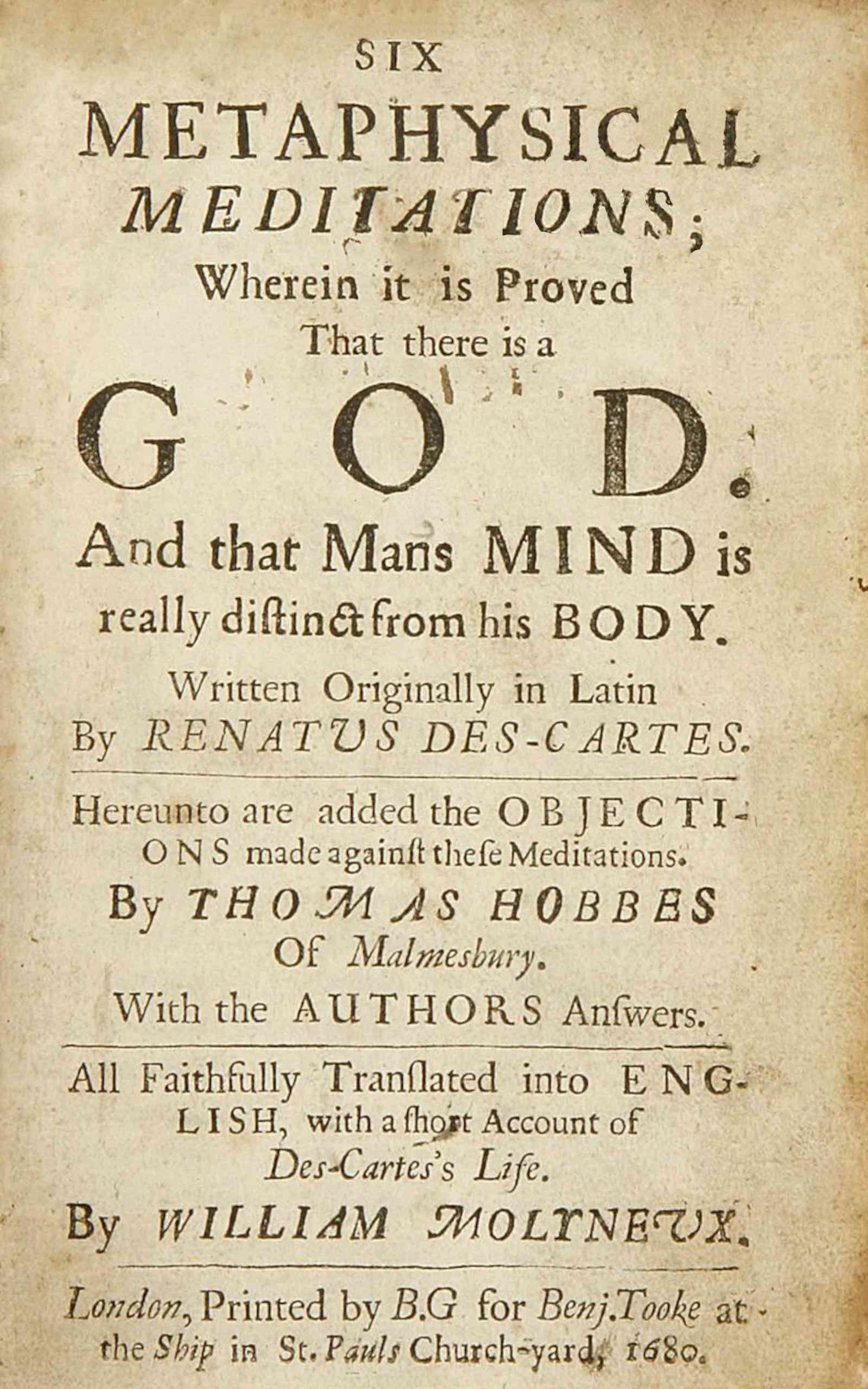
René Descartes was a French philosopher, scientist, and mathematician who played a pivotal role in the development of modern philosophy and science. Born in the late 16th century, he is best known for his philosophical statement, "Cogito, ergo sum" (I think, therefore I am), which laid the groundwork for a new approach to knowledge and existence. His work emphasized the importance of doubt and questioning as a means to attain certainty, fundamentally shifting the landscape of philosophical thought. In addition to his philosophical contributions, Descartes made significant advancements in mathematics, notably by integrating algebra and geometry into what is now known as analytic geometry. His influential works, including "Meditations on First Philosophy" and "Discourse on the Method," not only established him as a key figure in the rationalist movement but also influenced subsequent thinkers across various disciplines. Descartes' legacy endures as he is often referred to as the father of modern philosophy, whose ideas continue to shape contemporary discussions in epistemology, metaphysics, and the philosophy of science.
Famous Quotes
View all 19 quotes“The reading of all good books is like conversation with the finest men of past centuries.””
“Cogito ergo sum. ””
“If you would be a real seeker after truth, it is necessary that at least once in your life you doubt, as far as possible, all things.””
Books from the author






Link to this page
Add a free, dofollow link to Lex on your blog, forum, syllabus, or reading list.

<a href="https://lex-books.com/author/rené-descartes"><img src="https://lex-books.com/badges/read-on-lex.svg" alt="René Descartes on Lex" width="160" height="40"></a>[](https://lex-books.com/author/rené-descartes)[url=https://lex-books.com/author/rené-descartes][img]https://lex-books.com/badges/read-on-lex.svg[/img][/url]René Descartes on Lex: https://lex-books.com/author/rené-descartes