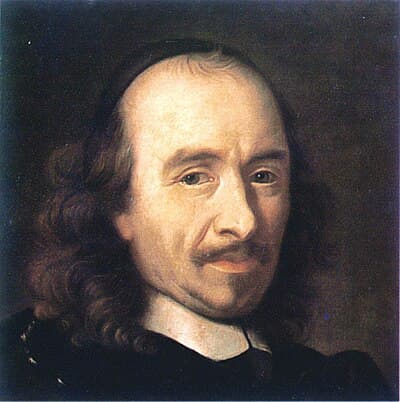
Pierre Corneille
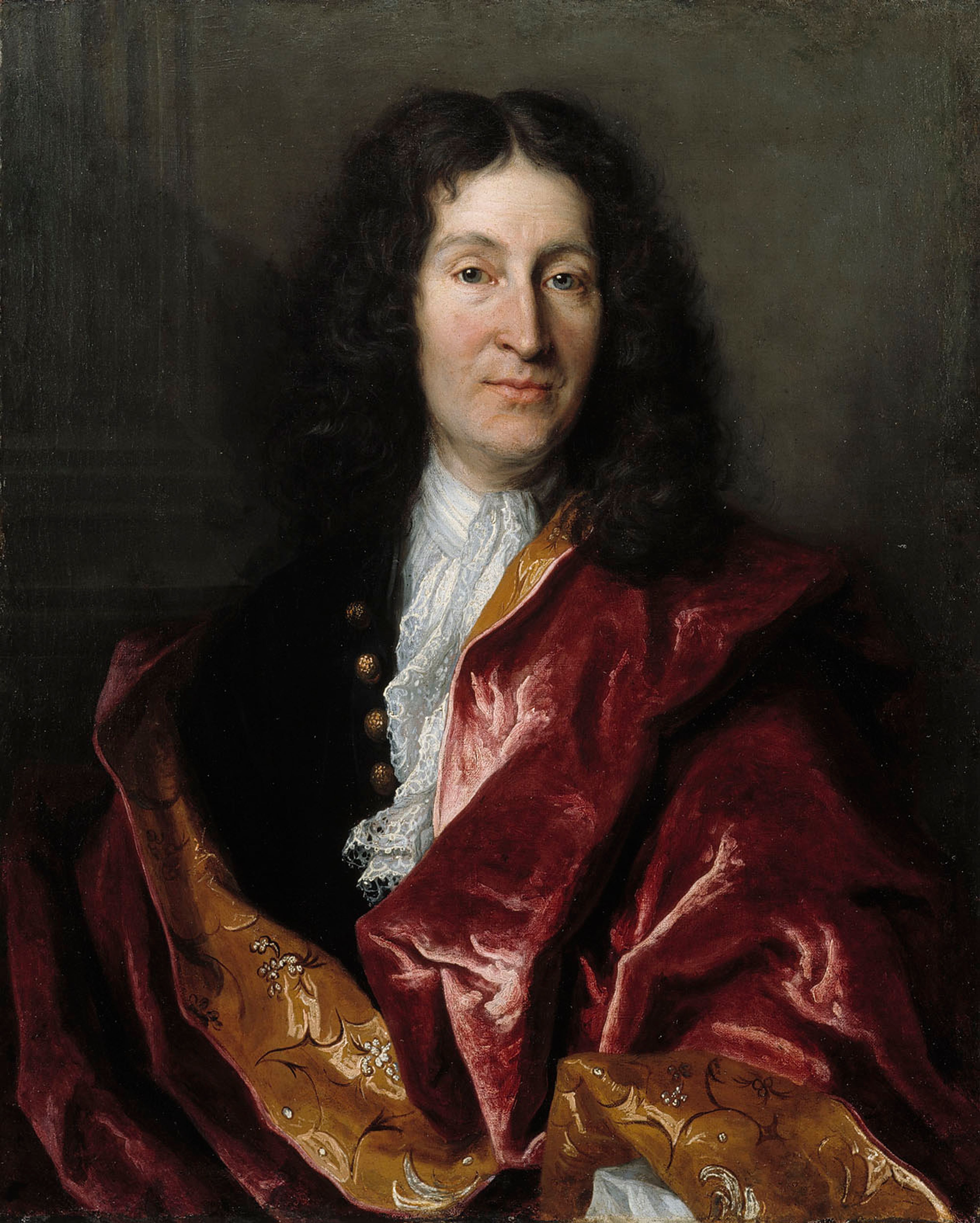
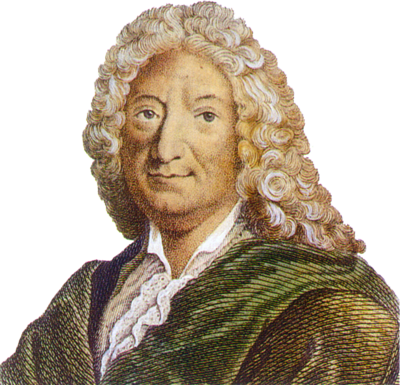
Pierre Corneille was a prominent French tragedian of the 17th century, recognized as one of the leading figures in French drama alongside Molière and Racine. Born in 1606, he initially gained the favor of Cardinal Richelieu, who sought to establish classical tragedy in France. Corneille's early work, particularly his play 'Le Cid,' garnered significant attention and acclaim. However, it also sparked controversy when the Académie française criticized it for violating the classical unities of time, place, and action, leading to a public dispute with Richelieu. Despite this setback, Corneille continued to produce influential tragedies, such as 'Horace' and 'Cinna,' which solidified his reputation as a master of dramatic structure and character development. Corneille's contributions to theater were pivotal in shaping the trajectory of French drama. His works often explored themes of honor, duty, and the complexities of human emotion, setting the stage for future playwrights. His ability to blend classical elements with a deep understanding of human psychology marked a significant evolution in the genre. Corneille's legacy endures, as he laid the groundwork for the French classical tradition and influenced generations of playwrights, making him a central figure in the history of literature.
Famous Quotes
View all 3 quotes“A liar is always lavish of oaths.”
“To win without risk is to triumph without glory.”
“I can be forced to live without happiness, but I will never consent to live without honor.”
Books from the author
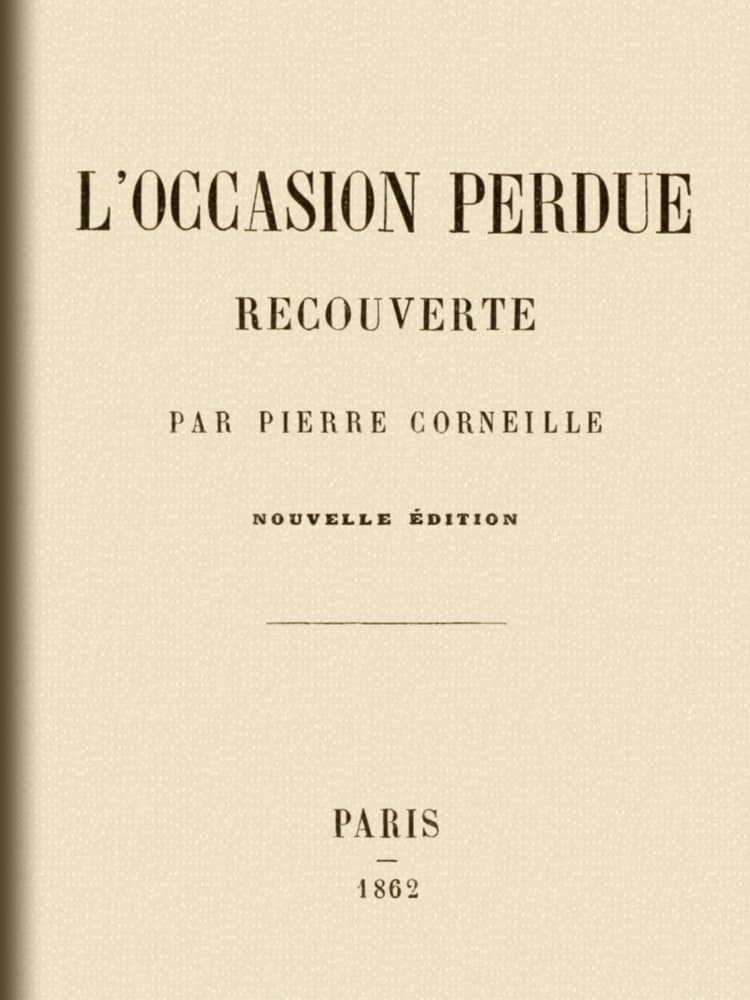
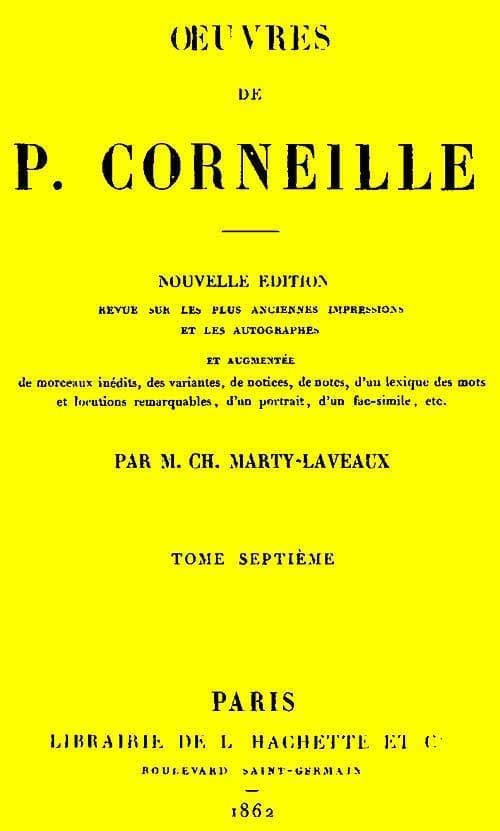


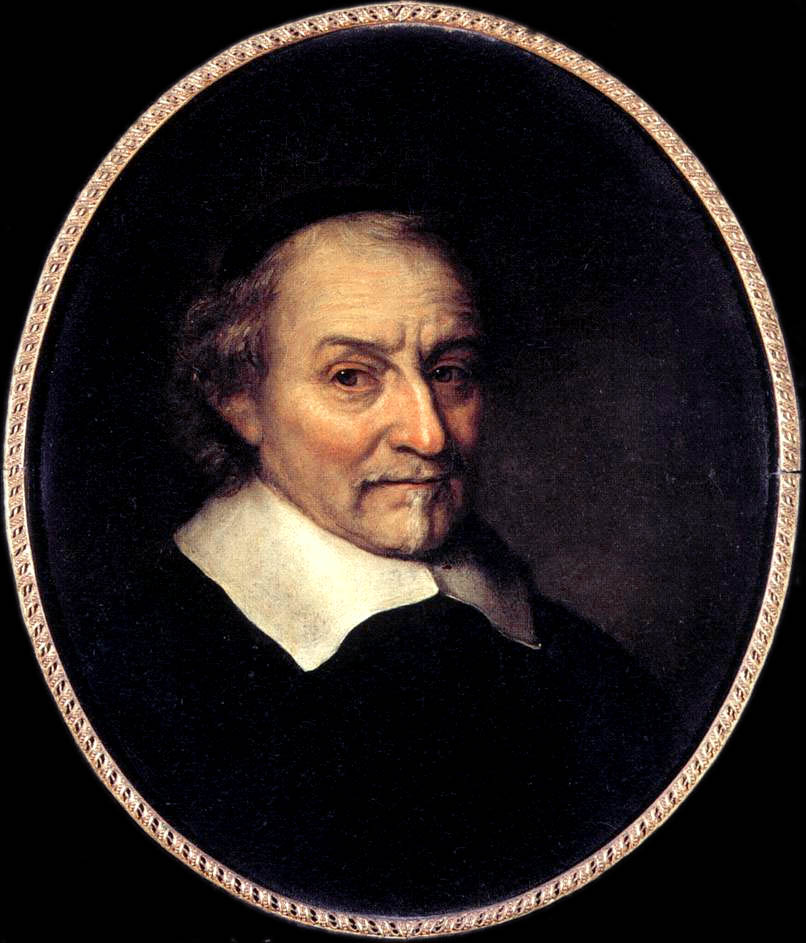
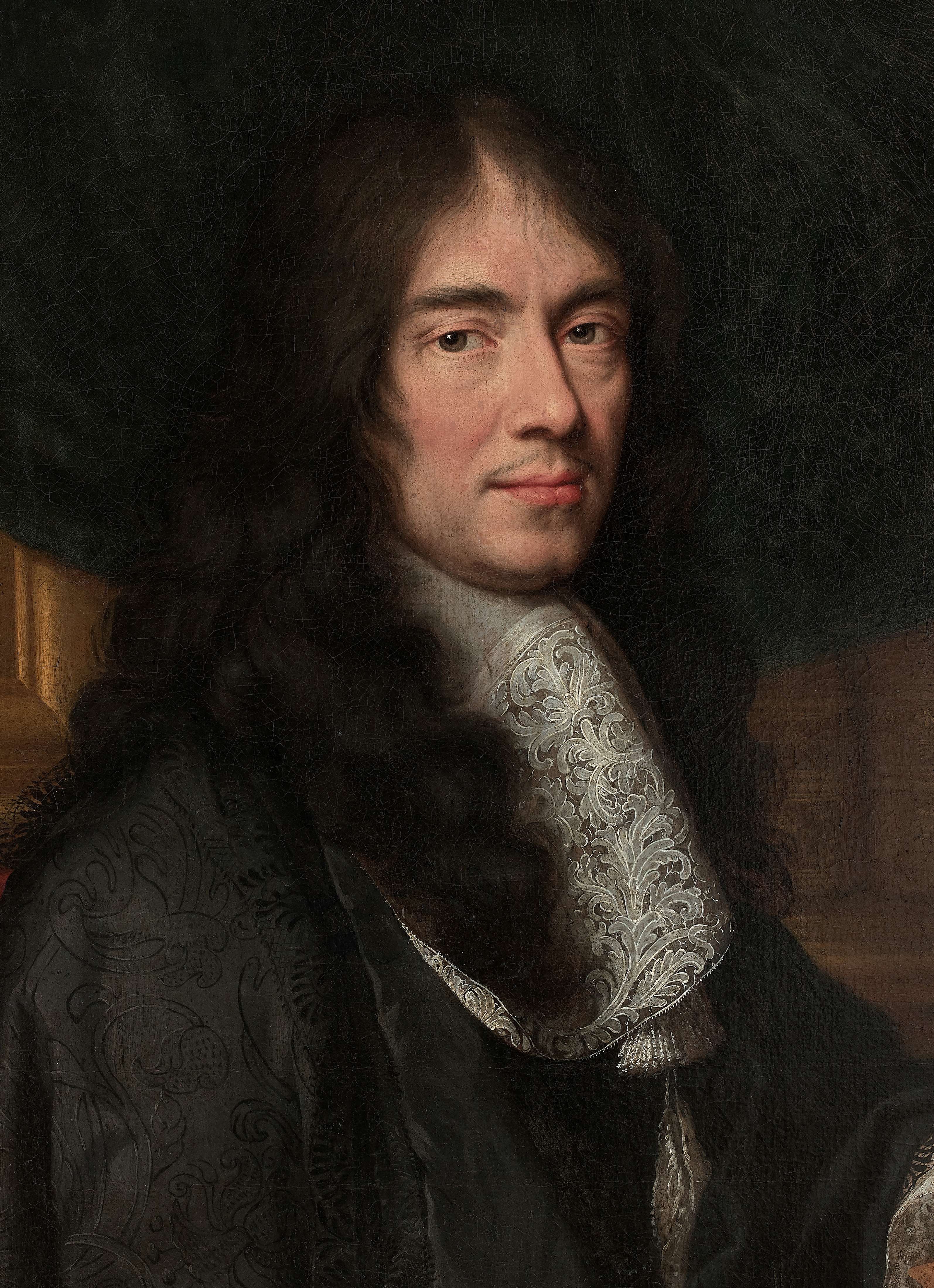

Link to this page
Add a free, dofollow link to Lex on your blog, forum, syllabus, or reading list.

<a href="https://lex-books.com/author/pierre-corneille"><img src="https://lex-books.com/badges/read-on-lex.svg" alt="Pierre Corneille on Lex" width="160" height="40"></a>[](https://lex-books.com/author/pierre-corneille)[url=https://lex-books.com/author/pierre-corneille][img]https://lex-books.com/badges/read-on-lex.svg[/img][/url]Pierre Corneille on Lex: https://lex-books.com/author/pierre-corneille