
Pedro Calderón de la Barca
Pedro Calderón de la Barca was a prominent Spanish playwright and poet of the Golden Age, known for his profound contributions to the world of Spanish literature and drama. Born in Madrid, Calderón was educated in a Jesuit school and later pursued a career in the military before fully dedicating himself to writing. His works often explored themes of honor, fate, and the human condition, reflecting the complexities of life in 17th-century Spain. Among his most famous plays are 'La vida es sueño' (Life is a Dream), which delves into the nature of reality and illusion, and 'El gran teatro del mundo' (The Great Theatre of the World), a philosophical allegory that examines the roles individuals play in the grand scheme of existence. Calderón's influence extended beyond his lifetime, as he is credited with elevating the Spanish comedia to new heights, blending elements of tragedy and comedy. His mastery of verse and intricate character development set a standard for future playwrights. Calderón's works often grappled with existential questions, making them relevant across generations. His legacy endures not only in the realm of literature but also in the broader cultural landscape, as his plays continue to be performed and studied, showcasing the depth and richness of the Spanish theatrical tradition.
Famous Quotes
View all 20 quotes“In this treacherous worldNothing is the truth nor a lie.Everything depends on the colorOf the crystal through which one sees it””
“¿Qué es la vida? Una ilusión,una sombra, una ficción,y el mayor bien es pequeño:que toda la vida es sueño,y los sueños, sueños son.””
“What is this life? A frenzy, an illusion,A shadow, a delirium, a fiction.The greatest good's but little, and this lifeIs but a dream, and dreams are only dreams.””
Books from the author
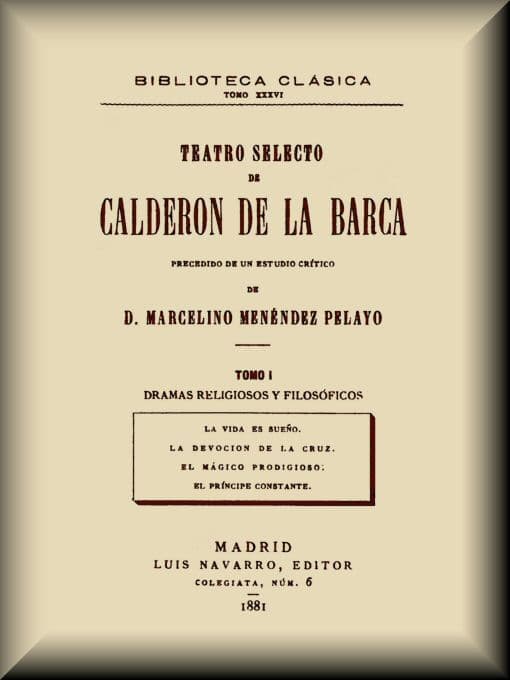
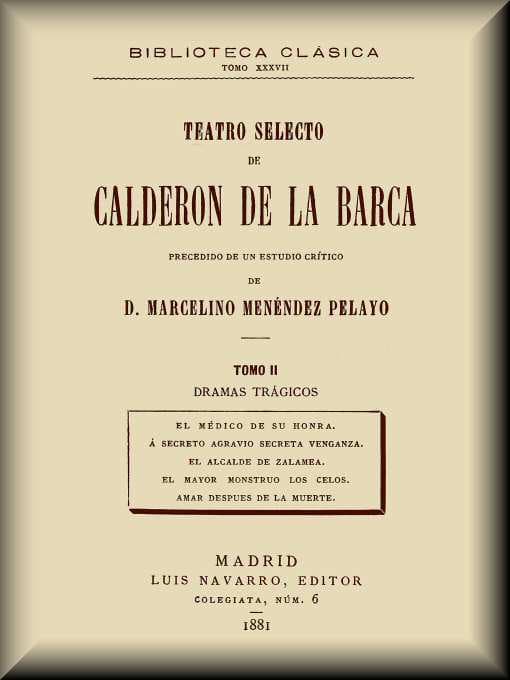

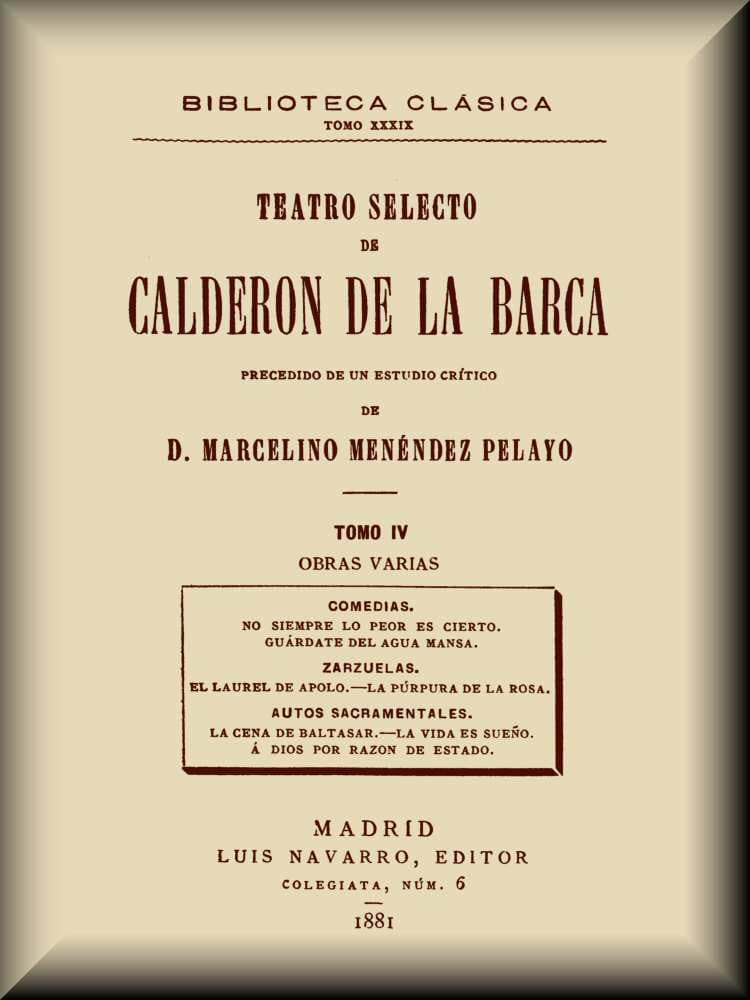
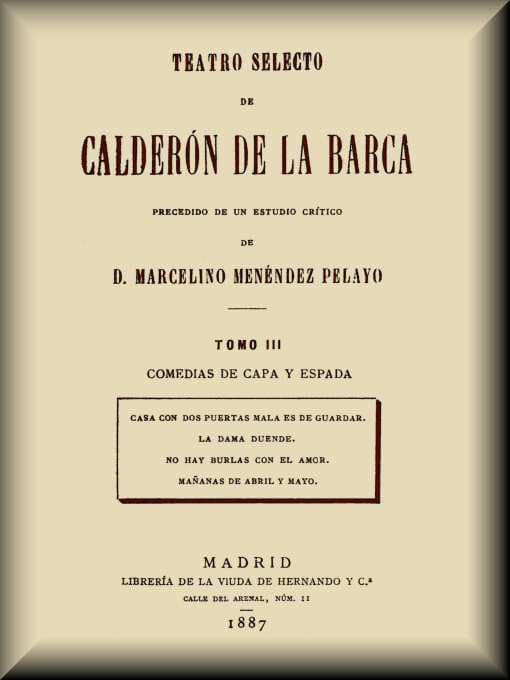







Link to this page
Add a free, dofollow link to Lex on your blog, forum, syllabus, or reading list.

<a href="https://lex-books.com/author/pedro-calderón-de-la-barca"><img src="https://lex-books.com/badges/read-on-lex.svg" alt="Pedro Calderón de la Barca on Lex" width="160" height="40"></a>[](https://lex-books.com/author/pedro-calderón-de-la-barca)[url=https://lex-books.com/author/pedro-calderón-de-la-barca][img]https://lex-books.com/badges/read-on-lex.svg[/img][/url]Pedro Calderón de la Barca on Lex: https://lex-books.com/author/pedro-calderón-de-la-barca