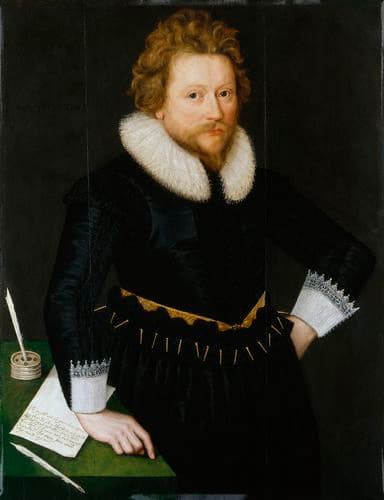
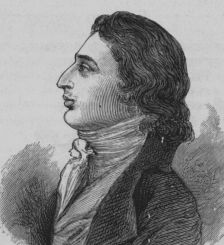
John Fletcher
John Fletcher was a prominent English playwright and poet of the early 17th century, known for his collaboration with Francis Beaumont and his significant contributions to the Jacobean theatre. Born in 1579, Fletcher was educated at Cambridge University, where he developed his literary talents. He began his career writing plays that often explored themes of love, morality, and the complexities of human relationships. His works, characterized by their intricate plots and rich characterizations, played a crucial role in shaping the dramatic landscape of his time. Fletcher's most notable works include 'The Woman's Prize, or The Tamer Tamed,' a sequel to Shakespeare's 'The Taming of the Shrew,' and 'Philaster,' which showcases his skill in blending tragedy and comedy. His collaboration with Beaumont produced several successful plays, including 'The Maid's Tragedy' and 'The Knight of the Burning Pestle,' which are celebrated for their innovative narrative structures and exploration of social issues. Fletcher's influence extended beyond his lifetime, as his plays were performed widely and adapted by later playwrights, cementing his legacy as a key figure in the evolution of English drama during the Renaissance period.
Famous Quotes
View all 3 quotes“Great Actions speak Great Minds.”
“Deeds, not words shall speak me.”
“Our acts our Angels are, for good or ill, our fatal shadows that walk by us still.”
Books from the author


Link to this page
Add a free, dofollow link to Lex on your blog, forum, syllabus, or reading list.

<a href="https://lex-books.com/author/john-fletcher"><img src="https://lex-books.com/badges/read-on-lex.svg" alt="John Fletcher on Lex" width="160" height="40"></a>[](https://lex-books.com/author/john-fletcher)[url=https://lex-books.com/author/john-fletcher][img]https://lex-books.com/badges/read-on-lex.svg[/img][/url]John Fletcher on Lex: https://lex-books.com/author/john-fletcher