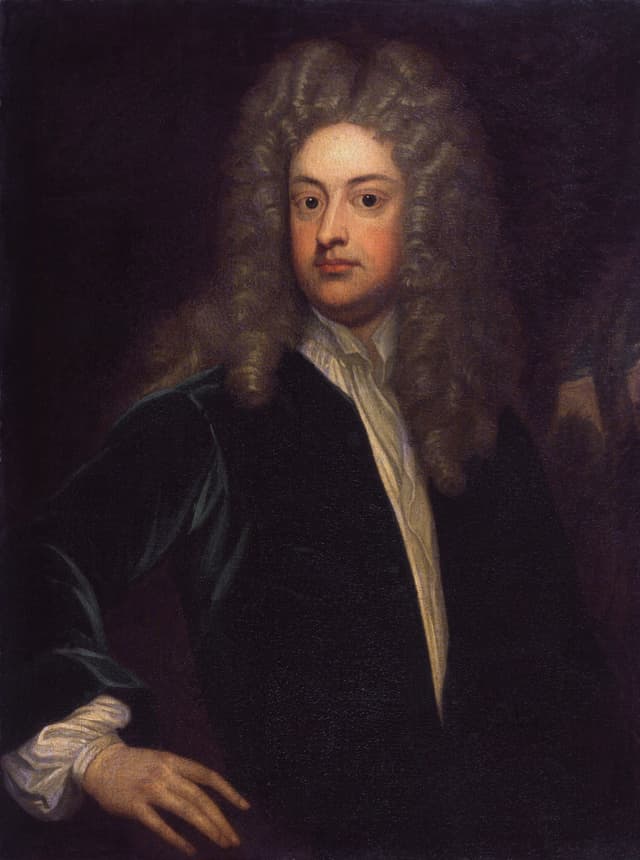
Joseph Addison
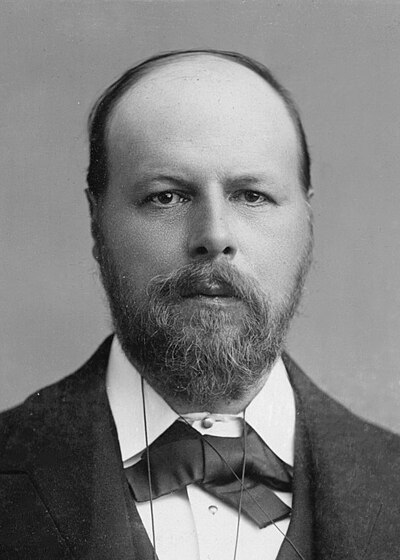
Joseph Addison was a prominent British writer and politician, best known for his collaboration with Richard Steele in founding the influential periodical The Spectator. Born into a scholarly family, Addison's education at the University of Oxford laid the groundwork for his literary career. He emerged as a significant figure in the early 18th century, advocating for a more accessible and straightforward prose style that moved away from the ornate language of the previous century. His essays often explored themes of virtue, social conduct, and the importance of reason, reflecting the emerging Enlightenment ideals of his time. Addison's major works include the play Cato, which became a symbol of republicanism and was celebrated for its political themes, as well as numerous essays in The Spectator that shaped public discourse on morality and aesthetics. His writing not only entertained but also educated the public, influencing the development of the essay as a literary form. Addison's legacy endures through his contributions to English literature and journalism, as he helped to establish a new standard for clarity and moral purpose in writing, paving the way for future generations of writers and thinkers.
Famous Quotes
View all 19 quotes“Reading is to the mind what exercise is to the body.””
“What sunshine is to flowers, smiles are to humanity. These are but trifles, to be sure; but scattered along life's pathway, the good they do is inconceivable.””
“Certain is it that there is no kind of affection so purely angelic as of a father to a daughter. In love to our wives there is desire; to our sons, ambition, but to our daughters there is something which there are no words to express.””
Books from the author
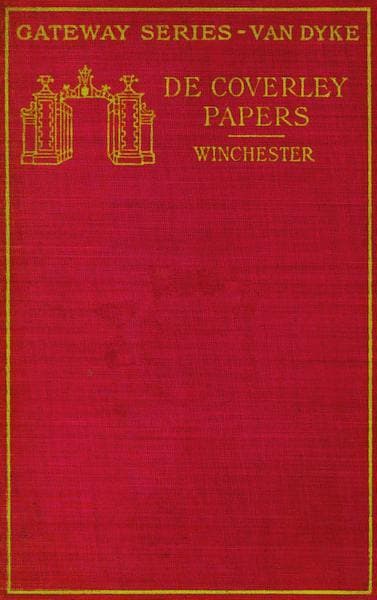



Link to this page
Add a free, dofollow link to Lex on your blog, forum, syllabus, or reading list.

<a href="https://lex-books.com/author/joseph-addison"><img src="https://lex-books.com/badges/read-on-lex.svg" alt="Joseph Addison on Lex" width="160" height="40"></a>[](https://lex-books.com/author/joseph-addison)[url=https://lex-books.com/author/joseph-addison][img]https://lex-books.com/badges/read-on-lex.svg[/img][/url]Joseph Addison on Lex: https://lex-books.com/author/joseph-addison