The Analects of Confucius (from the Chinese Classics)
The Analects of Confucius (from the Chinese Classics)
Translated by James Legge
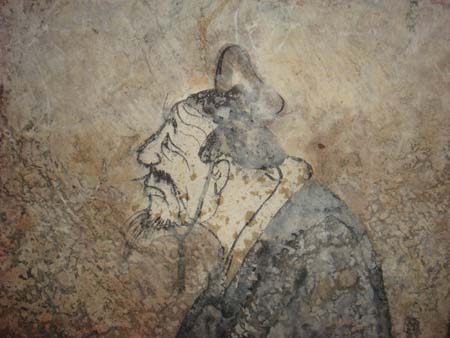
The most influential book you've never actually read. The Analects is a collection of pithy, provocative sayings from the ancient Chinese teacher Kong Qiu (Confucius), assembled by his disciples shortly after his death in 497 BC. These brief exchanges between master and student contain a complete philosophy of life: how to cultivate virtue, how to govern justly, how to nurture relationships, and how to live with integrity. Confucius believed the pursuit of benevolence should be life's highest aim, not for reward, but because it transforms the soul. The text moves from intimate conversations about filial piety to sharp critiques of corrupt rulers, from meditations on learning to observations on human nature that feel startlingly modern. Its power lies in what remains unsaid; each aphorism opens onto depths that reward a lifetime of contemplation. For readers seeking wisdom that endures beyond fashion and ideology, these twenty books have guided billions for twenty-five centuries.
Editions
X-Ray
“The man who moves a mountain begins by carrying away small stones.””
— Confucius
“Respect yourself and others will respect you.””
— Confucius
“Hold faithfulness and sincerity as first principles.””
— Confucius
“To be wealthy and honored in an unjust society is a disgrace.””
— Confucius
“Never give a sword to a man who can't dance.””
— Confucius
“The noble-minded are calm and steady. Little people are forever fussing and fretting.””
— Confucius
“When the wind blows,the grass bends.””
— Confucius
“He Who Knows And Knows That He Knows Is A Wise Man - Follow Him;He Who Knows Not And Knows Not That He Knows Not Is A Fool - Shun Him””
— Confucius
“Fix your mind on truth, hold firm to virtue, rely on loving kindness, and find your recreation in the Arts.””
— Confucius
About The Analects of Confucius (from the Chinese Classics)
Chapter Summaries
- 1
- Confucius discusses the pleasures of learning, having friends, and remaining unperturbed by others' lack of recognition. Disciples Yu and Tsang emphasize filial piety, fraternal submission, and daily self-examination as roots of virtue.
- 2
- Confucius compares virtuous government to the North Star and stresses leading people by virtue and propriety over laws and punishments. He recounts his life's stages of learning and wisdom, and various disciples ask about filial piety.
- 3
- Confucius criticizes the Chi family for usurping imperial rites and emphasizes that rites and music are meaningless without humanity. He discusses the importance of deep sorrow in mourning and the essence of ceremonies.
Key Themes
- Virtue (Ren)
- Ren, often translated as benevolence or perfect virtue, is the paramount theme. It encompasses love for humanity, self-control, and acting in accordance with propriety, forming the foundation for a moral individual and a harmonious society.
- Propriety (Li)
- Li refers to the rules of conduct, ceremonies, and social norms that guide human interaction and express inner virtue. It is essential for establishing character, maintaining social order, and distinguishing the superior man from the mean man.
- Filial Piety
- This theme emphasizes respect, obedience, and care for one's parents and elders, both in life and after death. Confucius views it as the root of all benevolent actions and a fundamental aspect of self-cultivation and social harmony.
Characters
- Confucius (The Master)(protagonist)
- The central figure, a revered teacher and philosopher whose sayings and interactions with his disciples form the core of the Analects.
Link to this book
Add a free, dofollow link to Lex on your blog, forum, syllabus, or reading list.

<a href="https://lex-books.com/book/the-analects-of-confucius-from-the-chinese-classics-4c872029-e1ad-4087-91a0-c00f65ff048d"><img src="https://lex-books.com/badges/read-on-lex.svg" alt="Read The Analects of Confucius (from the Chinese Classics) by Confucius free on Lex" width="160" height="40"></a>[](https://lex-books.com/book/the-analects-of-confucius-from-the-chinese-classics-4c872029-e1ad-4087-91a0-c00f65ff048d)[url=https://lex-books.com/book/the-analects-of-confucius-from-the-chinese-classics-4c872029-e1ad-4087-91a0-c00f65ff048d][img]https://lex-books.com/badges/read-on-lex.svg[/img][/url]Read The Analects of Confucius (from the Chinese Classics) by Confucius free on Lex: https://lex-books.com/book/the-analects-of-confucius-from-the-chinese-classics-4c872029-e1ad-4087-91a0-c00f65ff048dCite this book
Reading this edition for a paper or guide? Copy a citation.
Confucius. The Analects of Confucius (from the Chinese Classics). Lex, lex-books.com/book/the-analects-of-confucius-from-the-chinese-classics-4c872029-e1ad-4087-91a0-c00f65ff048d.Confucius (n.d.). The Analects of Confucius (from the Chinese Classics). Lex. https://lex-books.com/book/the-analects-of-confucius-from-the-chinese-classics-4c872029-e1ad-4087-91a0-c00f65ff048dConfucius. The Analects of Confucius (from the Chinese Classics). Lex. https://lex-books.com/book/the-analects-of-confucius-from-the-chinese-classics-4c872029-e1ad-4087-91a0-c00f65ff048d.