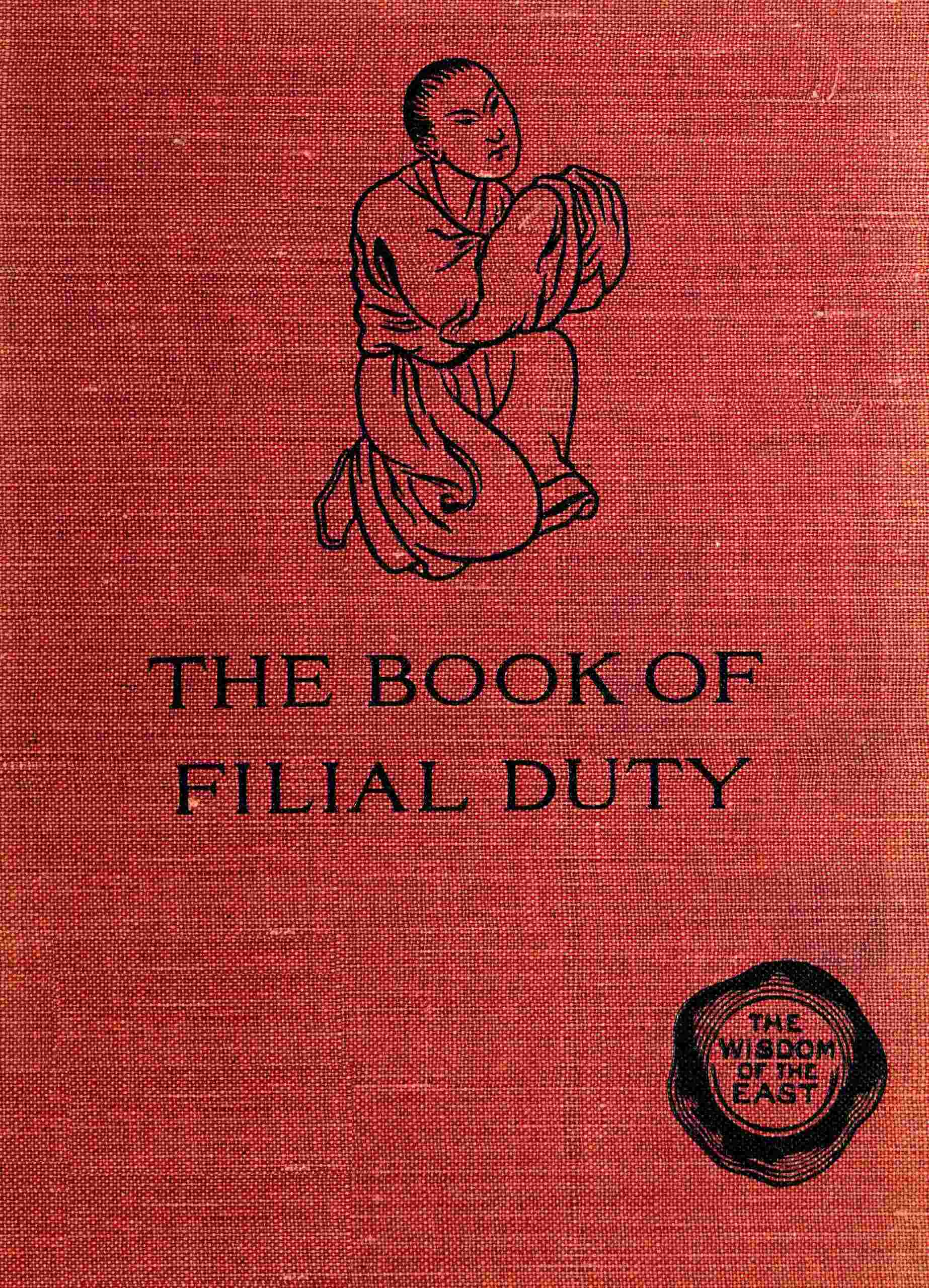
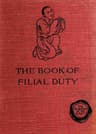
The Book of Filial Duty
1908
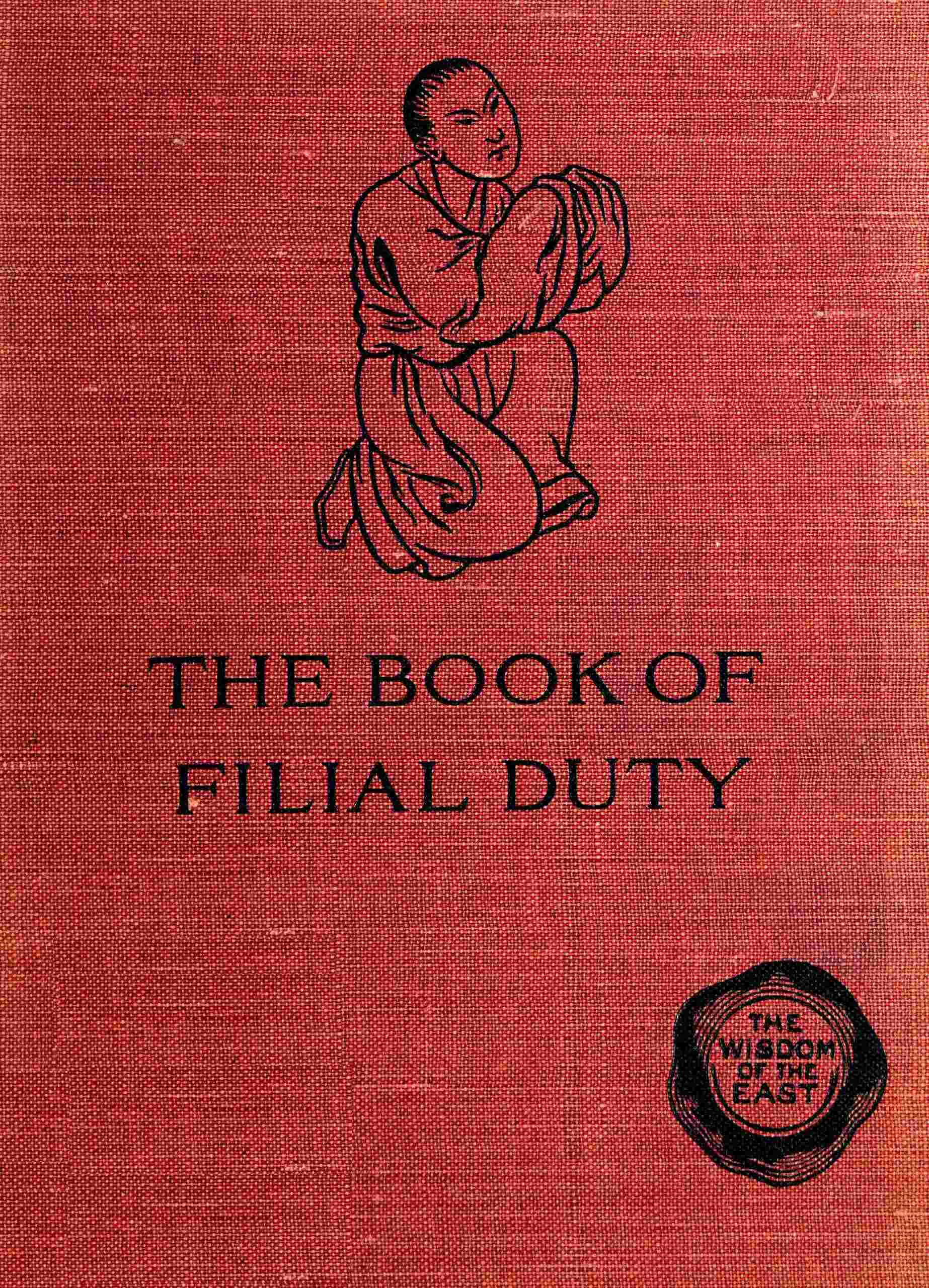
The Book of Filial Duty, attributed to Confucius and Zengzi, is a classical treatise on moral philosophy focused on filial piety, compiled during the late Zhou dynasty. It emphasizes the importance of respect, obedience, and care for one's parents as foundational virtues for personal development and societal harmony. The text includes philosophical dialogues and 'The Twenty-four Examples of Filial Duty,' which narrate historical acts of devotion and sacrifice. First published in 1908, this work remains a significant cultural artifact, reflecting ancient Chinese values and their impact on family and governance.
Editions
Link to this book
Add a free, dofollow link to Lex on your blog, forum, syllabus, or reading list.

<a href="https://lex-books.com/book/the-book-of-filial-duty-b1c69059-6f18-4f6f-8e71-537a80a631e8"><img src="https://lex-books.com/badges/read-on-lex.svg" alt="Read The Book of Filial Duty by Confucius free on Lex" width="160" height="40"></a>[](https://lex-books.com/book/the-book-of-filial-duty-b1c69059-6f18-4f6f-8e71-537a80a631e8)[url=https://lex-books.com/book/the-book-of-filial-duty-b1c69059-6f18-4f6f-8e71-537a80a631e8][img]https://lex-books.com/badges/read-on-lex.svg[/img][/url]Read The Book of Filial Duty by Confucius free on Lex: https://lex-books.com/book/the-book-of-filial-duty-b1c69059-6f18-4f6f-8e71-537a80a631e8Cite this book
Reading this edition for a paper or guide? Copy a citation.
Confucius. The Book of Filial Duty. Lex, lex-books.com/book/the-book-of-filial-duty-b1c69059-6f18-4f6f-8e71-537a80a631e8.Confucius (1908). The Book of Filial Duty. Lex. https://lex-books.com/book/the-book-of-filial-duty-b1c69059-6f18-4f6f-8e71-537a80a631e8Confucius. The Book of Filial Duty. Lex. https://lex-books.com/book/the-book-of-filial-duty-b1c69059-6f18-4f6f-8e71-537a80a631e8.