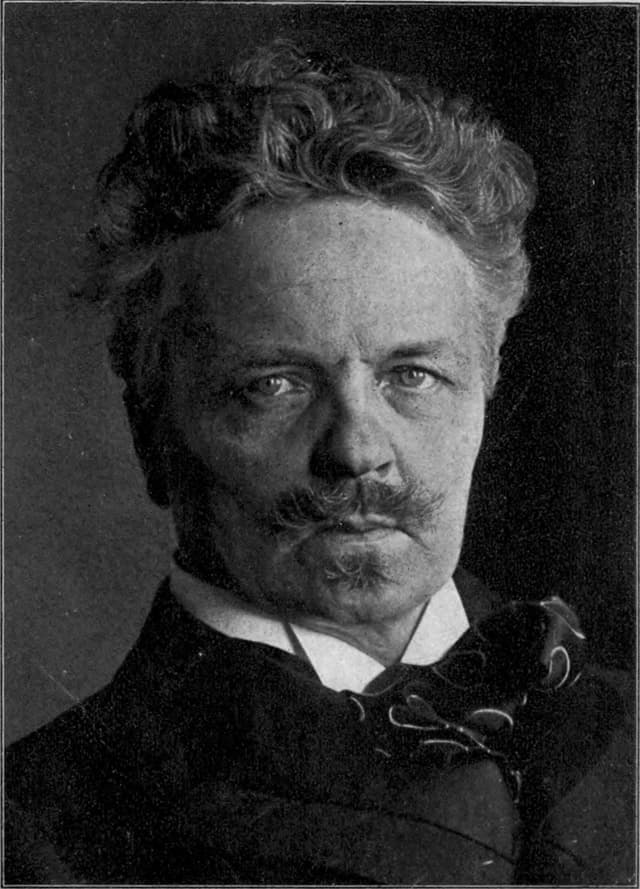
August Strindberg
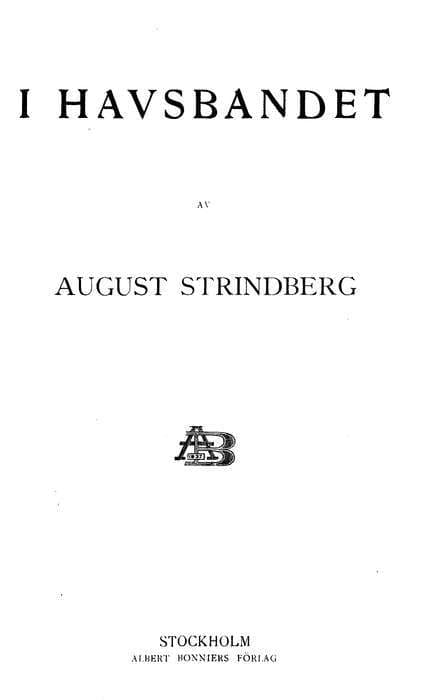
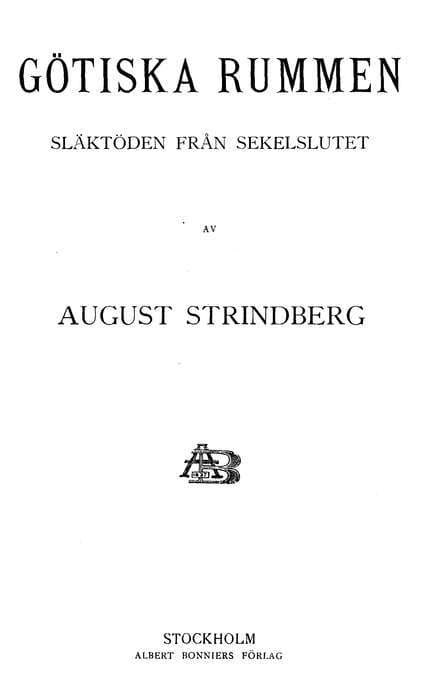
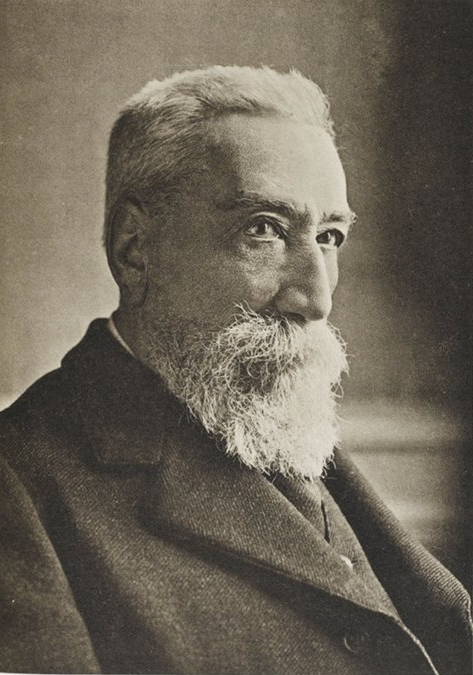
August Strindberg was a Swedish playwright, novelist, poet, essayist, and painter, whose prolific output and innovative techniques established him as a pivotal figure in modern literature. Over his four-decade career, he produced more than 60 plays and 30 works of fiction, autobiography, and cultural analysis. Strindberg's early work, particularly 'The Red Room' (1879), is often cited as the first modern Swedish novel, while his plays such as 'Miss Julie' (1888) and 'The Father' (1887) revolutionized the theatrical landscape by emphasizing character over plot and exploring the complexities of human psychology. His approach to naturalism, inspired by Émile Zola, marked a departure from traditional dramatic structures, paving the way for future movements like expressionism and surrealism. Strindberg's career was marked by bold experimentation and personal turmoil, including a period of mental health struggles known as the 'Inferno crisis.' This experience influenced his later works, such as 'A Dream Play' (1902) and 'To Damascus' (1898), which sought to capture the workings of the unconscious mind through unconventional narrative techniques. Despite facing rejection early on, Strindberg's contributions to theatre and literature earned him the title of the 'father' of modern Swedish literature. His legacy endures not only in Sweden, where he is celebrated as a multifaceted artist, but also internationally, where he is primarily recognized for his groundbreaking plays that challenged societal norms and explored the depths of human experience.
Famous Quotes
View all 20 quotes“Life is not so idiotically mathematical that only the big eat the small; it is just as common for a bee to kill a lion or at least to drive it mad.””
“There are poisons that blind you, and poisons that open your eyes.””
“It's wonderful how, the moment you talk about God and love, your voice becomes hard, and your eyes fill with hatred. No, Margret, you certainly haven't the true faith.””
Books from the author


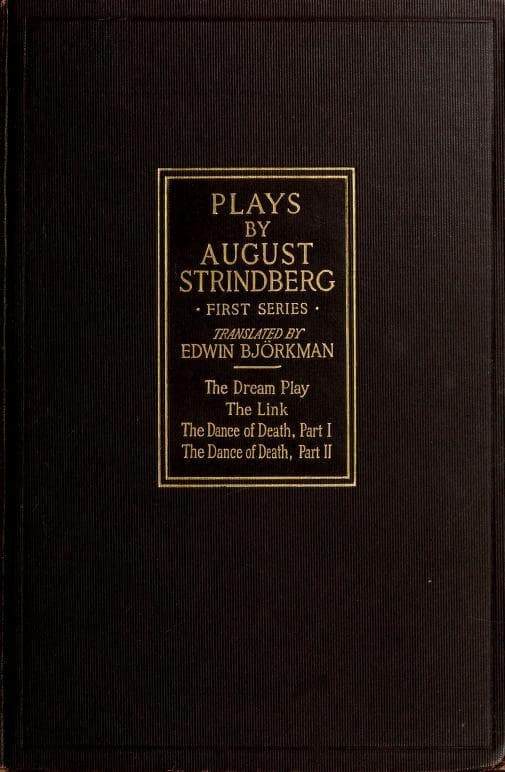
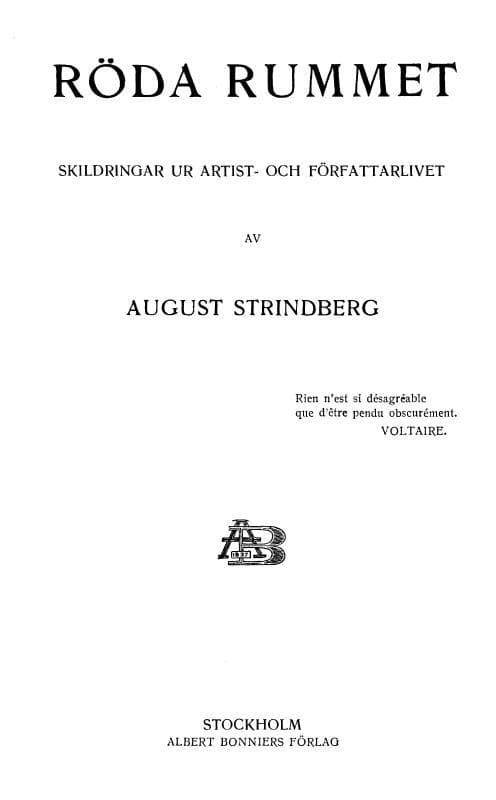







Link to this page
Add a free, dofollow link to Lex on your blog, forum, syllabus, or reading list.

<a href="https://lex-books.com/author/august-strindberg"><img src="https://lex-books.com/badges/read-on-lex.svg" alt="August Strindberg on Lex" width="160" height="40"></a>[](https://lex-books.com/author/august-strindberg)[url=https://lex-books.com/author/august-strindberg][img]https://lex-books.com/badges/read-on-lex.svg[/img][/url]August Strindberg on Lex: https://lex-books.com/author/august-strindberg