
T. S. Arthur
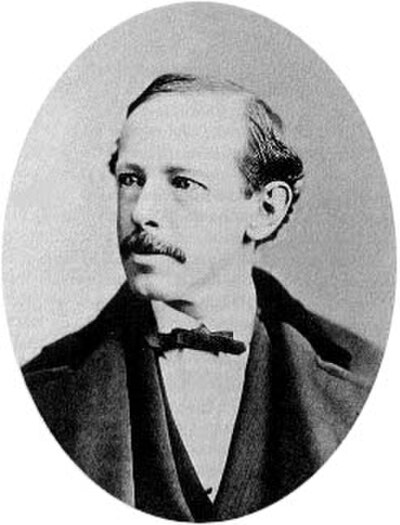
T. S. Arthur was an American author and social reformer known for his influential writings in the 19th century. Born in Pennsylvania, he became a prominent figure in the temperance movement, using his literary talents to address the social issues of his time, particularly the dangers of alcohol consumption. His most famous work, 'Ten Nights in a Bar Room,' vividly illustrated the destructive effects of drinking and served as a powerful critique of the tavern culture prevalent in America. This novel, along with others like 'Grappling with the Monster,' positioned Arthur as a leading voice in the fight against alcoholism, making significant contributions to the temperance literature genre. In addition to his works on temperance, Arthur wrote numerous short stories and novels that explored themes of morality, domestic life, and the struggles of everyday people. Titles such as 'Cast Adrift' and 'Trials and Confessions of a Housekeeper' reflect his interest in the lives of women and the challenges they faced in a rapidly changing society. His writing often combined moral lessons with engaging narratives, making his works accessible to a broad audience. Arthur's legacy lies in his ability to blend entertainment with social commentary, influencing both literature and public opinion during a crucial period in American history.
Books from the author













Link to this page
Add a free, dofollow link to Lex on your blog, forum, syllabus, or reading list.

<a href="https://lex-books.com/author/t-s-arthur"><img src="https://lex-books.com/badges/read-on-lex.svg" alt="T. S. Arthur on Lex" width="160" height="40"></a>[](https://lex-books.com/author/t-s-arthur)[url=https://lex-books.com/author/t-s-arthur][img]https://lex-books.com/badges/read-on-lex.svg[/img][/url]T. S. Arthur on Lex: https://lex-books.com/author/t-s-arthur