The Road to Damascus, a Trilogy
1939
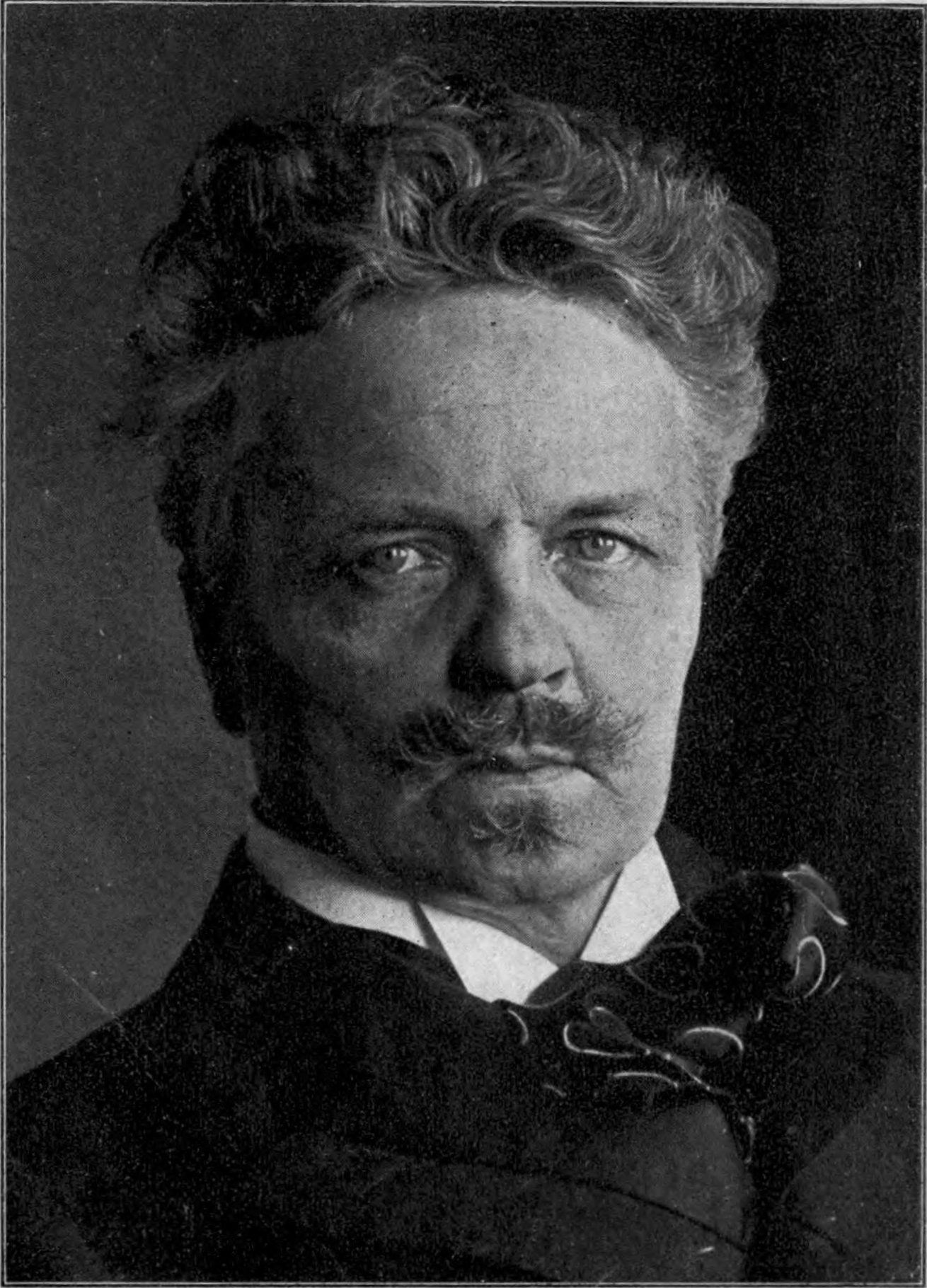
The Road to Damascus is August Strindberg's most confessional work, a trilogy that cracks open the skull of a brilliant, tormented mind. The Stranger stands on a street corner at dusk, haunted by a funeral march drifting from somewhere unseen, and confronts a mysterious Lady who may be his salvation or his madness made flesh. Through their electric, twisting dialogue, Strindberg excavates his own abandoned family, his spiraling faith, his desperate hunger for meaning amid existential void. This is not a comfortable spiritual journey. It is a man tearing himself apart on stage, oscillating between despair and fragile connection, questioning whether God exists, whether love is real, whether he has destroyed his own life through pride. The Lady offers something like comfort, but her very presence raises the darkest question: is she real, or is she the voice in his fracturing mind? Strindberg wrote this as a man who had survived the Inferno of his own psyche, and the result pulses with raw, unsettling power. For readers who want literature that does not gentle its wounds.
Editions
X-Ray
“The further from one another, the nearer one can be.””
— August Strindberg
“Those who won't accept evil never get anything good.””
— August Strindberg
“For the whole of life consists of nothing but contradictions. The rich are the poor in spirit; the many little men hold the power, and the great only serve the little men. I've never met such proud people as the humble; I've never met an uneducated man who didn't believe himself in a position to criticise learning and to do without it.””
— August Strindberg
“MOTHER. Is he mad, or a rascal?LADY. He's neither. He's no ordinary man; and it's a pity I can tell him nothing he doesn't know already. That's why we don't speak much; but he's glad to have me near him; and so am I to be near him.””
— August Strindberg
“tell me this: how was it you came to love me? LADY. I don't know; but I'll try to remember. (Pause.) Well, you had the masculine courage to be rude to a lady. In me you sought the companionship of a human being and not merely of a woman. That honoured me; and, I thought, you too.””
— August Strindberg
“is this carnival, or ... reality?””
— August Strindberg
“THE MOTHER: You don’t ask much of life, do you?THE LADY: Why should I? You don’t get what you ask for anyway.””
— August Strindberg
Link to this book
Add a free, dofollow link to Lex on your blog, forum, syllabus, or reading list.

<a href="https://lex-books.com/book/the-road-to-damascus-a-trilogy-0d75a3d4-d672-4dca-8386-61cec4483f18"><img src="https://lex-books.com/badges/read-on-lex.svg" alt="Read The Road to Damascus, a Trilogy by August Strindberg free on Lex" width="160" height="40"></a>[](https://lex-books.com/book/the-road-to-damascus-a-trilogy-0d75a3d4-d672-4dca-8386-61cec4483f18)[url=https://lex-books.com/book/the-road-to-damascus-a-trilogy-0d75a3d4-d672-4dca-8386-61cec4483f18][img]https://lex-books.com/badges/read-on-lex.svg[/img][/url]Read The Road to Damascus, a Trilogy by August Strindberg free on Lex: https://lex-books.com/book/the-road-to-damascus-a-trilogy-0d75a3d4-d672-4dca-8386-61cec4483f18Cite this book
Reading this edition for a paper or guide? Copy a citation.
Strindberg, August. The Road to Damascus, a Trilogy. Lex, lex-books.com/book/the-road-to-damascus-a-trilogy-0d75a3d4-d672-4dca-8386-61cec4483f18.Strindberg, A. (1939). The Road to Damascus, a Trilogy. Lex. https://lex-books.com/book/the-road-to-damascus-a-trilogy-0d75a3d4-d672-4dca-8386-61cec4483f18Strindberg, August. The Road to Damascus, a Trilogy. Lex. https://lex-books.com/book/the-road-to-damascus-a-trilogy-0d75a3d4-d672-4dca-8386-61cec4483f18.