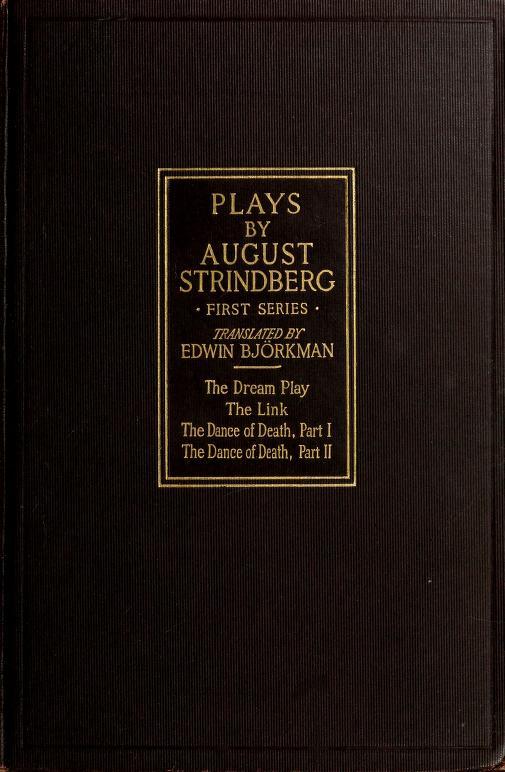
Plays by August Strindberg, First Series
1912
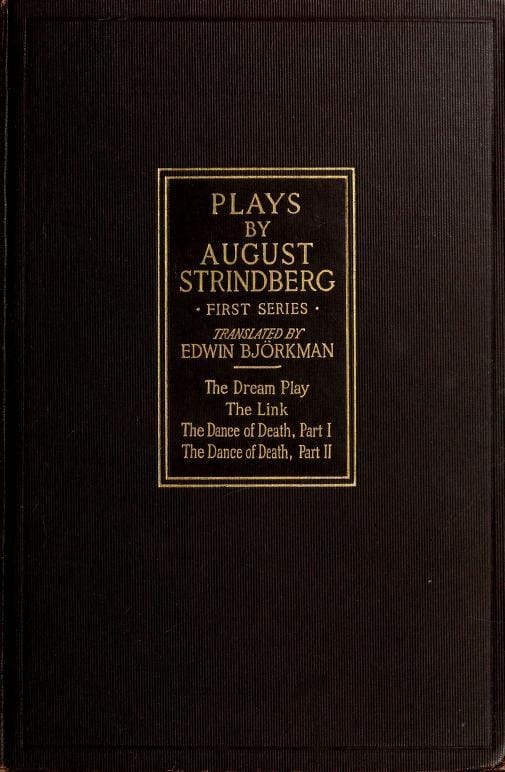
The father of modern Swedish literature in his most tortured, brilliant period. Written during the "Inferno years" that followed Strindberg's breakdowns, these three plays crackle with the raw electricity of a mind that stared into the abyss and translated that gaze into theater. "The Dream Play" descends from heaven to earth, sending the daughter of the god Indra into a world of suffering and absurdity, where time collapses and logic dissolves into something more true than waking life. "The Link" and "The Dance of Death" dissect marriage and mortality with surgical precision, exposing the violence hidden in intimacy. This is theater that refuses to comfort. It shattered conventions in 1901 and still feels dangerous now. Strindberg's characters are not people but forces of nature, driven by obsession, jealousy, and the terrible need to be understood. For readers who want theater that mirrors the nightmare of existence itself, these plays remain essential.
Editions
Link to this book
Add a free, dofollow link to Lex on your blog, forum, syllabus, or reading list.

<a href="https://lex-books.com/book/plays-by-august-strindberg-first-series-c229cf70-c390-4999-94db-b87143f0eef4"><img src="https://lex-books.com/badges/read-on-lex.svg" alt="Read Plays by August Strindberg, First Series by August Strindberg free on Lex" width="160" height="40"></a>[](https://lex-books.com/book/plays-by-august-strindberg-first-series-c229cf70-c390-4999-94db-b87143f0eef4)[url=https://lex-books.com/book/plays-by-august-strindberg-first-series-c229cf70-c390-4999-94db-b87143f0eef4][img]https://lex-books.com/badges/read-on-lex.svg[/img][/url]Read Plays by August Strindberg, First Series by August Strindberg free on Lex: https://lex-books.com/book/plays-by-august-strindberg-first-series-c229cf70-c390-4999-94db-b87143f0eef4Cite this book
Reading this edition for a paper or guide? Copy a citation.
Strindberg, August. Plays by August Strindberg, First Series. Lex, lex-books.com/book/plays-by-august-strindberg-first-series-c229cf70-c390-4999-94db-b87143f0eef4.Strindberg, A. (1912). Plays by August Strindberg, First Series. Lex. https://lex-books.com/book/plays-by-august-strindberg-first-series-c229cf70-c390-4999-94db-b87143f0eef4Strindberg, August. Plays by August Strindberg, First Series. Lex. https://lex-books.com/book/plays-by-august-strindberg-first-series-c229cf70-c390-4999-94db-b87143f0eef4.