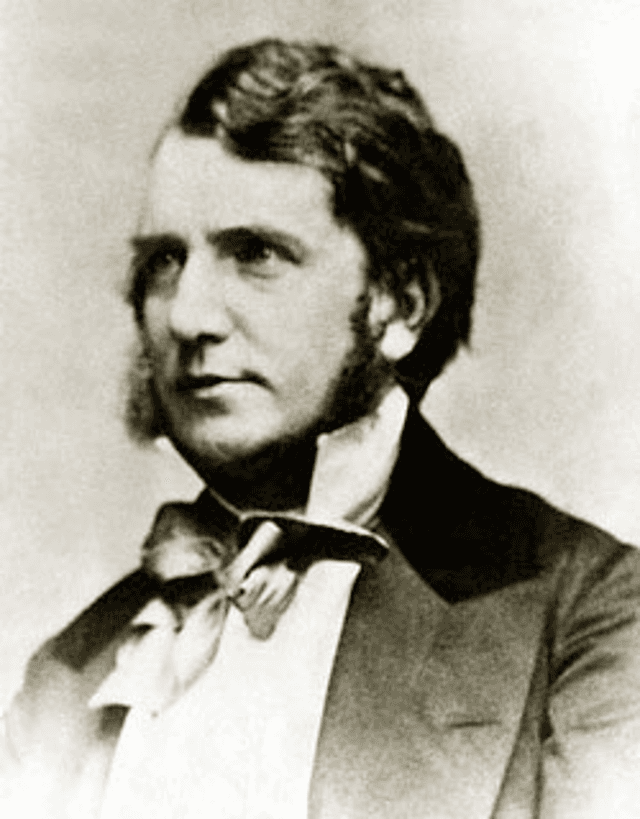
Joseph Sheridan Le Fanu
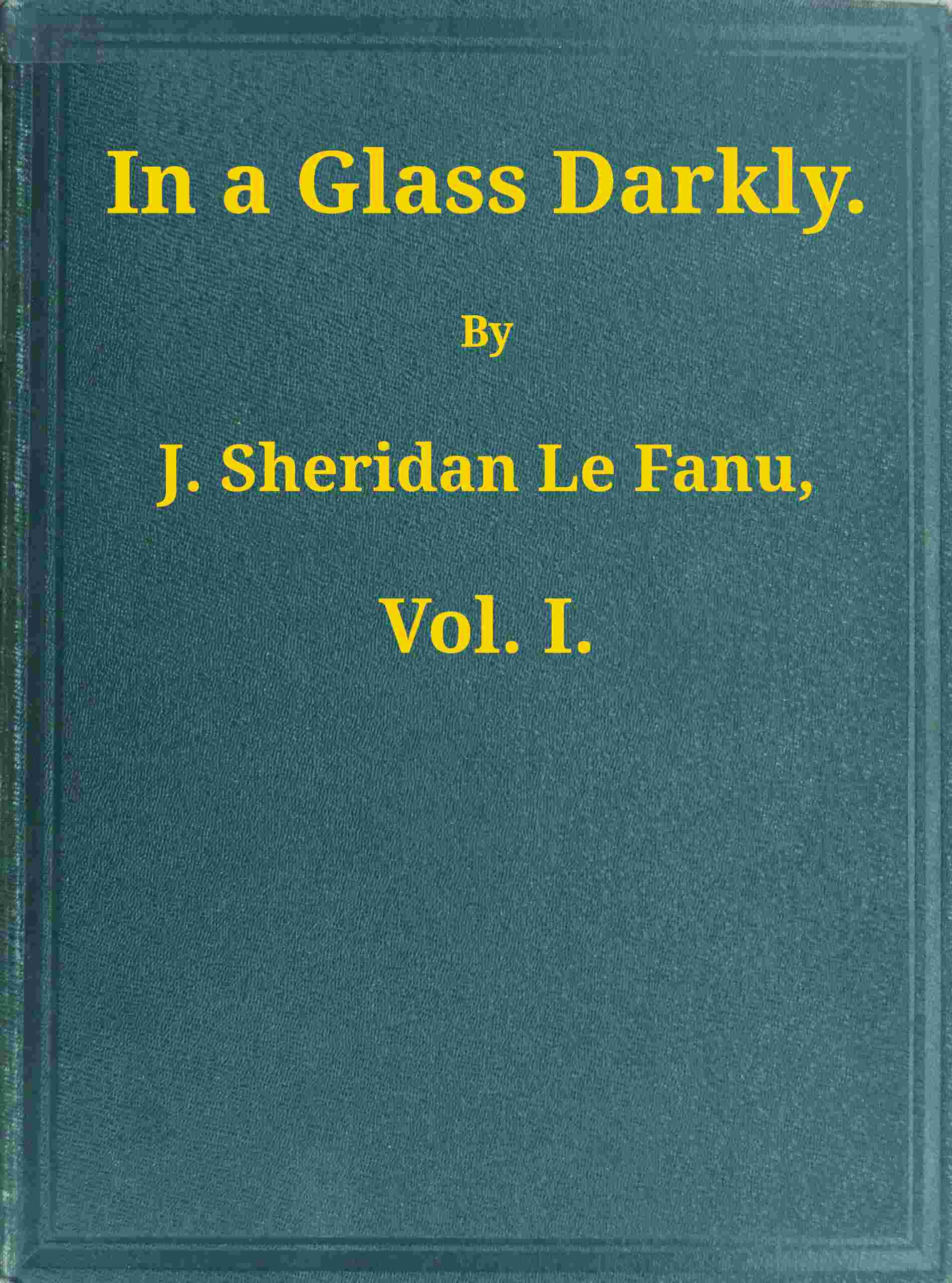
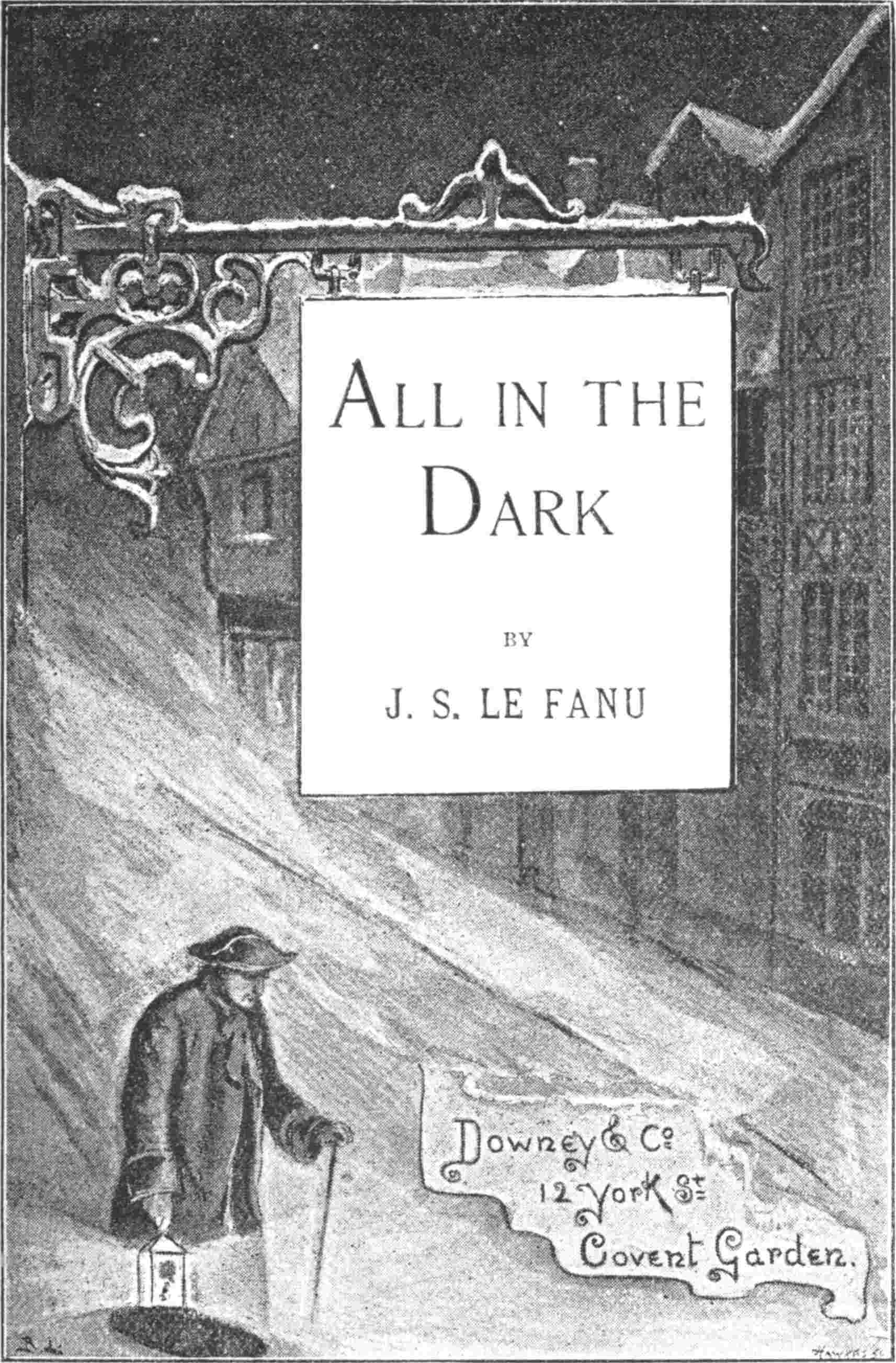
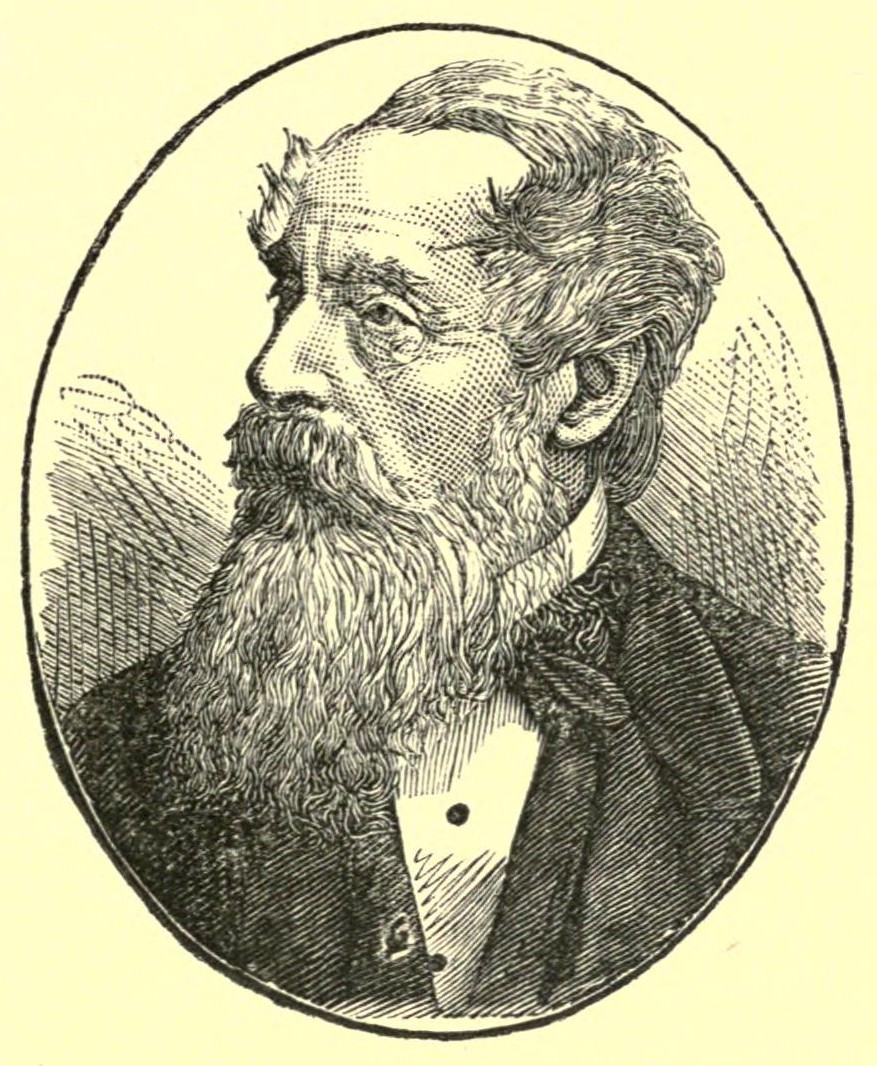
Joseph Sheridan Le Fanu was an influential Irish writer renowned for his contributions to Gothic, mystery, and horror literature. Born into a literary family, he began writing poetry at the age of fifteen, drawing from his father's extensive library. Financial difficulties forced his family to sell the library, but Le Fanu persevered, eventually writing for the Dublin University Magazine. His early works included ghost stories, with 'The Ghost and the Bone-Setter' marking his foray into the genre. By the 1840s, he owned several local newspapers and established himself as a prominent figure in Victorian literature. Le Fanu's major works include the locked-room mystery-thriller 'Uncle Silas' (1864), the mystery novel 'The House by the Churchyard' (1863), and the acclaimed collection 'In a Glass Darkly' (1872), which features 'Carmilla'—a groundbreaking novella that is one of the earliest examples of vampire literature and a pivotal work in the lesbian vampire genre. Although his works fell into obscurity after his death, they were revived by later writers, notably M. R. James, who praised Le Fanu's mastery of ghost stories. His influence can be seen in the works of later authors, including Bram Stoker, solidifying his legacy as a key figure in the dark romanticism movement and vampire fiction.
Famous Quotes
View all 20 quotes“For some nights I slept profoundly; but still every morning I felt the same lassitude, and a languor weighed upon me all day. I felt myself a changed girl. A strange melancholy was stealing over me, a melancholy that I would not have interrupted. Dim thoughts of death began to open, and an idea that I was slowly sinking took gentle, and, somehow, not unwelcome possession of me. If it was sad, the tone of mind which this induced was also sweet. Whatever it might be, my soul acquiesced in it.””
“I have been in love with no one, and never shall," she whispered, "unless it should be with you."How beautiful she looked in the moonlight!Shy and strange was the look with which she quickly hid her face in my neck and hair, with tumultuous sighs, that seemed almost to sob, and pressed in mine a hand that trembled.Her soft cheek was glowing against mine. "Darling, darling," she murmured, "I live in you; and you would die for me, I love you so."I started from her.She was gazing on me with eyes from which all fire, all meaning had flown, and a face colorless and apathetic."Is there a chill in the air, dear?" she said drowsily. "I almost shiver; have I been dreaming? Let us come in. Come; come; come in.””
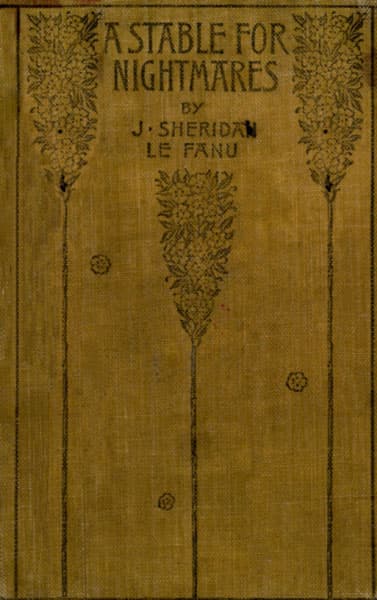
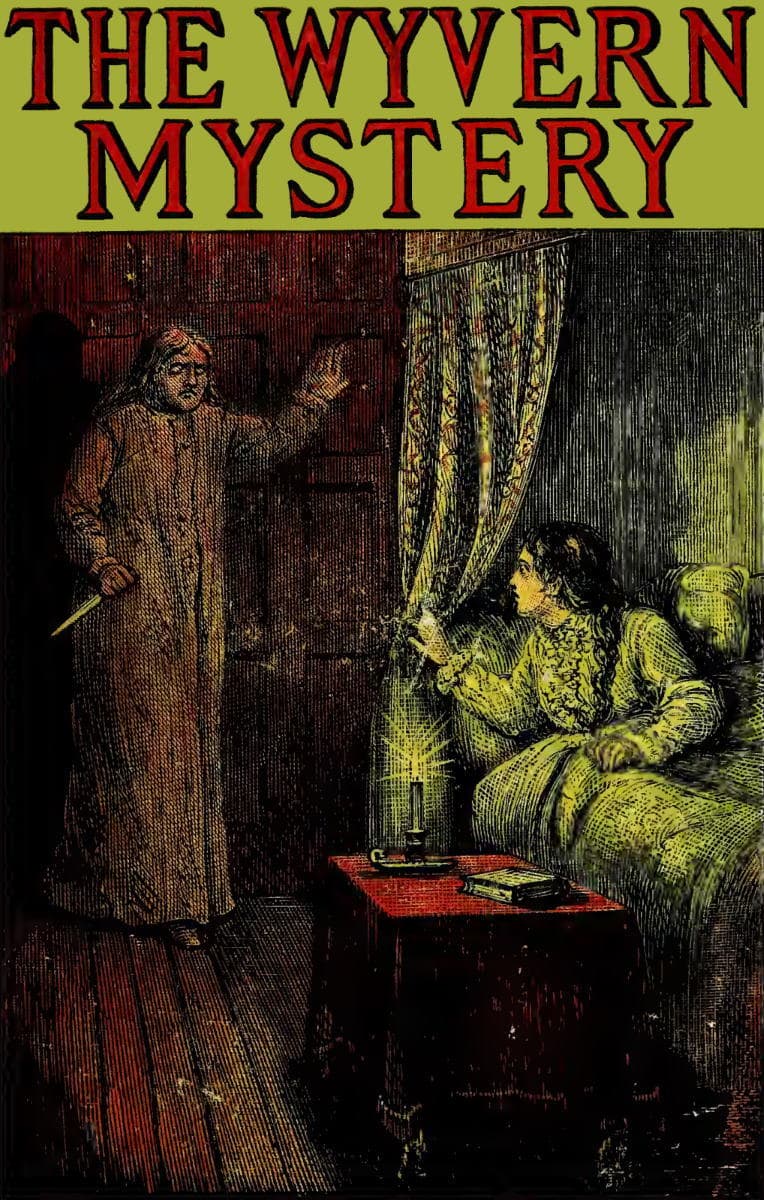
Books from the author



Link to this page
Add a free, dofollow link to Lex on your blog, forum, syllabus, or reading list.

<a href="https://lex-books.com/author/joseph-sheridan-le-fanu"><img src="https://lex-books.com/badges/read-on-lex.svg" alt="Joseph Sheridan Le Fanu on Lex" width="160" height="40"></a>[](https://lex-books.com/author/joseph-sheridan-le-fanu)[url=https://lex-books.com/author/joseph-sheridan-le-fanu][img]https://lex-books.com/badges/read-on-lex.svg[/img][/url]Joseph Sheridan Le Fanu on Lex: https://lex-books.com/author/joseph-sheridan-le-fanu