The Confession of a Fool
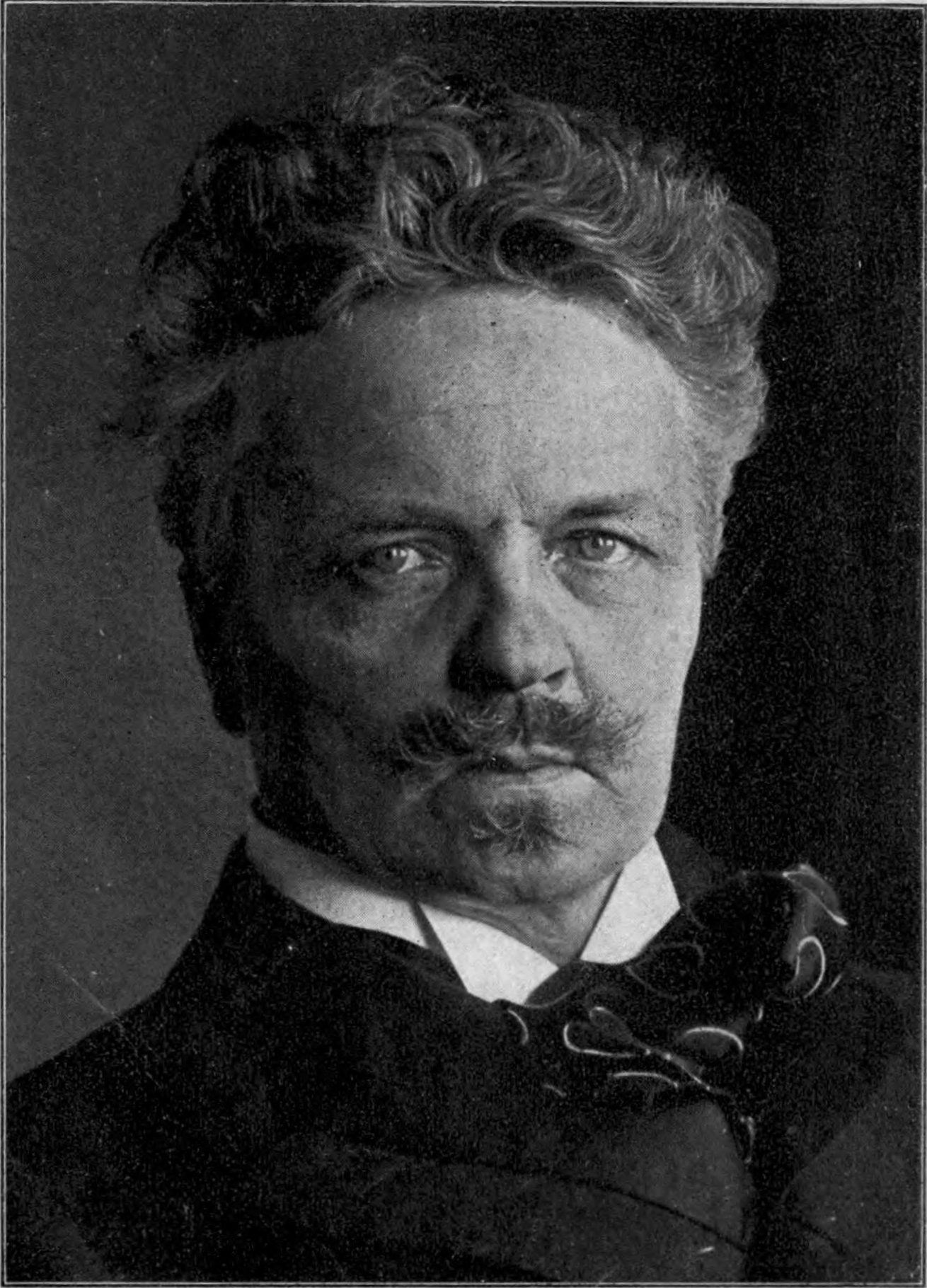
A man sits in Stockholm's grand Royal Library, surrounded by centuries of accumulated wisdom, and finds only despair. This is the setting for Strindberg's ferocious autobiographical confession, a book written in French as Le Plaidoyer d'un Fou (A Fool's Defense) in 1895. The novel dissects Strindberg's marriage to Siri von Essen with the precision of a surgeon and the bitterness of a spurned lover, tracing the arc from passionate beginning to catastrophic end. What unfolds is not merely a personal accounting but a wounded man's attempt to understand where he went wrong and why. The text crackles with intellectual vanity, obsessive jealousy, and a tormented masculinity that sees itself as victim even as it accuses. Written during the height of Nordic debates about sexual morality and the emerging women's movement, the novel functions as both private reckoning and cultural document. Strindberg uses himself as raw material here with unflinching honesty, if not always reliable narration. The result is a document that repels and compels in equal measure: a window into a brilliant, damaged mind grappling with love, failure, and the stories we tell ourselves to survive.
Editions
X-Ray
“At last everything was satisfactorily arranged, and I could not help admiring the setting: these mingled touches betrayed on a small scale the inspiration of a poet, the research of a scientist, the good taste of an artist, the gourmet’s fondness for good food, and the love of flowers, which concealed in their delicate shadows a hint of the love of women””
— August Strindberg
“E bisogna anche dire il pessimismo preso volgarmente alla lettera, e maldestramente confuso con l'ipocondria, rappresenta un modo di guardare al mondo molto forte e consolatorio. Se il tutto non è che un nulla relativo, perché prendersela tanto; se la verità è qualcosa di contingente, visto che s'è appena scoperto che la verità di oggi si muterà nella stupidaggine di domani, perché sprecare le forze della giovinezza per scoprire nuove stupidaggini; se la sola cosa certa che ci rimane è la morte, tiriamo a campare!””
— August Strindberg
Link to this book
Add a free, dofollow link to Lex on your blog, forum, syllabus, or reading list.

<a href="https://lex-books.com/book/the-confession-of-a-fool-87ce944a-e8a5-4516-acc6-90de9f8f8944"><img src="https://lex-books.com/badges/read-on-lex.svg" alt="Read The Confession of a Fool by August Strindberg free on Lex" width="160" height="40"></a>[](https://lex-books.com/book/the-confession-of-a-fool-87ce944a-e8a5-4516-acc6-90de9f8f8944)[url=https://lex-books.com/book/the-confession-of-a-fool-87ce944a-e8a5-4516-acc6-90de9f8f8944][img]https://lex-books.com/badges/read-on-lex.svg[/img][/url]Read The Confession of a Fool by August Strindberg free on Lex: https://lex-books.com/book/the-confession-of-a-fool-87ce944a-e8a5-4516-acc6-90de9f8f8944Cite this book
Reading this edition for a paper or guide? Copy a citation.
Strindberg, August. The Confession of a Fool. Lex, lex-books.com/book/the-confession-of-a-fool-87ce944a-e8a5-4516-acc6-90de9f8f8944.Strindberg, A. (n.d.). The Confession of a Fool. Lex. https://lex-books.com/book/the-confession-of-a-fool-87ce944a-e8a5-4516-acc6-90de9f8f8944Strindberg, August. The Confession of a Fool. Lex. https://lex-books.com/book/the-confession-of-a-fool-87ce944a-e8a5-4516-acc6-90de9f8f8944.