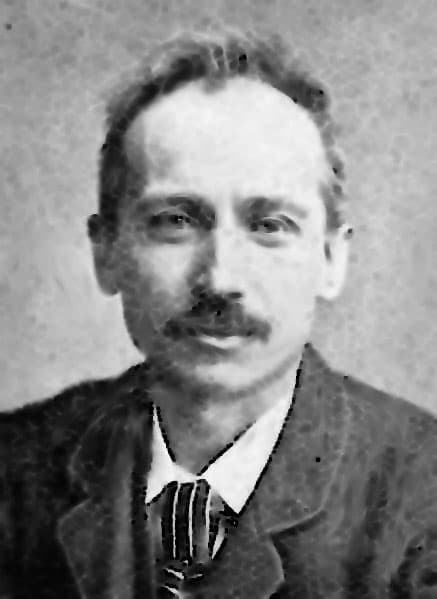
William Clark Russell
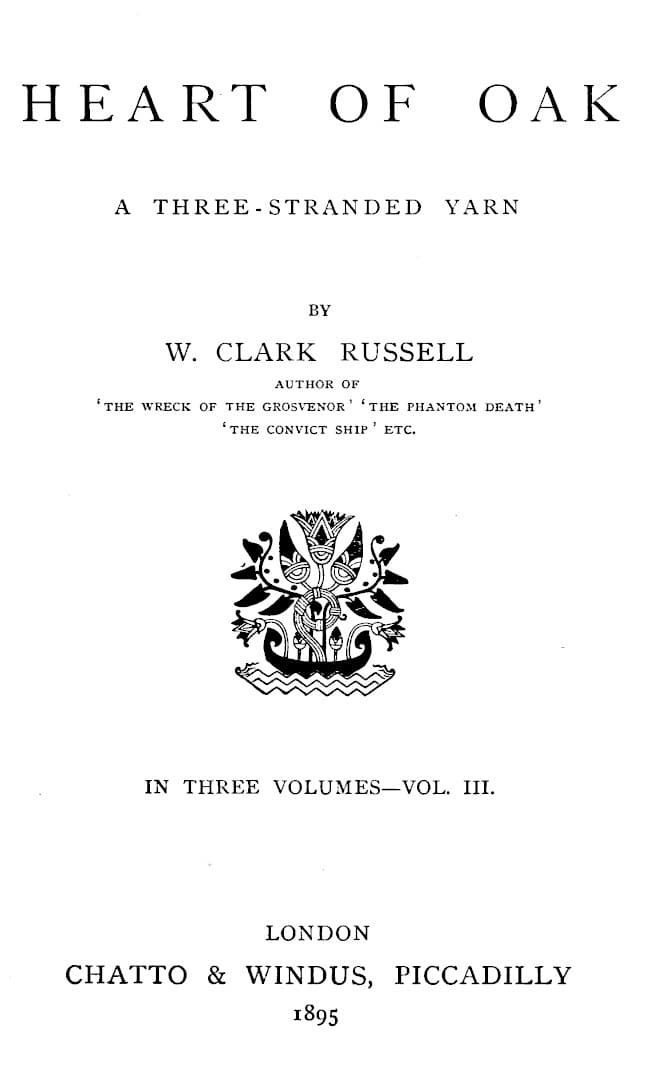
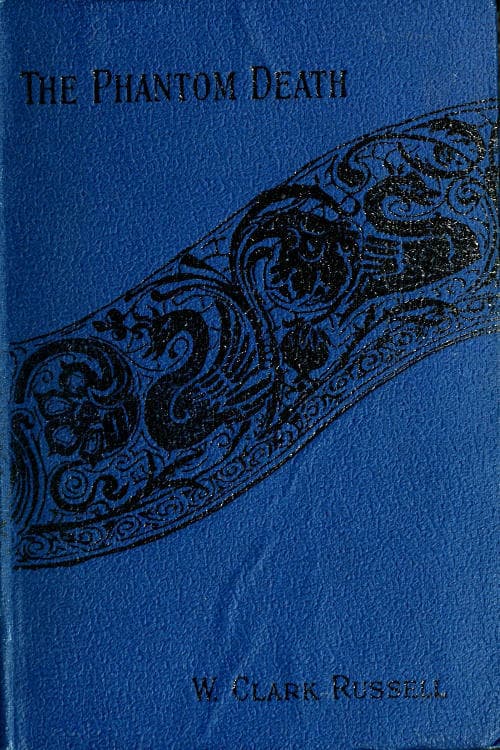
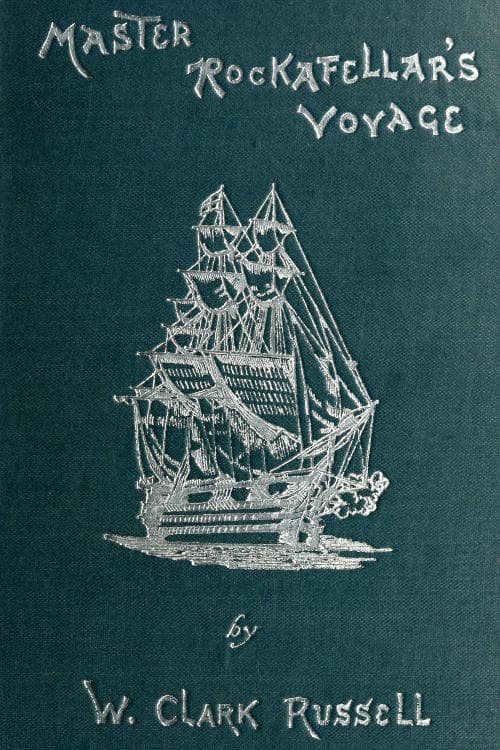
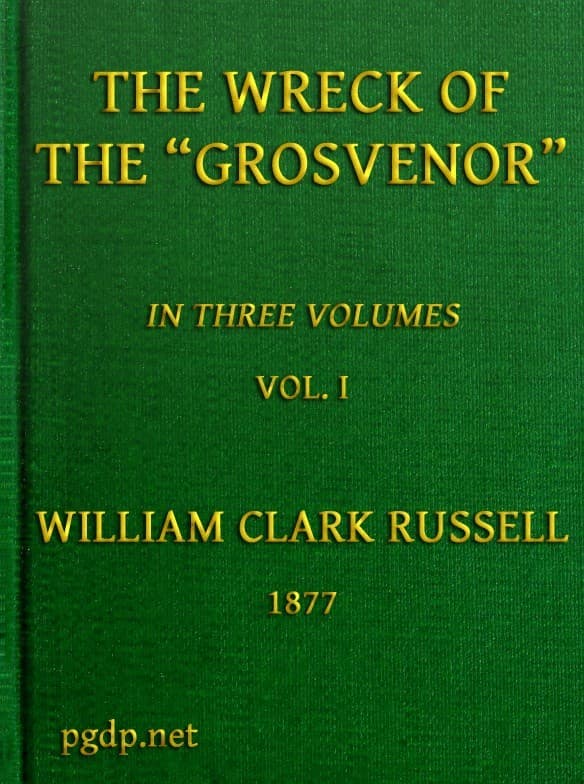
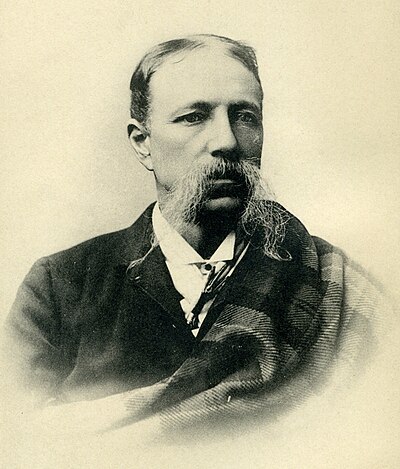
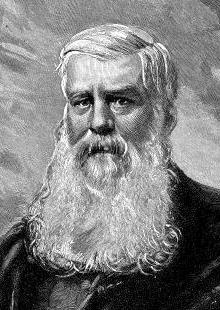
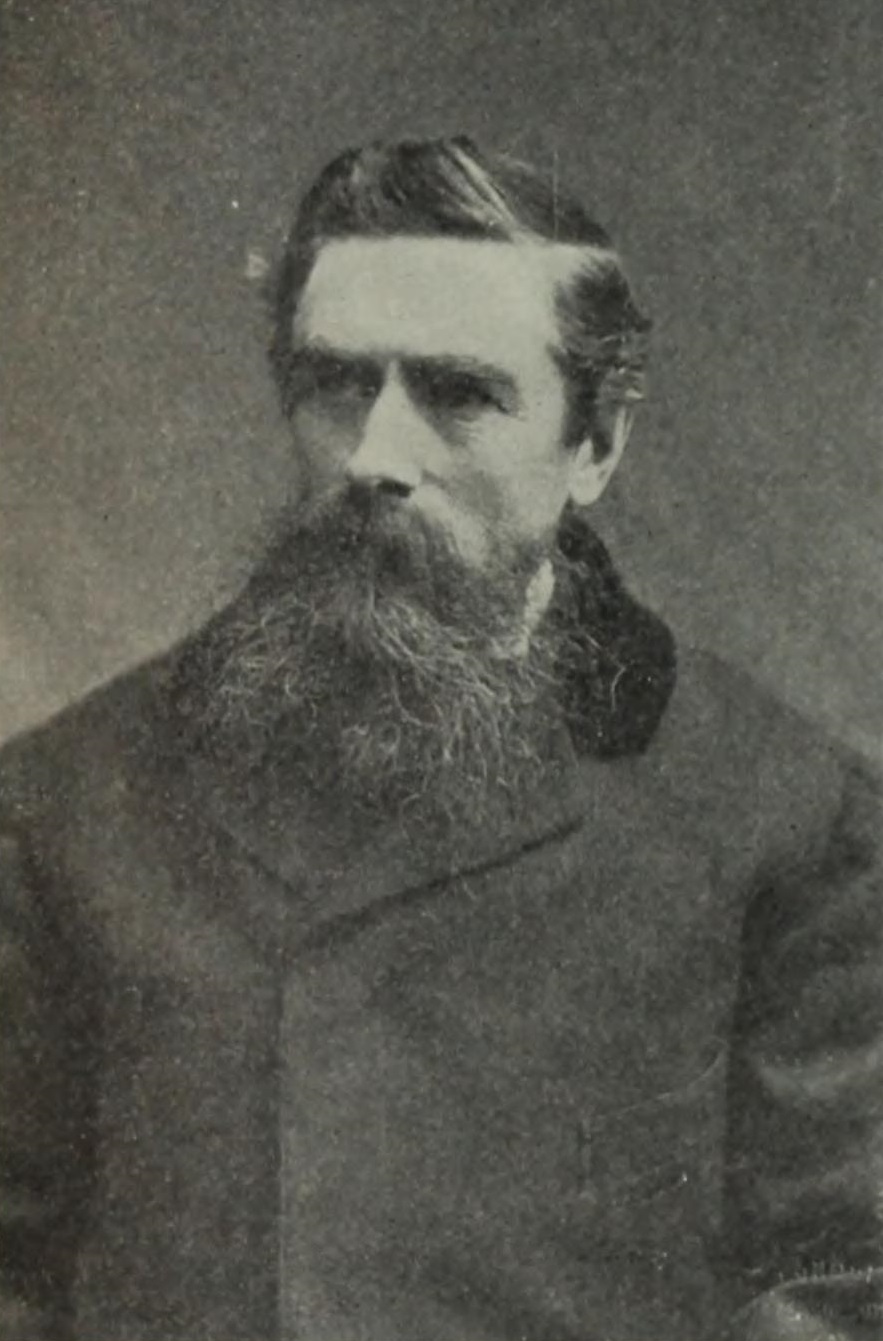
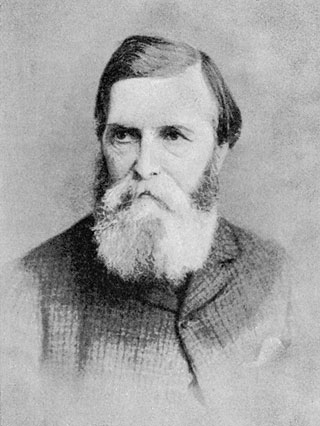
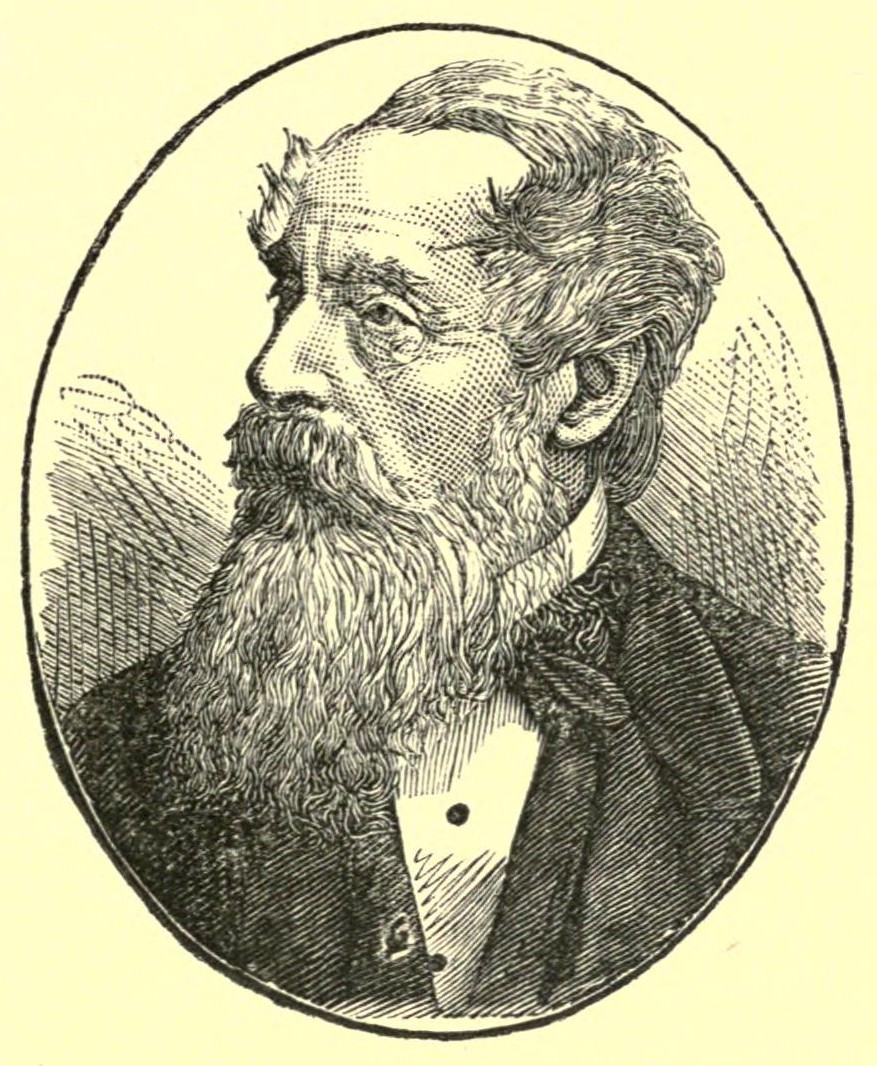
William Clark Russell was an English writer renowned for his nautical novels, which drew heavily from his own experiences at sea. At the age of 13, he joined the Merchant Navy, where he served for eight years. The hardships he faced during this time not only impacted his health but also provided rich material for his literary career. Russell's oeuvre included short stories, historical essays, biographies, and poetry, but he is best remembered for his novels that vividly depicted life aboard ships and the struggles of seafarers. His most notable works include 'The Wreck of the Grosvenor' and 'The Sea and the Jungle', which showcased his deep understanding of maritime life and its challenges. In addition to his literary pursuits, Russell was a dedicated journalist, contributing columns on nautical subjects to The Daily Telegraph. He was an advocate for the rights of merchant seamen, campaigning for improved working conditions and influencing legislative reforms that protected sailors from exploitation by unscrupulous ship-owners. His efforts earned him recognition from notable figures, including King George V, and he garnered admiration from contemporaries such as Herman Melville and Sir Arthur Conan Doyle. Russell's legacy endures through his contributions to maritime literature and his commitment to social reform within the maritime industry.
Famous Quotes
View all 3 quotes“Could it be possible that she was mad? That she had suddenly given life to a latent but pregnant seed of hereditary distemper—a strain in the family that had been concealed from him, a quality of intellectual structure of which the girl, and the mother herself, might have been ignorant as a part of the paternal or maternal legacy ? He had kissed her often. She had never repulsed him. They had often sat together alone in the twilight hand in hand. A couple are seldom married without certain happenings having gone before. Memories of the tender green of the May of love were sweet and scented between them. It was not to be supposed that she could forget all of a sudden. She must remember everything, though she gave no visible expression to recollection by dramatization of her mood. He felt that she should know better than to act like this. She was now his wife. She could not get away from that She had always been very willing to marry him. What in the devil's name had gone wrong with the fine creature ? Yet never was his love more consuming than whilst he walked to Chepstow Place with the beautiful, chaste, animated statue he had wedded.”
“Manifold are the historic interests of the river Thames. There is scarcely a foot of its mud from London Bridge to Gravesend Reach that is not as "consecrated" as that famous bit of soil which Dr. Samuel Johnson and Mr. Richard Savage knelt and kissed on stepping ashore at Greenwich”
“But then if fear could reason, it would cease to be fear.”
Books from the author
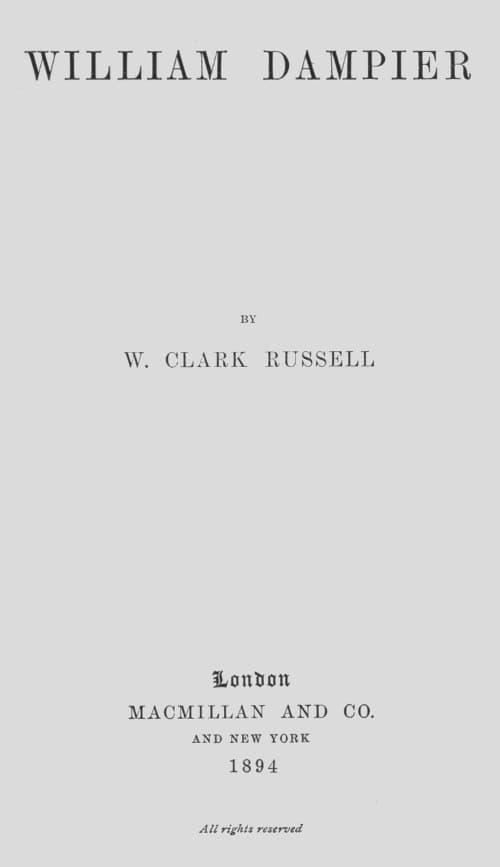
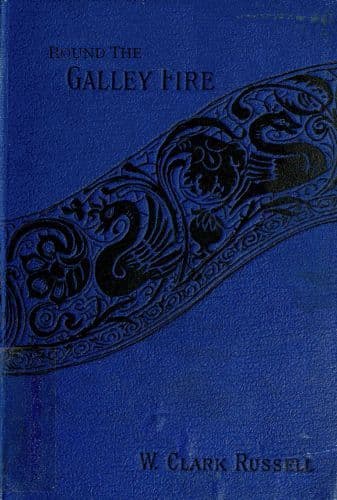
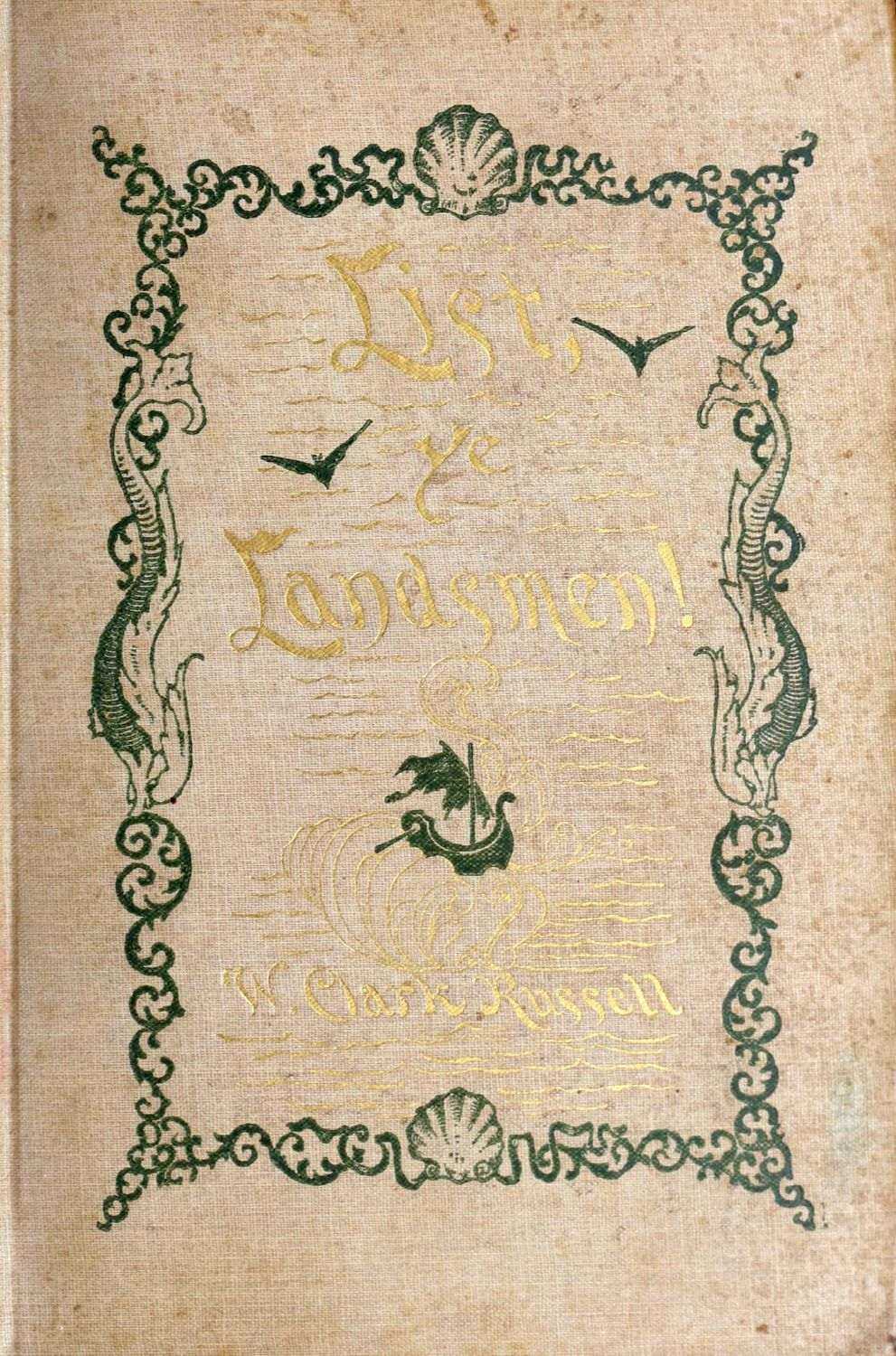
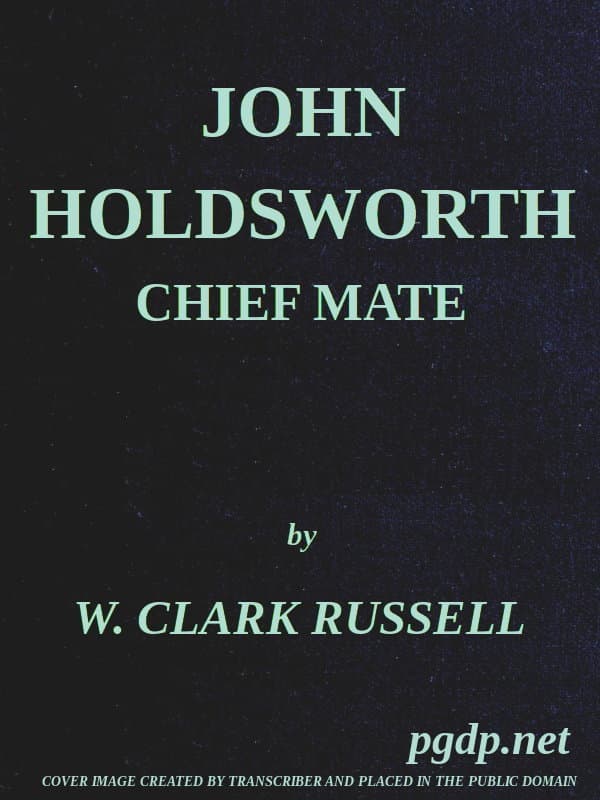
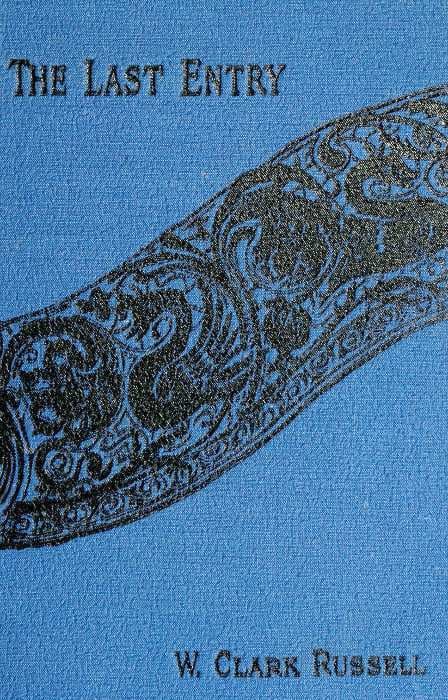
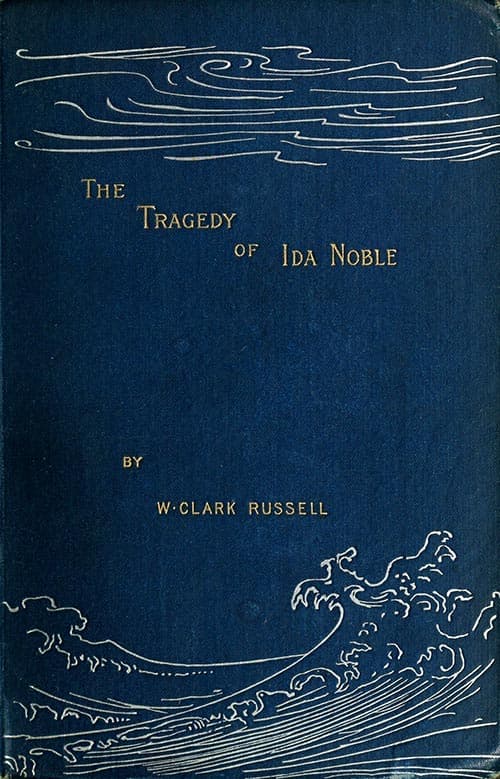
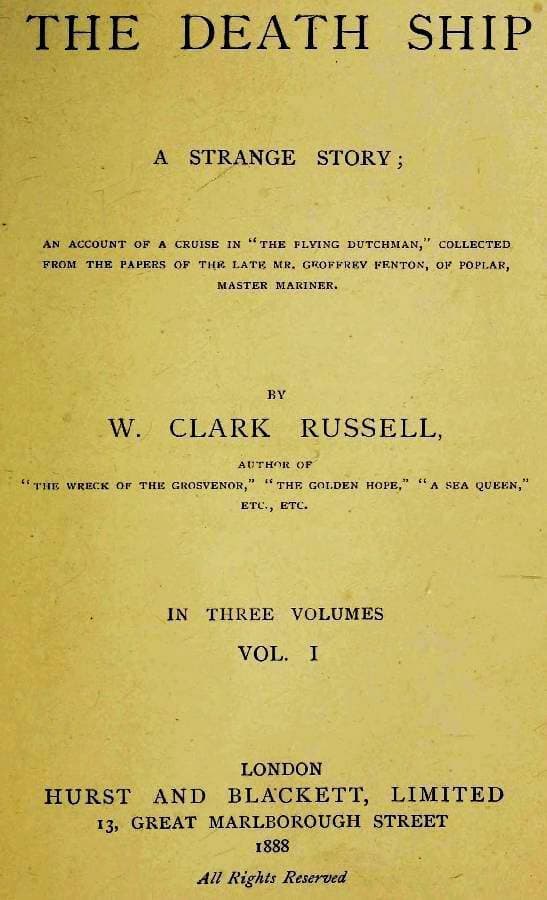




Link to this page
Add a free, dofollow link to Lex on your blog, forum, syllabus, or reading list.

<a href="https://lex-books.com/author/william-clark-russell"><img src="https://lex-books.com/badges/read-on-lex.svg" alt="William Clark Russell on Lex" width="160" height="40"></a>[](https://lex-books.com/author/william-clark-russell)[url=https://lex-books.com/author/william-clark-russell][img]https://lex-books.com/badges/read-on-lex.svg[/img][/url]William Clark Russell on Lex: https://lex-books.com/author/william-clark-russell