The Inferno
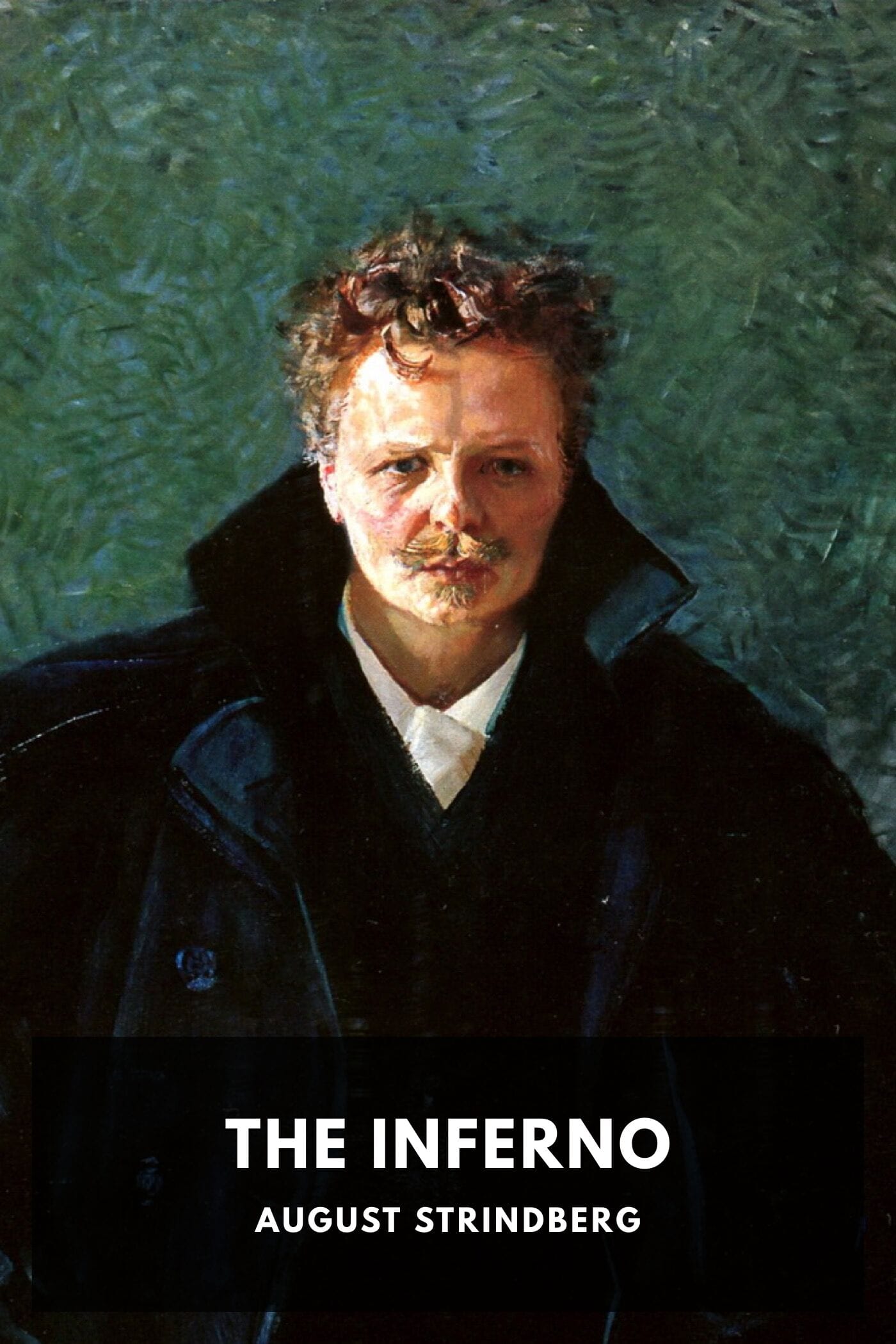
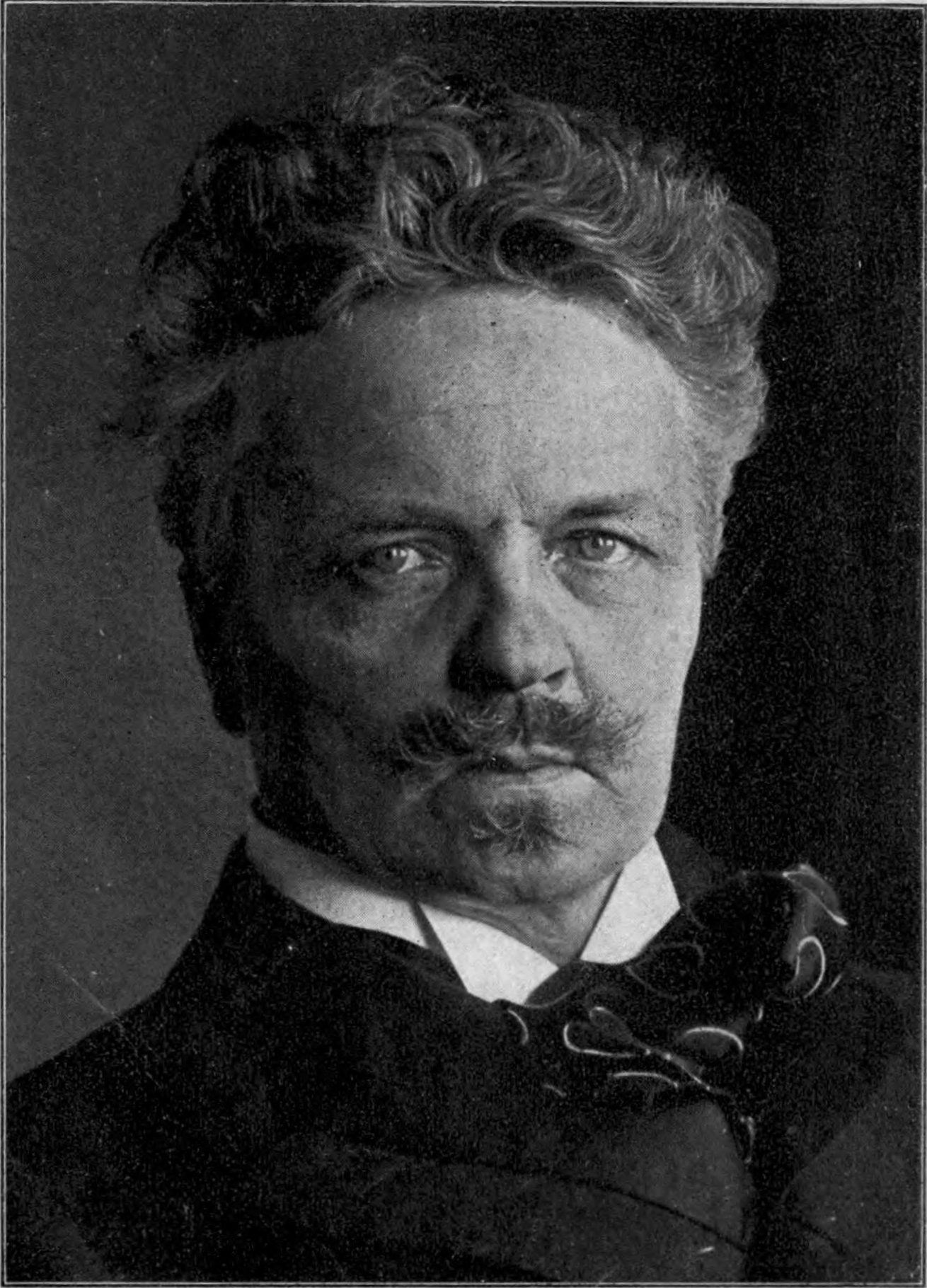
Step into the maelstrom of August Strindberg's mind in *The Inferno*, a semi-autobiographical descent into paranoia, alchemy, and the fringes of sanity. Our narrator, a thinly veiled Strindberg himself, seeks solace and inspiration amidst the fin-de-siècle intellectual ferment of Paris, only to find himself increasingly isolated by his own spiraling neuroses. As his grip on conventional reality loosens, he grapples with occult forces, scientific experiments, and the perceived malevolence of former friends, all meticulously cataloged in a diary that blurs the line between confession and fever dream. It's a raw, often darkly humorous, account of a prodigious talent teetering on the brink, desperately seeking meaning in a world that seems intent on unraveling him. More than a mere biographical sketch, *The Inferno* offers a harrowing, yet utterly compelling, psychological portrait of an artist in crisis. Strindberg’s prose, even through translation, crackles with an intensity that mirrors his tormented state, blending self-deprecation with grandiose delusion. This isn't just a record of personal breakdown; it's a profound exploration of artistic torment, the allure of the esoteric, and the fragile boundary between genius and madness. To read *The Inferno* is to confront the terrifying beauty of a mind in extremis, a testament to the enduring power of literature to plumb the darkest depths of the human psyche.
Editions

Link to this book
Add a free, dofollow link to Lex on your blog, forum, syllabus, or reading list.

<a href="https://lex-books.com/book/the-inferno-8c18f2d5-c038-4310-9b13-5fec3c06de0d"><img src="https://lex-books.com/badges/read-on-lex.svg" alt="Read The Inferno by August Strindberg free on Lex" width="160" height="40"></a>[](https://lex-books.com/book/the-inferno-8c18f2d5-c038-4310-9b13-5fec3c06de0d)[url=https://lex-books.com/book/the-inferno-8c18f2d5-c038-4310-9b13-5fec3c06de0d][img]https://lex-books.com/badges/read-on-lex.svg[/img][/url]Read The Inferno by August Strindberg free on Lex: https://lex-books.com/book/the-inferno-8c18f2d5-c038-4310-9b13-5fec3c06de0dCite this book
Reading this edition for a paper or guide? Copy a citation.
Strindberg, August. The Inferno. Lex, lex-books.com/book/the-inferno-8c18f2d5-c038-4310-9b13-5fec3c06de0d.Strindberg, A. (n.d.). The Inferno. Lex. https://lex-books.com/book/the-inferno-8c18f2d5-c038-4310-9b13-5fec3c06de0dStrindberg, August. The Inferno. Lex. https://lex-books.com/book/the-inferno-8c18f2d5-c038-4310-9b13-5fec3c06de0d.