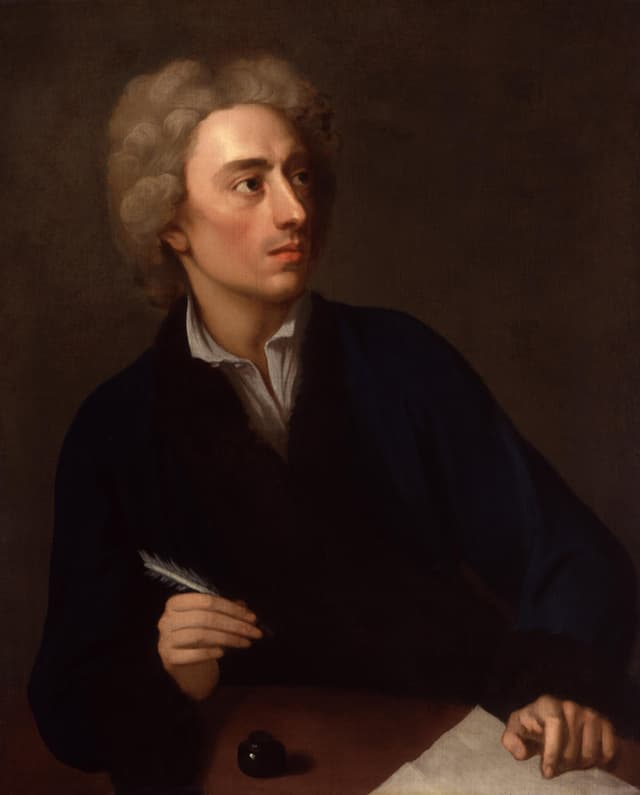
Alexander Pope
Alexander Pope was an influential English poet, translator, and satirist of the Enlightenment era, recognized as one of the foremost poets of the early 18th century. Born into a Catholic family in London, he faced numerous challenges due to his faith and health issues, which shaped his perspective and literary voice. Pope became a leading figure in Augustan literature, celebrated for his sharp wit and mastery of the heroic couplet. His notable works include 'The Rape of the Lock,' a mock-epic that critiques the vanity of the aristocracy, and 'The Dunciad,' a satirical poem that lampoons literary mediocrity and the culture of his time. Additionally, his translations of Homer's 'Iliad' and 'Odyssey' remain significant contributions to English literature, showcasing his skill in rendering classical texts into accessible verse. Pope's literary significance lies not only in his innovative use of form and language but also in his ability to engage with contemporary social and political issues through satire. His works often reflect a keen awareness of human nature and societal flaws, making him a central figure in the development of English poetry. His phrases have permeated everyday language, with expressions like 'damning with faint praise' and 'to err is human; to forgive, divine' becoming part of the cultural lexicon. Alexander Pope's legacy endures as a master of poetic form and a sharp critic of his society, influencing generations of writers and thinkers.
Famous Quotes
View all 18 quotes“Blessed is he who expects nothing, for he shall never be disappointed.””
“How happy is the blameless vestal’s lot!The world forgetting, by the world forgot.Eternal sunshine of the spotless mind!Each pray’r accepted, and each wish resign’d””
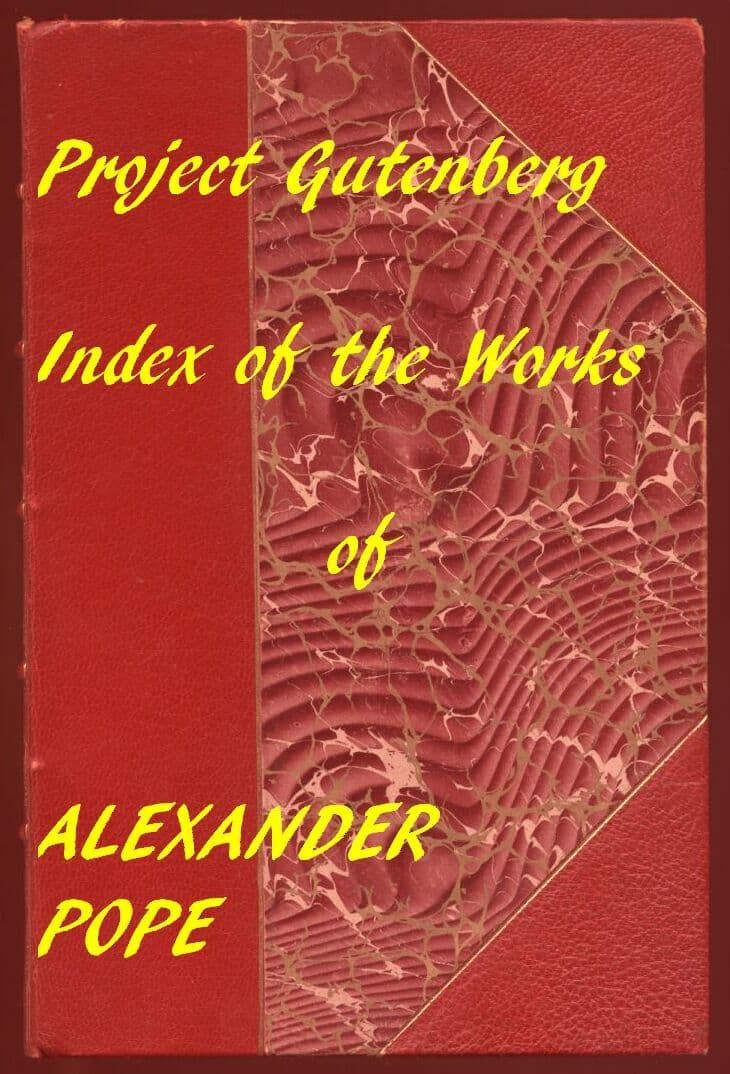
Books from the author






Link to this page
Add a free, dofollow link to Lex on your blog, forum, syllabus, or reading list.

<a href="https://lex-books.com/author/alexander-pope"><img src="https://lex-books.com/badges/read-on-lex.svg" alt="Alexander Pope on Lex" width="160" height="40"></a>[](https://lex-books.com/author/alexander-pope)[url=https://lex-books.com/author/alexander-pope][img]https://lex-books.com/badges/read-on-lex.svg[/img][/url]Alexander Pope on Lex: https://lex-books.com/author/alexander-pope