An Essay on Criticism
1711
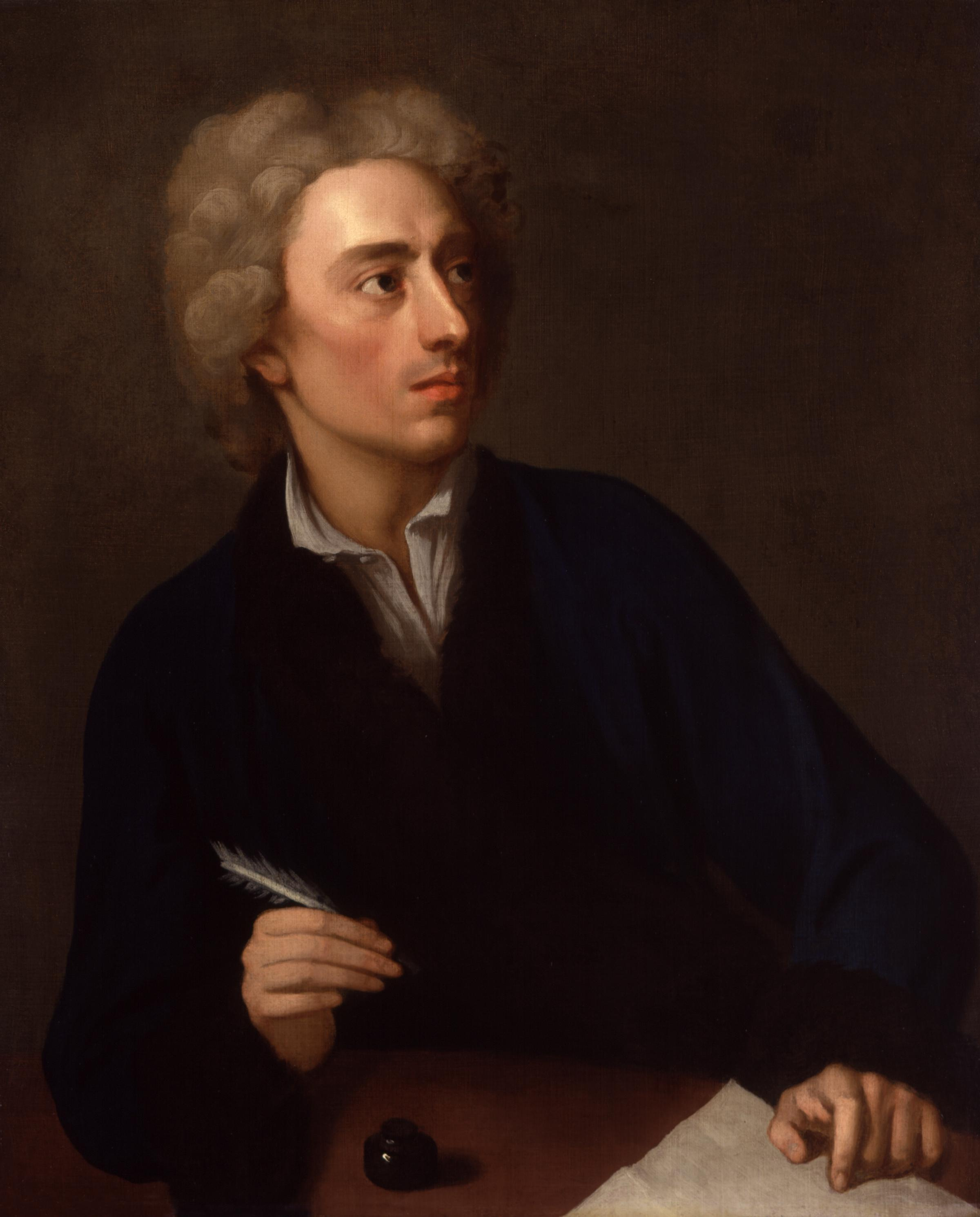
Pope wrote this at twenty-three. That fact alone should give pause to anyone who thinks wisdom requires gray hair. Published in 1711, An Essay on Criticism launched one of English literature's most formidable minds into the cultural conversation, and it still crackles with energy three centuries later. Pope argues that true criticism requires genuine understanding: know the rules before you break them, wield judgment with humility rather than arrogance, and above all, resist the seduction of extremes. The poem moves with the precision of a clockmaker, every couplet measuring out wit, insight, and the occasional devastating swipe at bad critics and worse poets. It gave English literature three of its most quoted lines: 'To err is human; to forgive, divine,' 'A little learning is a dangerous thing,' and 'Fools rush in where angels fear to tread.' These phrases have outlived their author by nearly three centuries because they contain truths that don't age. Anyone who reads, writes, or dares to have opinions about literature will find something here that still cuts.
Editions
Link to this book
Add a free, dofollow link to Lex on your blog, forum, syllabus, or reading list.

<a href="https://lex-books.com/book/an-essay-on-criticism-4a67b52f-8d51-4b81-9a7d-ef2daaceac79"><img src="https://lex-books.com/badges/read-on-lex.svg" alt="Read An Essay on Criticism by Alexander Pope free on Lex" width="160" height="40"></a>[](https://lex-books.com/book/an-essay-on-criticism-4a67b52f-8d51-4b81-9a7d-ef2daaceac79)[url=https://lex-books.com/book/an-essay-on-criticism-4a67b52f-8d51-4b81-9a7d-ef2daaceac79][img]https://lex-books.com/badges/read-on-lex.svg[/img][/url]Read An Essay on Criticism by Alexander Pope free on Lex: https://lex-books.com/book/an-essay-on-criticism-4a67b52f-8d51-4b81-9a7d-ef2daaceac79Cite this book
Reading this edition for a paper or guide? Copy a citation.
Pope, Alexander. An Essay on Criticism. Lex, lex-books.com/book/an-essay-on-criticism-4a67b52f-8d51-4b81-9a7d-ef2daaceac79.Pope, A. (1711). An Essay on Criticism. Lex. https://lex-books.com/book/an-essay-on-criticism-4a67b52f-8d51-4b81-9a7d-ef2daaceac79Pope, Alexander. An Essay on Criticism. Lex. https://lex-books.com/book/an-essay-on-criticism-4a67b52f-8d51-4b81-9a7d-ef2daaceac79.