War and Peace, Book 17: Second Epilogue

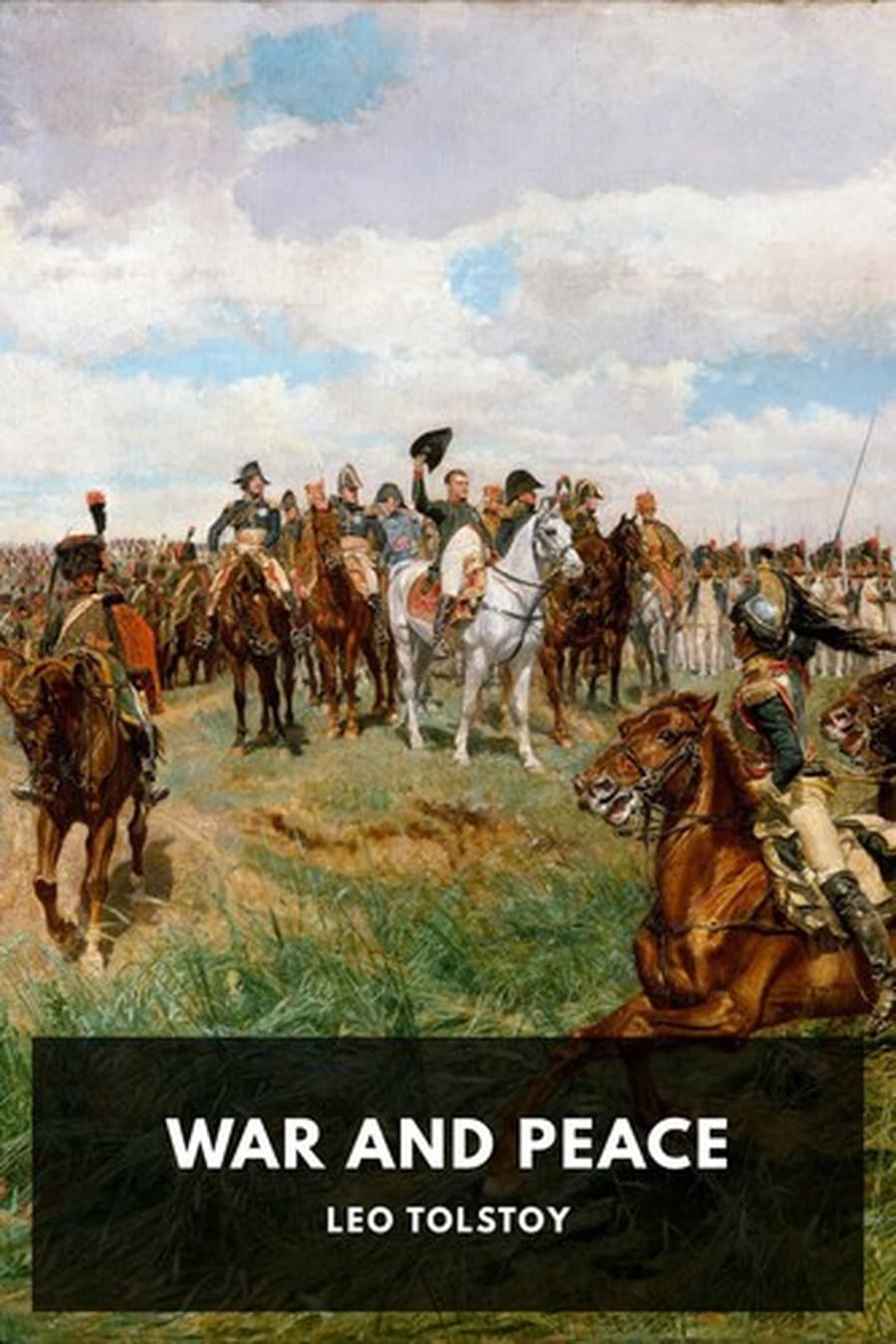
The Second Epilogue is Tolstoy's radical departure from narrative into philosophy. After the emotional devastation of the novel's conclusion, he turns his gaze not backward but inward, constructing a sweeping meditation on what history actually is and how it unfolds. Tolstoy argues that the great men of history, Napoleon most prominently, are not the drivers of events but rather the unconscious instruments of forces far larger than any individual. He develops a rigorous case for historical determinism, examining how countless tiny actions and decisions aggregate into events we later attribute to singular wills. This is Tolstoy the philosopher, not Tolstoy the novelist, and he pulls no punches in his critique of conventional historical thinking. The Second Epilogue challenges readers to reconsider everything they believed about agency, causation, and the nature of historical change. It remains essential precisely because it refuses to let its readers off the hook: whether you agree with Tolstoy or violently disagree, he forces a reckoning with the foundations of how we understand the past.
Editions


Read by
Group Narration
7 readers
Lucy Perry, nathank, Cate Mackenzie, Ernst Pattynama +3 more
Link to this book
Add a free, dofollow link to Lex on your blog, forum, syllabus, or reading list.

<a href="https://lex-books.com/book/war-and-peace-book-17-second-epilogue-62b23d22-592b-4a6c-8ae3-154f0c24cd68"><img src="https://lex-books.com/badges/read-on-lex.svg" alt="Read War and Peace, Book 17: Second Epilogue by Leo Tolstoy free on Lex" width="160" height="40"></a>[](https://lex-books.com/book/war-and-peace-book-17-second-epilogue-62b23d22-592b-4a6c-8ae3-154f0c24cd68)[url=https://lex-books.com/book/war-and-peace-book-17-second-epilogue-62b23d22-592b-4a6c-8ae3-154f0c24cd68][img]https://lex-books.com/badges/read-on-lex.svg[/img][/url]Read War and Peace, Book 17: Second Epilogue by Leo Tolstoy free on Lex: https://lex-books.com/book/war-and-peace-book-17-second-epilogue-62b23d22-592b-4a6c-8ae3-154f0c24cd68Cite this book
Reading this edition for a paper or guide? Copy a citation.
Tolstoy, Leo. War and Peace, Book 17: Second Epilogue. Lex, lex-books.com/book/war-and-peace-book-17-second-epilogue-62b23d22-592b-4a6c-8ae3-154f0c24cd68.Tolstoy, L. (n.d.). War and Peace, Book 17: Second Epilogue. Lex. https://lex-books.com/book/war-and-peace-book-17-second-epilogue-62b23d22-592b-4a6c-8ae3-154f0c24cd68Tolstoy, Leo. War and Peace, Book 17: Second Epilogue. Lex. https://lex-books.com/book/war-and-peace-book-17-second-epilogue-62b23d22-592b-4a6c-8ae3-154f0c24cd68.