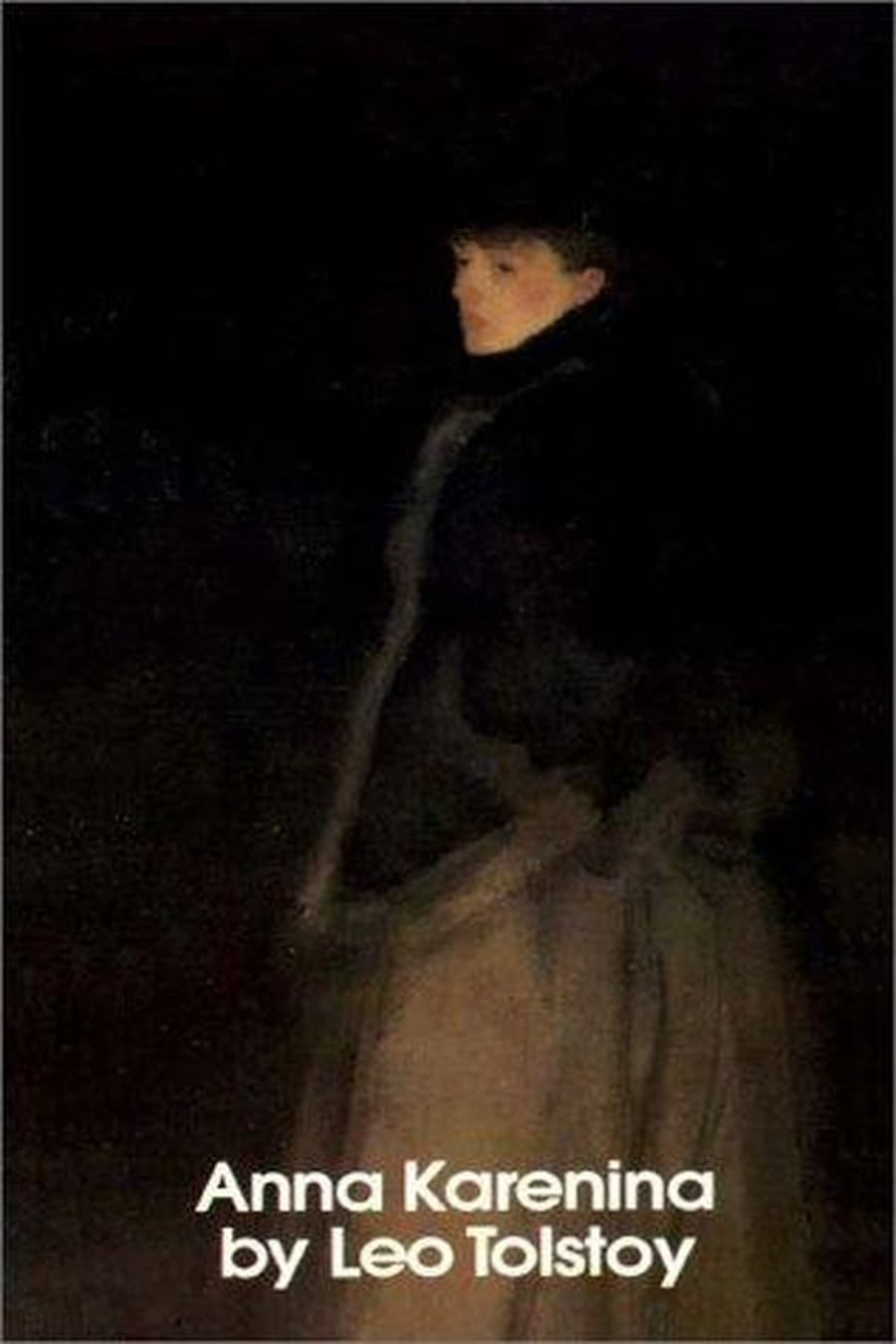
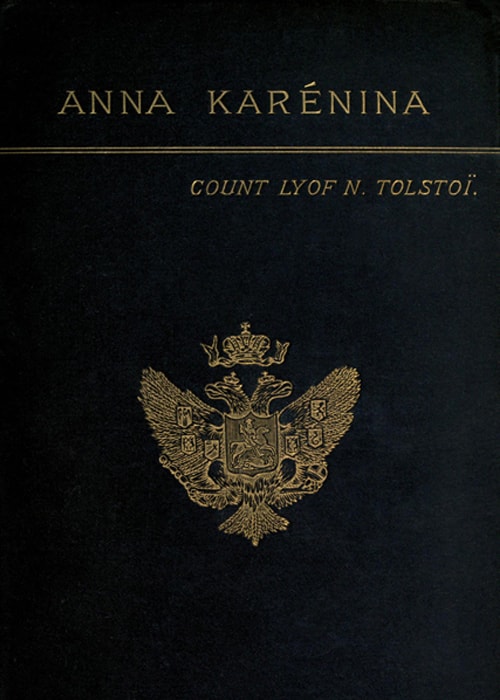
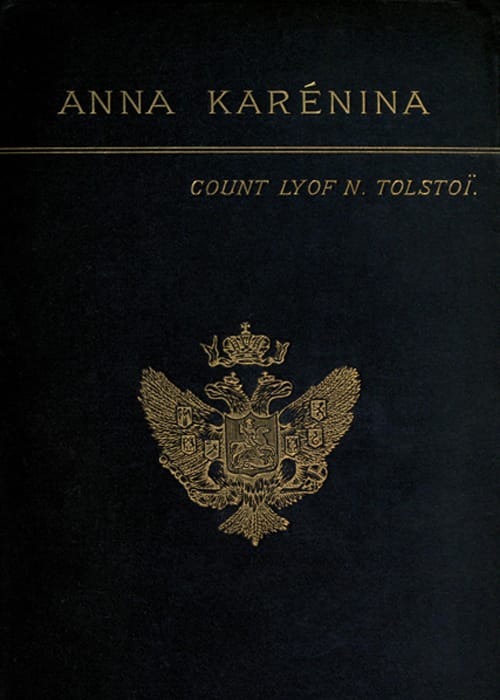
Anna Karenina
1877
A woman abandons her husband and infant son for the sake of passion, and the world punishes her for it with a severity that feels almost biblical. That's the tragedy at the heart of Anna Karenina, but Tolstoy's genius lies in refusing to let his characters serve as simple morality lessons. Anna is neither hero nor villain. She is a woman who chose love and lost everything, and Tolstoy makes us feel the unbearable weight of that choice. Against her story runs another: the quiet, searching narrative of Levin, a man who finds meaning not in passion but in honest work and simple devotion. These two threads together form an incomparable portrait of a society in transformation, of marriage as both cage and sanctuary, and of the human heart's endless capacity for self-deception. The famous opening declares that all unhappy families are unhappy in their own way. Tolstoy proves this true across a thousand pages with psychological precision that still feels modern. This is for readers who want to understand what it costs to live by desire alone, and what, if anything, can be built in its place.
Editions
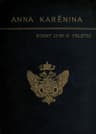

X-Ray
“All happy families are alike; each unhappy family is unhappy in its own way.””
— Leo Tolstoy
“If you look for perfection, you'll never be content.””
— Leo Tolstoy
“I think... if it is true that there are as many minds as there are heads, then there are as many kinds of love as there are hearts.””
— Leo Tolstoy
“He stepped down, trying not to look long at her, as if she were the sun, yet he saw her, like the sun, even without looking.””
— Leo Tolstoy
“Respect was invented to cover the empty place where love should be.””
— Leo Tolstoy
“Spring is the time of plans and projects.””
— Leo Tolstoy
“Is it really possible to tell someone else what one feels?””
— Leo Tolstoy
“Rummaging in our souls, we often dig up something that ought to have lain there unnoticed.””
— Leo Tolstoy
“I've always loved you, and when you love someone, you love the whole person, just as he or she is, and not as you would like them to be.””
— Leo Tolstoy
About Anna Karenina
Chapter Summaries
- 1
- The Oblonsky household is in turmoil after Darya Alexandrovna (Dolly) discovers her husband Stepan Arkadyevitch's affair with their governess. Stepan wakes up, recalling a pleasant dream, but is quickly brought back to the painful reality of his wife's anger and his own culpability.
- 2
- Stepan reflects on his inability to genuinely repent for his infidelity, only regretting being caught. He rationalizes his behavior and his wife's reaction. His valet, Matvey, informs him that his sister, Anna Arkadyevna, is arriving, hoping her presence will aid in reconciliation.
- 3
- Stepan goes through his morning routine, reading liberal newspapers and dealing with office papers, while also considering the financial implications of his marital strife. His children, Tanya and Grisha, briefly interrupt him. He then decides to confront Dolly in her bedroom.
Key Themes
- Adultery and its Consequences
- The novel meticulously explores the devastating ripple effects of infidelity, particularly Anna's affair with Vronsky. It highlights the societal condemnation, personal guilt, and the destruction of family bonds, contrasting it with Stepan's more easily forgiven, yet equally morally questionable, transgressions.
- Family and Marriage
- Tolstoy examines various forms of family life and marriage, from the initial 'unhappy' Oblonsky household to the idealized, yet challenged, vision of Levin. The institution of marriage is presented as both a source of happiness and a restrictive social construct, with characters grappling with its duties, expectations, and the pursuit of genuine love within or outside its bounds.
- Societal Expectations vs. Individual Desire
- A core tension in the novel is the conflict between the rigid demands of 19th-century Russian high society and the characters' individual desires for love, happiness, and authenticity. Anna's tragedy stems from her inability to reconcile her passionate love with the unforgiving social code, while Levin struggles to find his place within or outside these conventions.
Characters
- Stepan Arkadyevitch Oblonsky(protagonist)
- Anna's brother and Dolly's husband, a charming and liberal-minded but unfaithful government official in Moscow.
- Darya Alexandrovna Oblonskaya(protagonist)
- Stepan's wife and Kitty's elder sister, a devoted mother who is deeply wounded by her husband's infidelity.
- Anna Arkadyevna Karenina(protagonist)
- Stepan's sister and Alexey Karenin's wife, a captivating and passionate woman who embarks on a destructive love affair with Vronsky.
- Konstantin Dmitrievitch Levin(protagonist)
- A country landowner and philosopher, honest and idealistic, who struggles with societal norms and his unrequited love for Kitty.
- Katerina Alexandrovna Shtcherbatskaya(protagonist)
- Dolly's younger sister, a beautiful and innocent young woman who initially rejects Levin for Vronsky, leading to heartbreak and a spiritual crisis.
- Count Alexey Kirillovitch Vronsky(protagonist)
- A wealthy and handsome cavalry officer, who falls passionately in love with Anna Karenina, leading to a scandalous affair.
Link to this book
Add a free, dofollow link to Lex on your blog, forum, syllabus, or reading list.

<a href="https://lex-books.com/book/anna-karenina-63cf2da6-55b9-4dc0-9fe3-698cf41546c9"><img src="https://lex-books.com/badges/read-on-lex.svg" alt="Read Anna Karenina by Leo Tolstoy free on Lex" width="160" height="40"></a>[](https://lex-books.com/book/anna-karenina-63cf2da6-55b9-4dc0-9fe3-698cf41546c9)[url=https://lex-books.com/book/anna-karenina-63cf2da6-55b9-4dc0-9fe3-698cf41546c9][img]https://lex-books.com/badges/read-on-lex.svg[/img][/url]Read Anna Karenina by Leo Tolstoy free on Lex: https://lex-books.com/book/anna-karenina-63cf2da6-55b9-4dc0-9fe3-698cf41546c9Cite this book
Reading this edition for a paper or guide? Copy a citation.
Tolstoy, Leo. Anna Karenina. Lex, lex-books.com/book/anna-karenina-63cf2da6-55b9-4dc0-9fe3-698cf41546c9.Tolstoy, L. (1877). Anna Karenina. Lex. https://lex-books.com/book/anna-karenina-63cf2da6-55b9-4dc0-9fe3-698cf41546c9Tolstoy, Leo. Anna Karenina. Lex. https://lex-books.com/book/anna-karenina-63cf2da6-55b9-4dc0-9fe3-698cf41546c9.