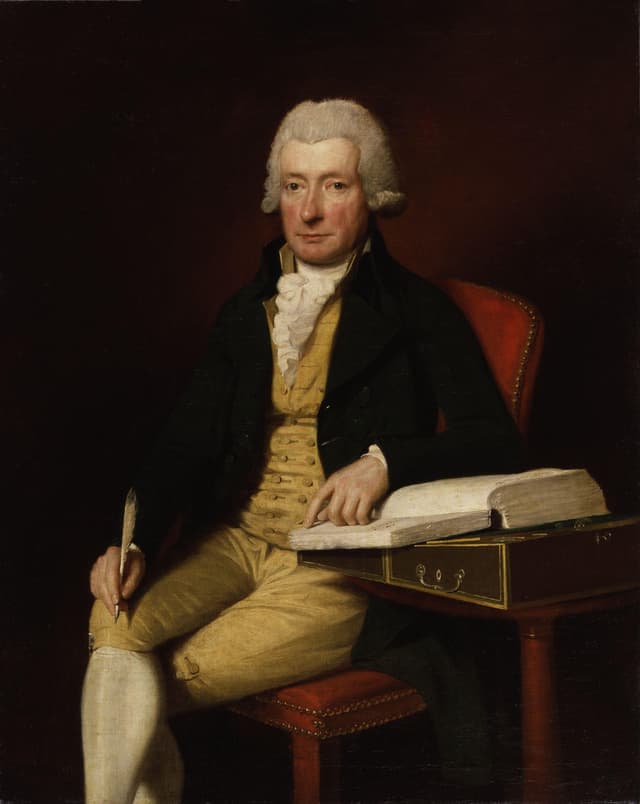
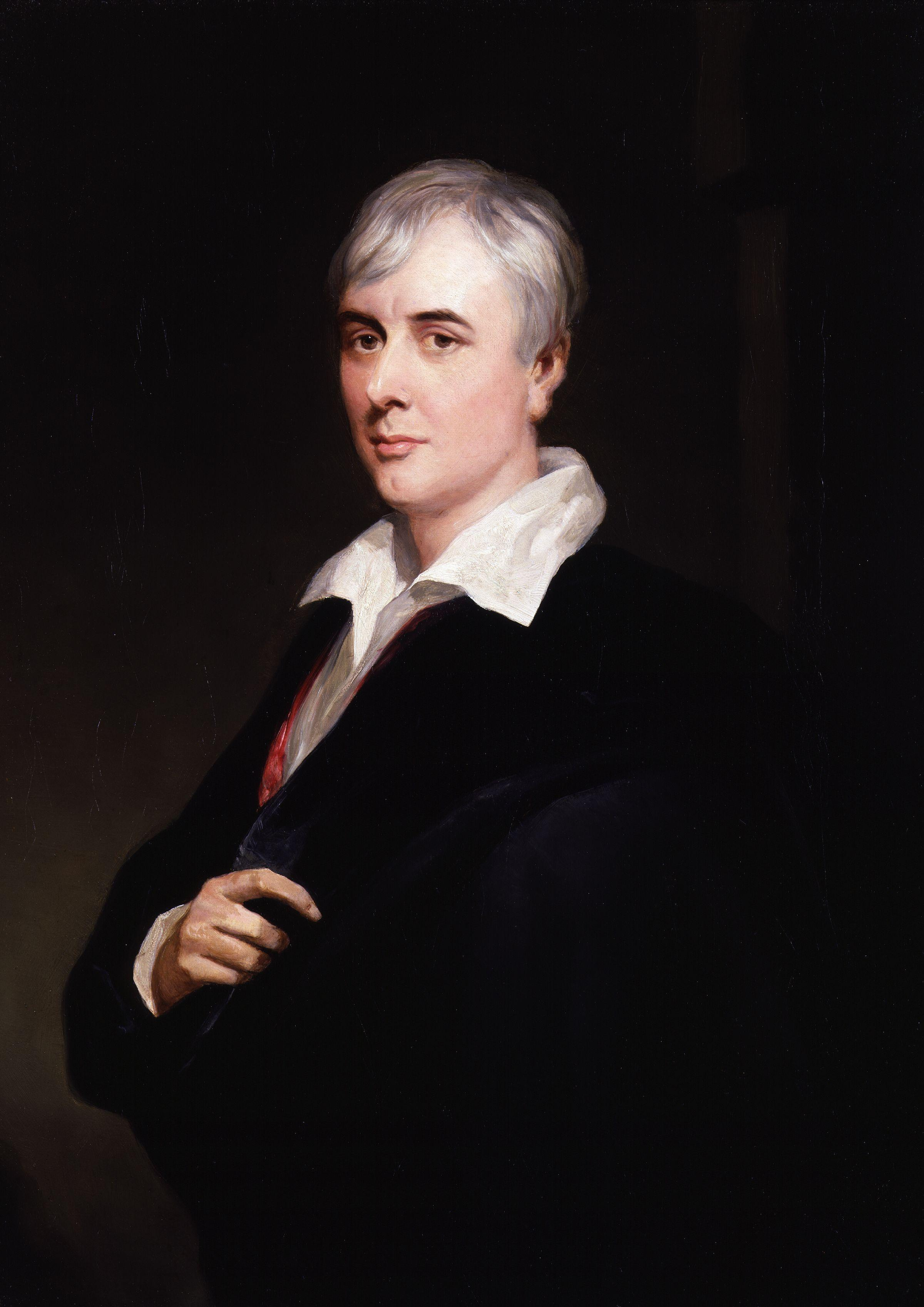
William Cowper
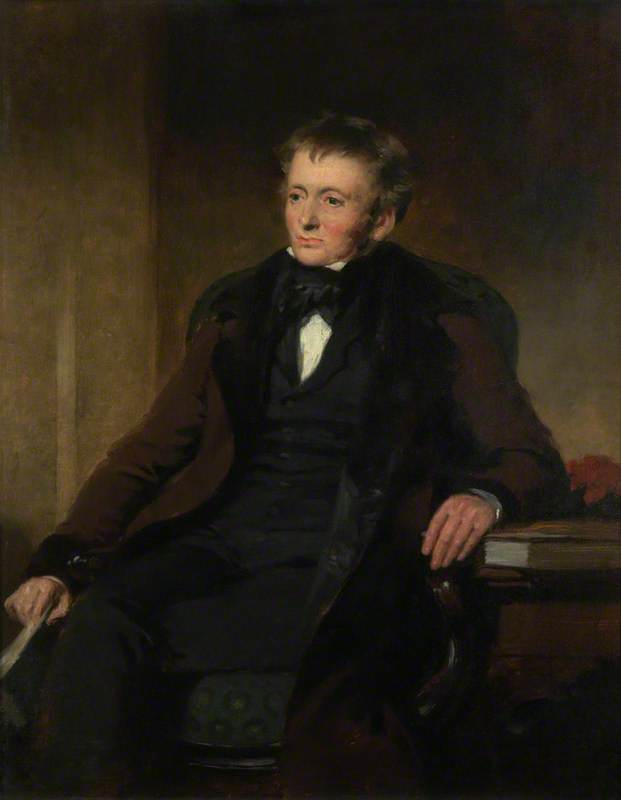
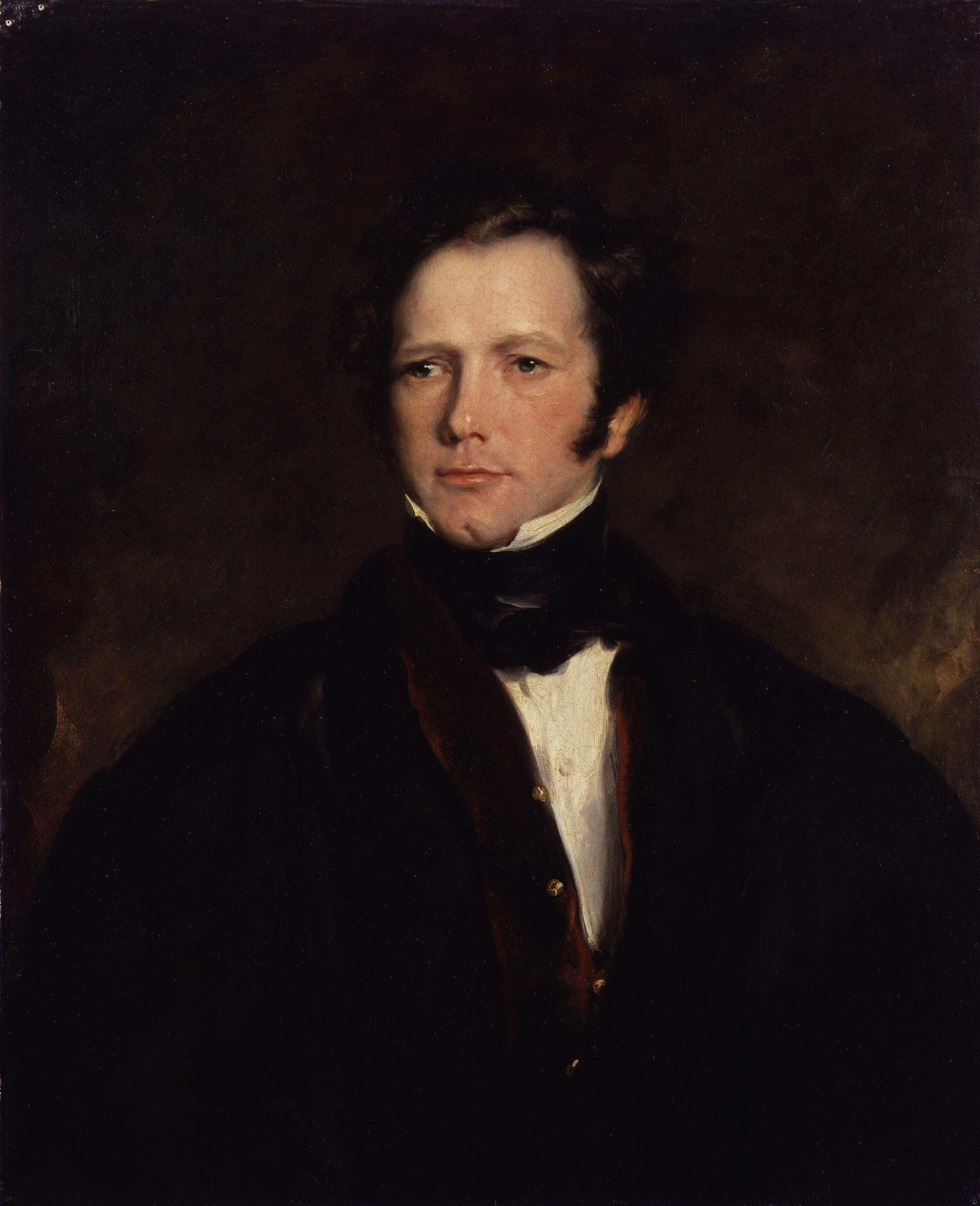
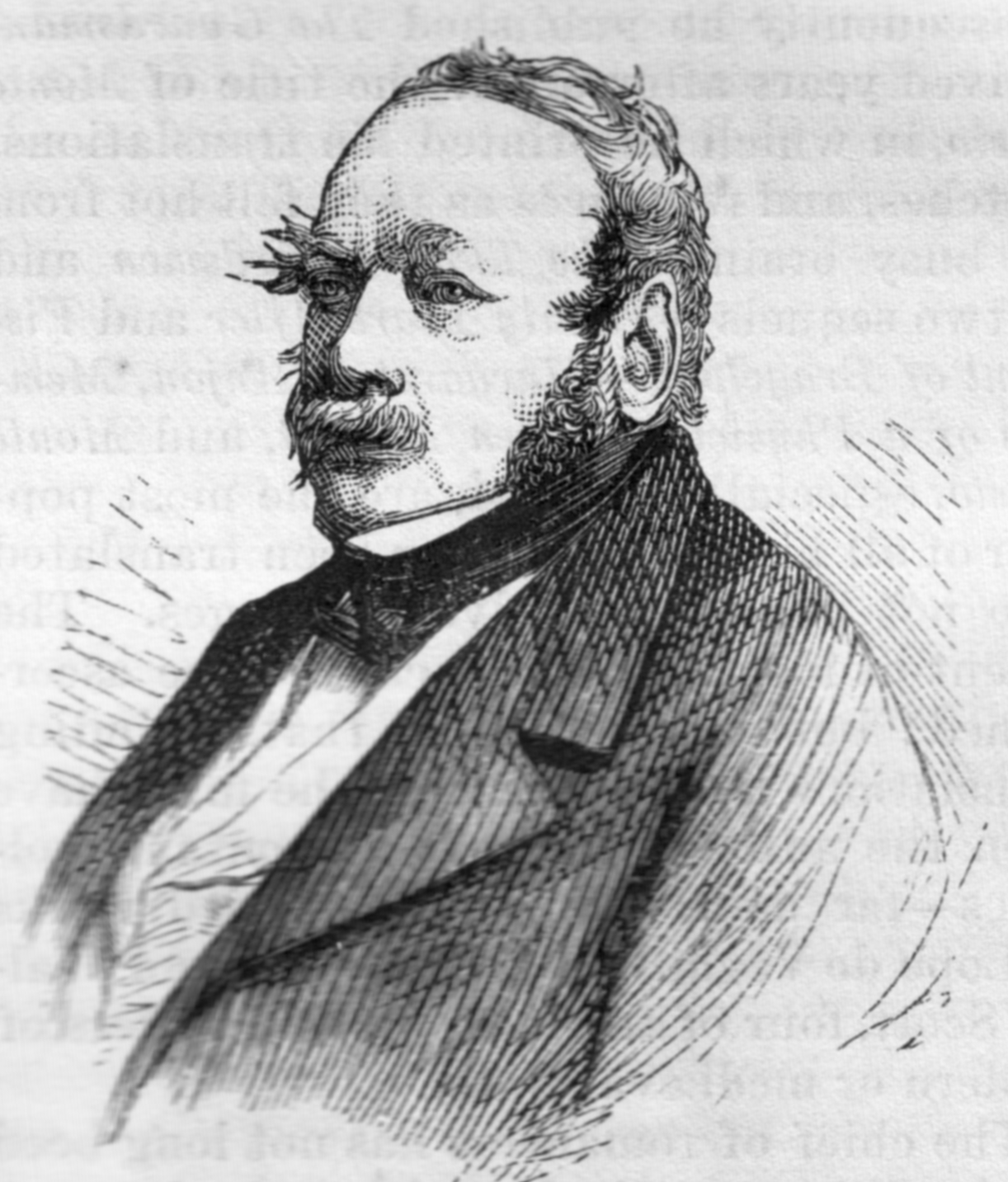
William Cowper was an influential English poet and hymnwriter whose work marked a significant shift in 18th-century poetry. Renowned for his vivid depictions of everyday life and the English countryside, Cowper's poetry laid the groundwork for the Romantic movement that followed. His notable works, including 'Yardley-Oak' and 'The Task', showcased his ability to blend personal experience with a deep appreciation for nature, earning him admiration from contemporaries like Samuel Taylor Coleridge and William Wordsworth. Cowper's exploration of themes such as mental health and faith resonated with many, making him a pivotal figure in the literary landscape of his time. Despite facing severe mental health challenges, including a period of institutionalization, Cowper's faith in evangelical Christianity provided him solace and inspiration. His struggle with doubt and fear of eternal damnation profoundly influenced his later works, particularly his religious hymns. Cowper's legacy endures not only through his poetry but also as a voice for those grappling with mental illness, highlighting the intersection of creativity and personal turmoil in the human experience.
Famous Quotes
View all 3 quotes“Variety's the very spice of life, that gives it all it's flavour.”
“God moves in mysterious ways His wonders to performs”
“There is in souls a sympathy with sounds: And as the mind is pitch'd the ear is pleased With melting airs, or martial, brisk or grave; Some chord in unison with what we hear Is touch'd within us, and the heart replies.”
Books from the author






Link to this page
Add a free, dofollow link to Lex on your blog, forum, syllabus, or reading list.

<a href="https://lex-books.com/author/william-cowper"><img src="https://lex-books.com/badges/read-on-lex.svg" alt="William Cowper on Lex" width="160" height="40"></a>[](https://lex-books.com/author/william-cowper)[url=https://lex-books.com/author/william-cowper][img]https://lex-books.com/badges/read-on-lex.svg[/img][/url]William Cowper on Lex: https://lex-books.com/author/william-cowper