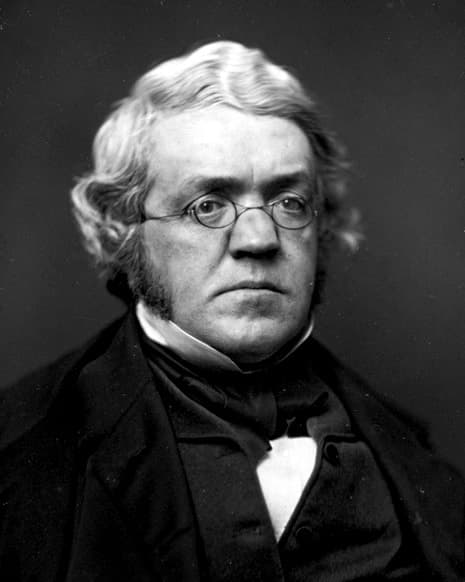
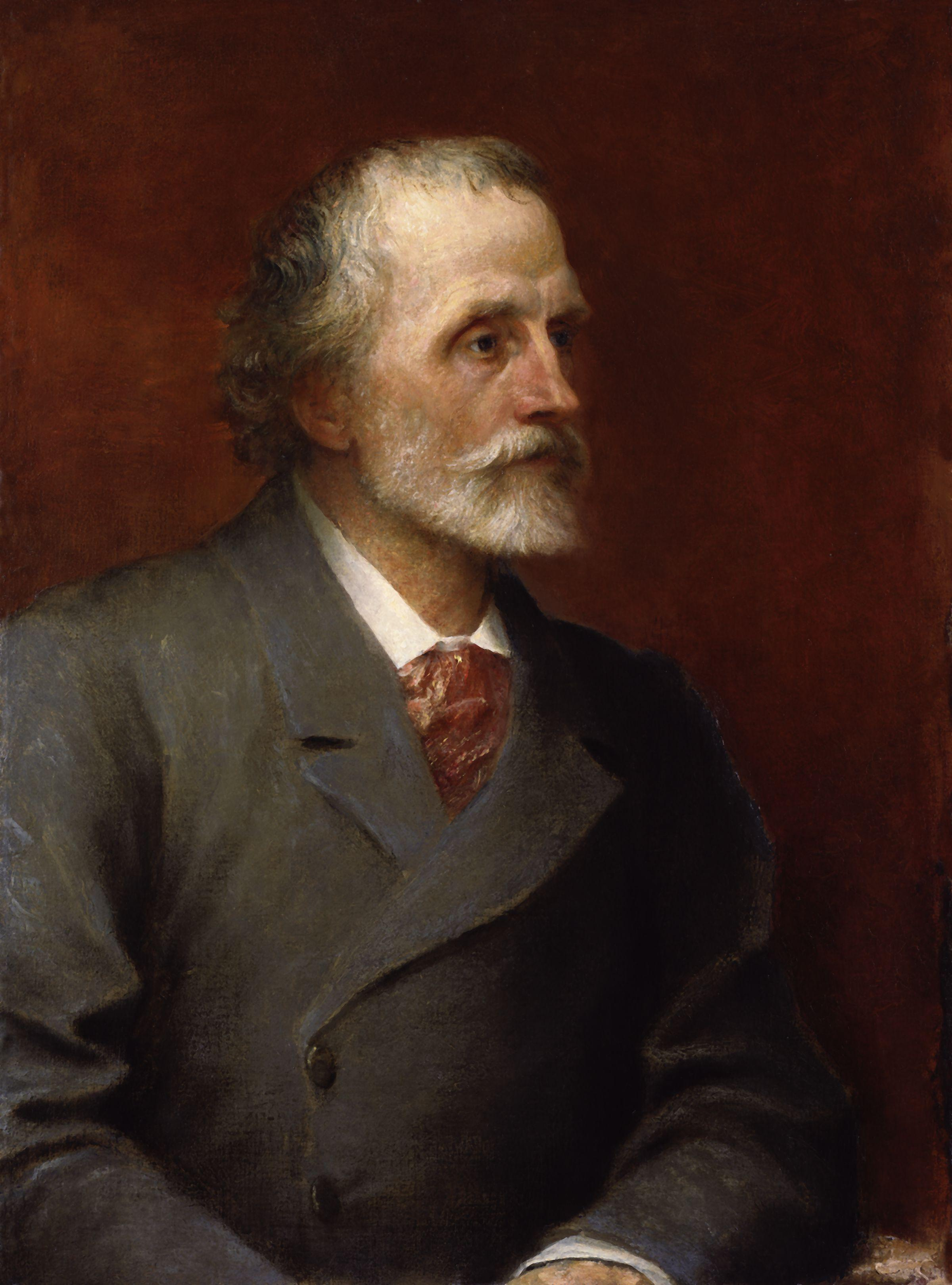
William Makepeace Thackeray
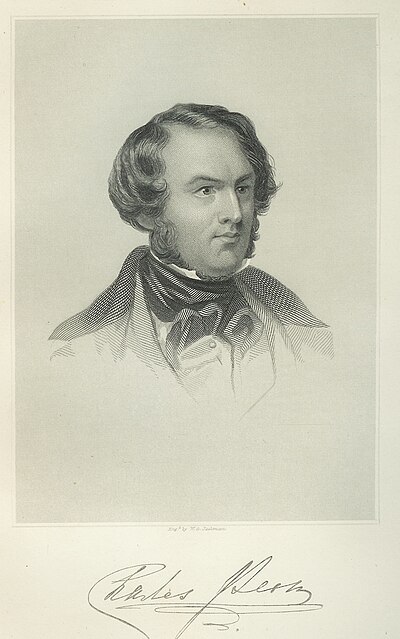
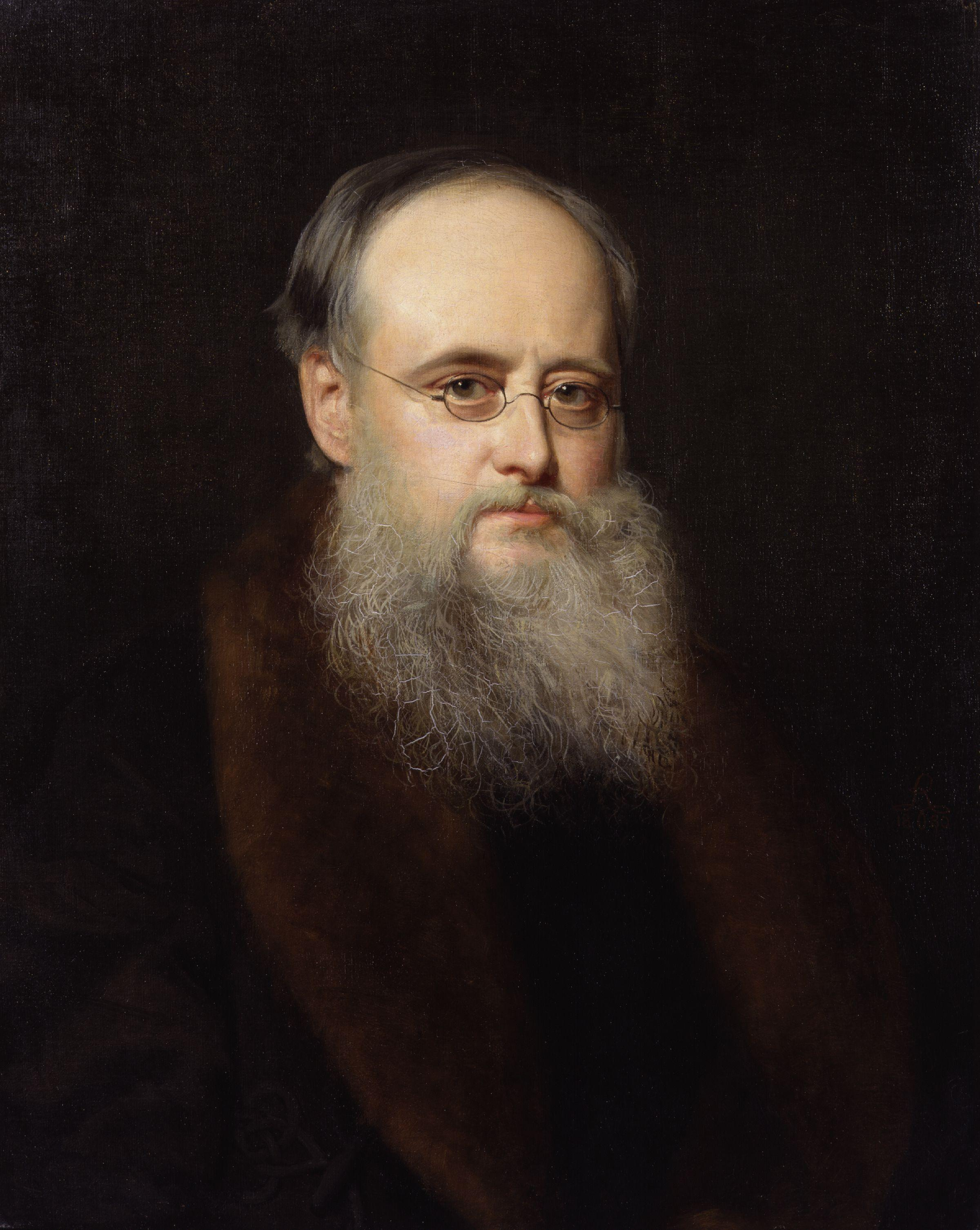
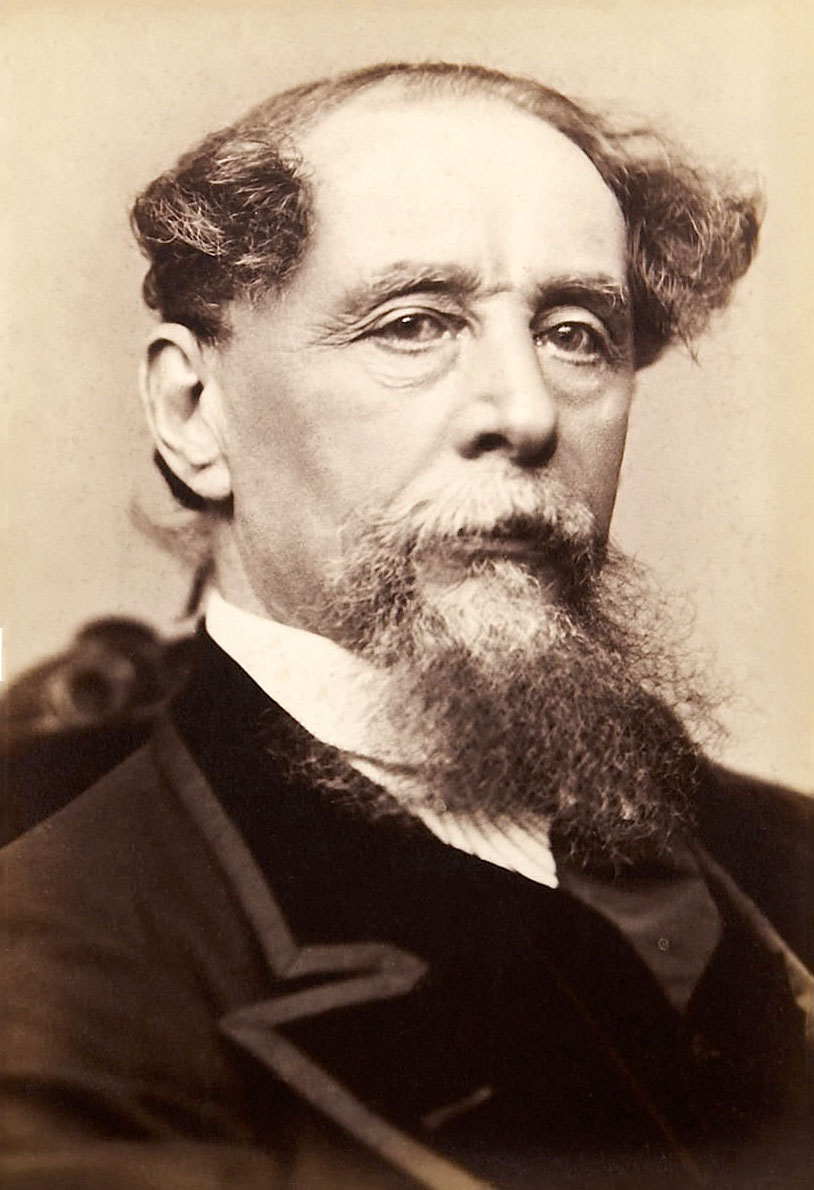
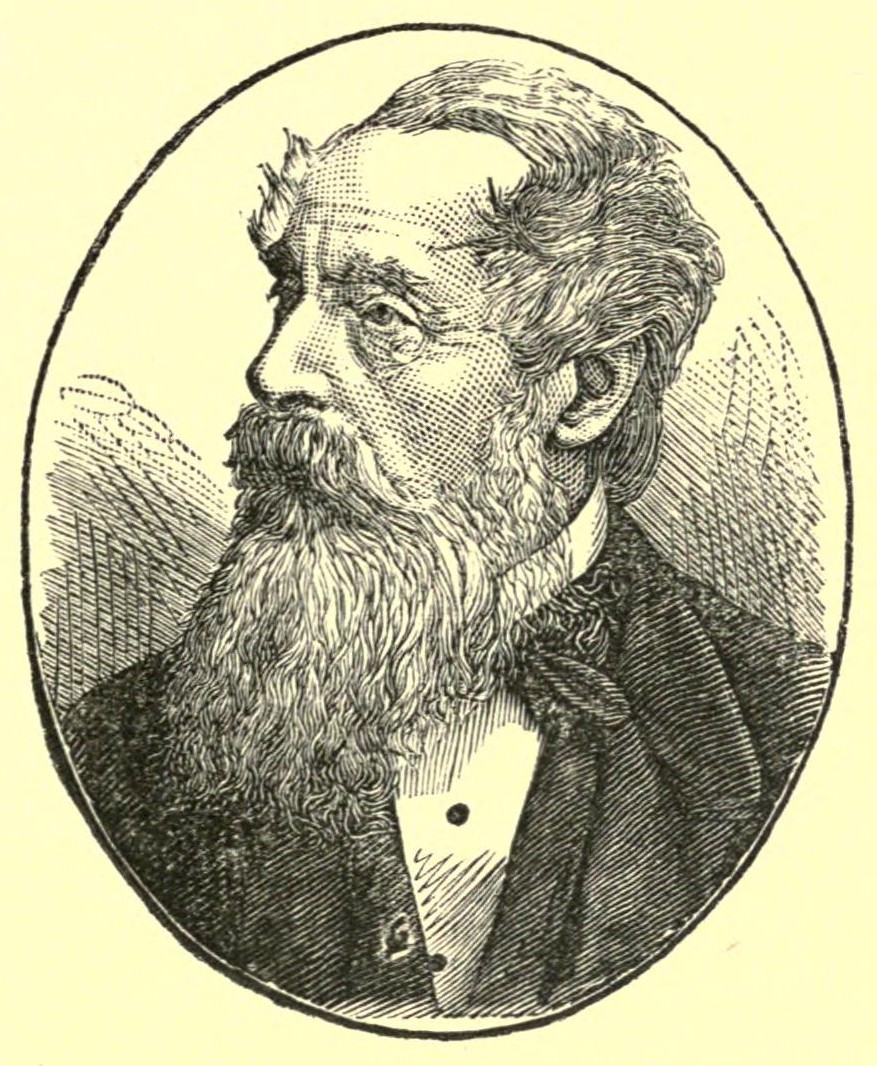
William Makepeace Thackeray was an influential English novelist and illustrator, renowned for his sharp satirical commentary on British society. Born in Calcutta, India, he moved to England after the death of his father and pursued an education that included time at Trinity College, Cambridge. However, Thackeray's early life was marked by financial struggles, gambling, and a series of unsuccessful ventures in journalism. He eventually found his voice as a writer, contributing to various publications, including Fraser's Magazine and Punch, while also supporting his family through his literary endeavors. Thackeray's most celebrated work, "Vanity Fair," published between 1847 and 1848, is a sprawling critique of social ambition and moral hypocrisy, featuring the memorable anti-heroine Becky Sharp. His other notable works include "The Luck of Barry Lyndon," which later inspired a film by Stanley Kubrick, and novels such as "Pendennis" and "The Newcomes," which reflect a more nuanced exploration of character development and societal critique. Although he was often overshadowed by his contemporary Charles Dickens during the Victorian era, Thackeray's legacy endures through his incisive portrayals of human folly and the complexities of social life, solidifying his place as a key figure in English literature.
Famous Quotes
View all 20 quotes“Life is a mirror: if you frown at it, it frowns back; if you smile, it returns the greeting.””
“To love and win is the best thing.To love and lose, the next best.””
“Good humor may be said to be one of the very best articles of dress one can wear in society.””
Books from the author





Link to this page
Add a free, dofollow link to Lex on your blog, forum, syllabus, or reading list.

<a href="https://lex-books.com/author/william-makepeace-thackeray"><img src="https://lex-books.com/badges/read-on-lex.svg" alt="William Makepeace Thackeray on Lex" width="160" height="40"></a>[](https://lex-books.com/author/william-makepeace-thackeray)[url=https://lex-books.com/author/william-makepeace-thackeray][img]https://lex-books.com/badges/read-on-lex.svg[/img][/url]William Makepeace Thackeray on Lex: https://lex-books.com/author/william-makepeace-thackeray