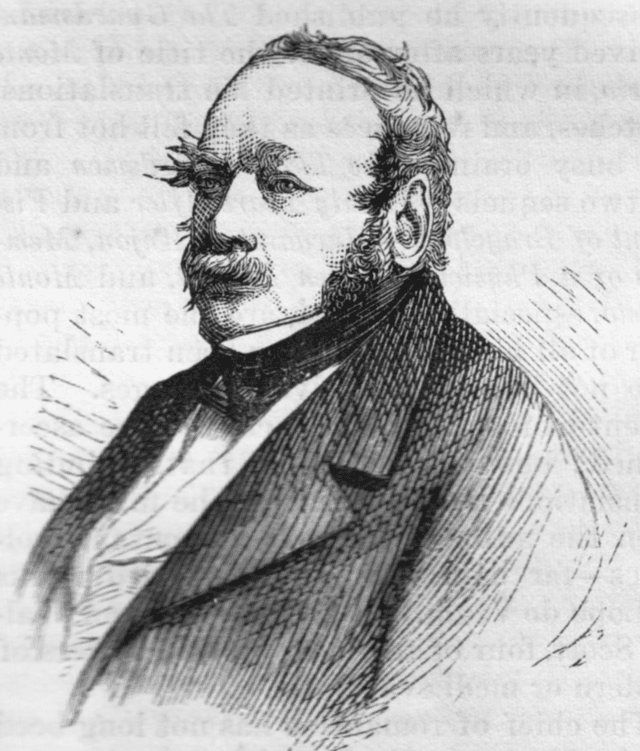
Paul de Kock
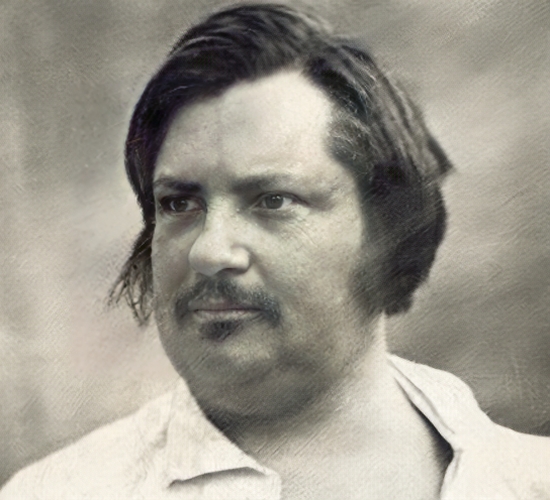
Paul de Kock was a French novelist renowned for his prolific output during the 19th century, particularly in the realm of popular literature. Born in Passy, Paris, he became a significant figure in the literary scene, producing a vast array of novels that captured the lives of the Parisian bourgeoisie and the complexities of urban life. His works, such as 'Monsieur de Camors' and 'La Femme de trente ans,' often blended elements of romance and social commentary, reflecting the mores and aspirations of his time. Despite his popularity, de Kock's writing was frequently dismissed by critics as low-brow and lacking in literary merit, a perception that has largely persisted into modern times. Despite the critical disdain, de Kock's novels were immensely popular among readers, making him one of the best-selling authors of his era. His ability to engage with contemporary social issues through accessible storytelling allowed him to resonate with a wide audience, even if his literary reputation suffered. Today, while his works are less known and have not been translated into English for over a century, de Kock's contributions to the development of the popular novel and his reflections on Parisian society remain noteworthy, marking him as a significant, if controversial, figure in the landscape of 19th-century literature.
Books from the author





Link to this page
Add a free, dofollow link to Lex on your blog, forum, syllabus, or reading list.

<a href="https://lex-books.com/author/paul-de-kock"><img src="https://lex-books.com/badges/read-on-lex.svg" alt="Paul de Kock on Lex" width="160" height="40"></a>[](https://lex-books.com/author/paul-de-kock)[url=https://lex-books.com/author/paul-de-kock][img]https://lex-books.com/badges/read-on-lex.svg[/img][/url]Paul de Kock on Lex: https://lex-books.com/author/paul-de-kock