The Task, and Other Poems
1889
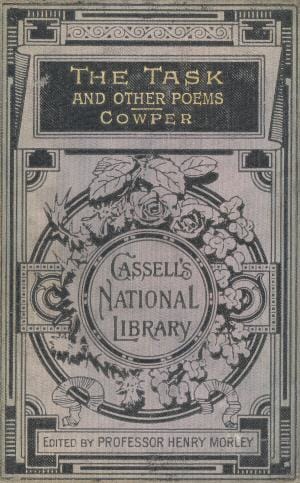
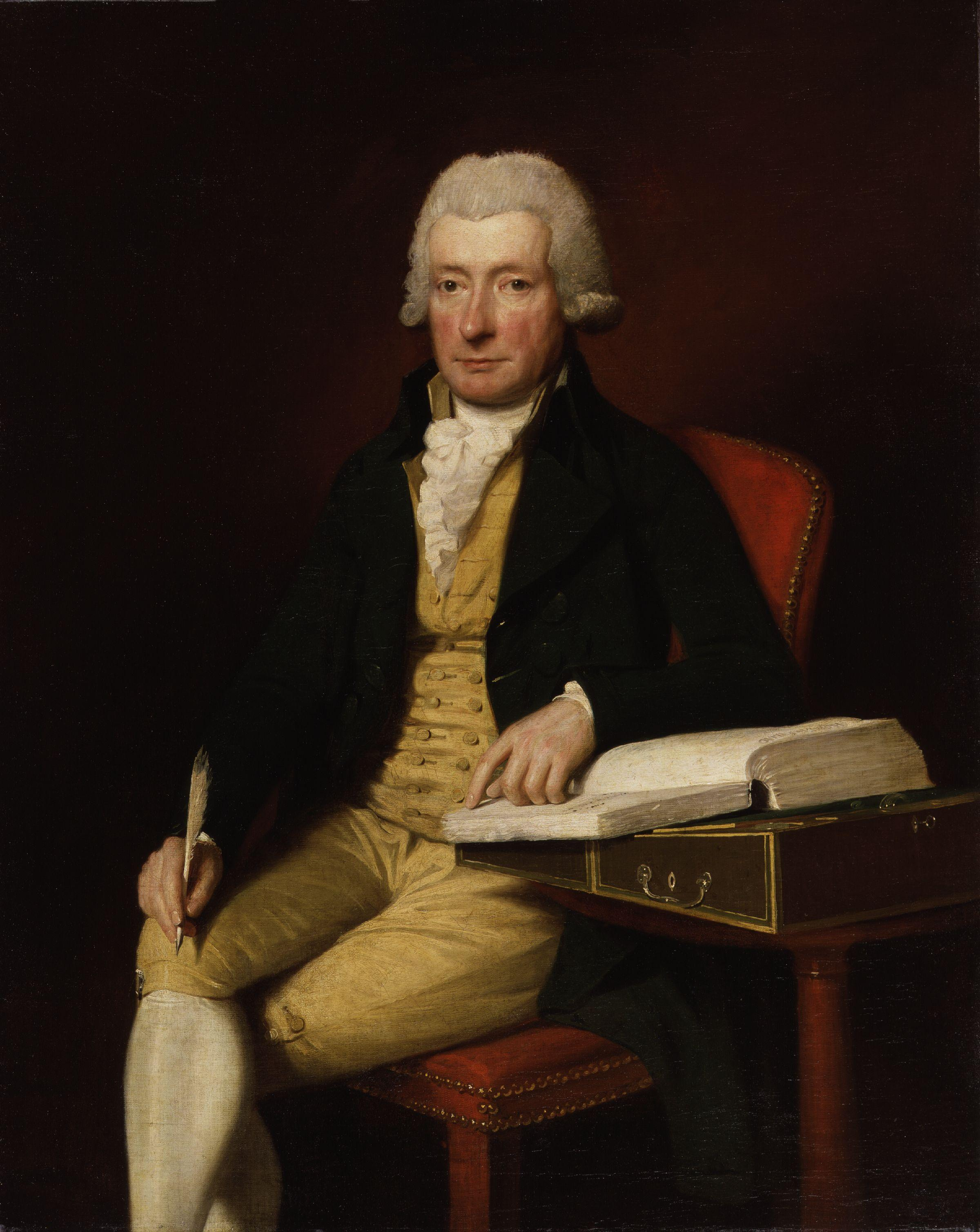
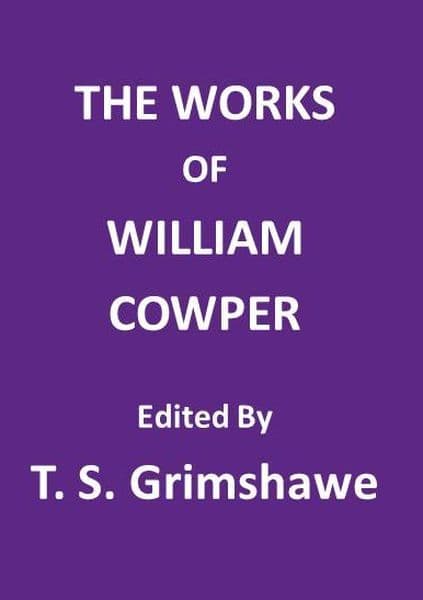
In the tradition of 18th-century meditative poetry, William Cowper's "The Task" opens with one of literature's most unexpected gambits: an ode to a sofa. What begins as playful homage to domestic comfort expands into something far deeper - a wandering meditation on nature, solitude, faith, and the quiet textures of English rural life. Cowper, whose own battles with melancholia gave his verse an unusual tenderness, finds wisdom in the humble pleasures of a walk through the fields, in the company of cats by the fire, in the turning of seasons. This is poetry that refuses the grand in favor of the genuine - a poet learning to be content in a world that offered him much sorrow. Cowper stands as a bridge between the Augustan age and the Romantics who would follow, and "The Task" shows why his influence endured: he proved that the deepest wisdom might be found not in great adventures but in the ordinary grace of a quiet life.
Editions
X-Ray
“Books are not seldom talismans and spells.””
— William Cowper
“Eternity for bubbles proves at last a senseless bargain.””
— William Cowper
Link to this book
Add a free, dofollow link to Lex on your blog, forum, syllabus, or reading list.

<a href="https://lex-books.com/book/the-task-and-other-poems-7b762691-222b-4609-9e12-672aca7bc3c5"><img src="https://lex-books.com/badges/read-on-lex.svg" alt="Read The Task, and Other Poems by William Cowper free on Lex" width="160" height="40"></a>[](https://lex-books.com/book/the-task-and-other-poems-7b762691-222b-4609-9e12-672aca7bc3c5)[url=https://lex-books.com/book/the-task-and-other-poems-7b762691-222b-4609-9e12-672aca7bc3c5][img]https://lex-books.com/badges/read-on-lex.svg[/img][/url]Read The Task, and Other Poems by William Cowper free on Lex: https://lex-books.com/book/the-task-and-other-poems-7b762691-222b-4609-9e12-672aca7bc3c5Cite this book
Reading this edition for a paper or guide? Copy a citation.
Cowper, William. The Task, and Other Poems. Lex, lex-books.com/book/the-task-and-other-poems-7b762691-222b-4609-9e12-672aca7bc3c5.Cowper, W. (1889). The Task, and Other Poems. Lex. https://lex-books.com/book/the-task-and-other-poems-7b762691-222b-4609-9e12-672aca7bc3c5Cowper, William. The Task, and Other Poems. Lex. https://lex-books.com/book/the-task-and-other-poems-7b762691-222b-4609-9e12-672aca7bc3c5.