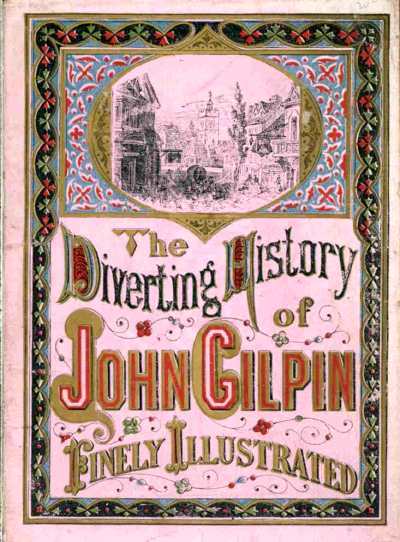
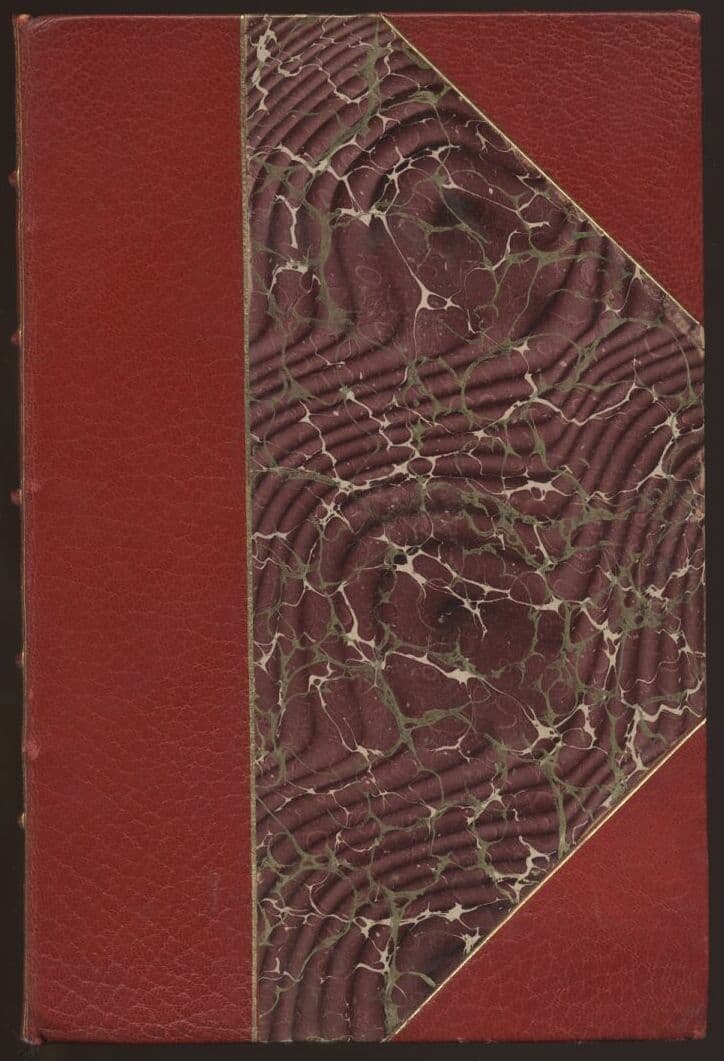
The Diverting History of John Gilpin: Showing How He Went Farther Than He Intended, and Came Safe Home Again
The Diverting History of John Gilpin: Showing How He Went Farther Than He Intended, and Came Safe Home Again
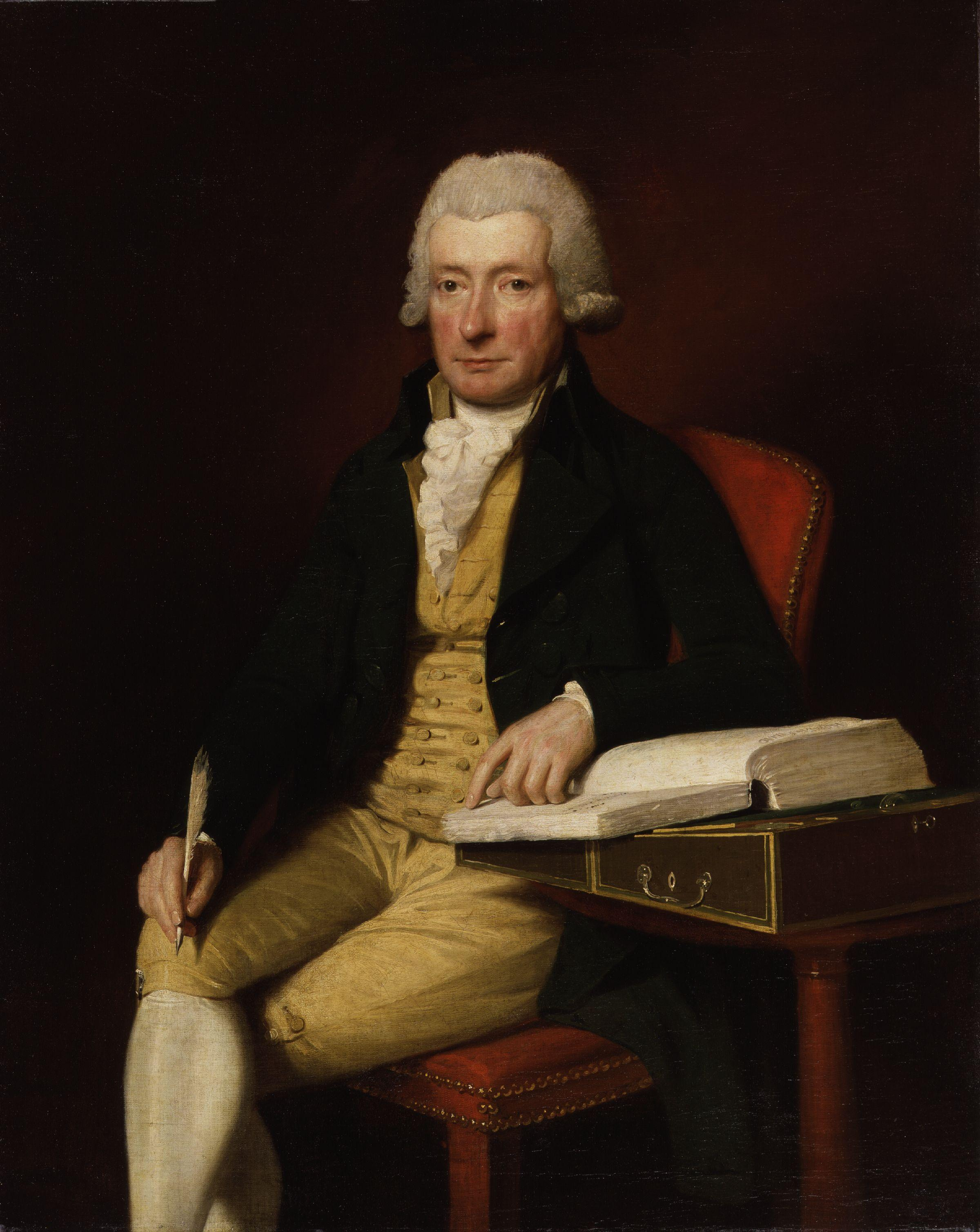
In 1782, William Cowper was drowning in despair. Then a friend told him the story of John Gilpin, a respectable draper who simply wanted to celebrate his wedding anniversary with a pleasant horseback ride and somehow ended up thundering through the English countryside on a runaway horse he couldn't control, much to the astonishment of every bystander in town. The poem that emerged from this moment of cheer was so funny that pirate copies flooded the streets of England within weeks, followed by Gilpin toys and merchandise. It remains one of the most purely joyful poems in the English language: a balletic disaster in five stanzaic acts, where Gilpin's dignity disintegrates in real time and every attempted rescue makes everything worse. The humor is structural, not decorative. Cowper builds catastrophe with the patience of a master, letting the absurdity accumulate until Gilpin becomes a figure of universal human comedy: the man who meant well, planned carefully, and still ended up miles from home with his hat gone and his reputation in ruins. Five generations of readers have laughed at John Gilpin. The Caldecott Medal, America's highest honor for children's illustration, literally depicts him on its face.
Editions
X-Ray
Link to this book
Add a free, dofollow link to Lex on your blog, forum, syllabus, or reading list.

<a href="https://lex-books.com/book/the-diverting-history-of-john-gilpin-showing-how-he-went-farther-than-he-intende-6c172eee-301e-4e59-ba56-d6dce27c2bb4"><img src="https://lex-books.com/badges/read-on-lex.svg" alt="Read The Diverting History of John Gilpin: Showing How He Went Farther Than He Intended, and Came Safe Home Again by William Cowper free on Lex" width="160" height="40"></a>[](https://lex-books.com/book/the-diverting-history-of-john-gilpin-showing-how-he-went-farther-than-he-intende-6c172eee-301e-4e59-ba56-d6dce27c2bb4)[url=https://lex-books.com/book/the-diverting-history-of-john-gilpin-showing-how-he-went-farther-than-he-intende-6c172eee-301e-4e59-ba56-d6dce27c2bb4][img]https://lex-books.com/badges/read-on-lex.svg[/img][/url]Read The Diverting History of John Gilpin: Showing How He Went Farther Than He Intended, and Came Safe Home Again by William Cowper free on Lex: https://lex-books.com/book/the-diverting-history-of-john-gilpin-showing-how-he-went-farther-than-he-intende-6c172eee-301e-4e59-ba56-d6dce27c2bb4Cite this book
Reading this edition for a paper or guide? Copy a citation.
Cowper, William. The Diverting History of John Gilpin: Showing How He Went Farther Than He Intended, and Came Safe Home Again. Lex, lex-books.com/book/the-diverting-history-of-john-gilpin-showing-how-he-went-farther-than-he-intende-6c172eee-301e-4e59-ba56-d6dce27c2bb4.Cowper, W. (n.d.). The Diverting History of John Gilpin: Showing How He Went Farther Than He Intended, and Came Safe Home Again. Lex. https://lex-books.com/book/the-diverting-history-of-john-gilpin-showing-how-he-went-farther-than-he-intende-6c172eee-301e-4e59-ba56-d6dce27c2bb4Cowper, William. The Diverting History of John Gilpin: Showing How He Went Farther Than He Intended, and Came Safe Home Again. Lex. https://lex-books.com/book/the-diverting-history-of-john-gilpin-showing-how-he-went-farther-than-he-intende-6c172eee-301e-4e59-ba56-d6dce27c2bb4.