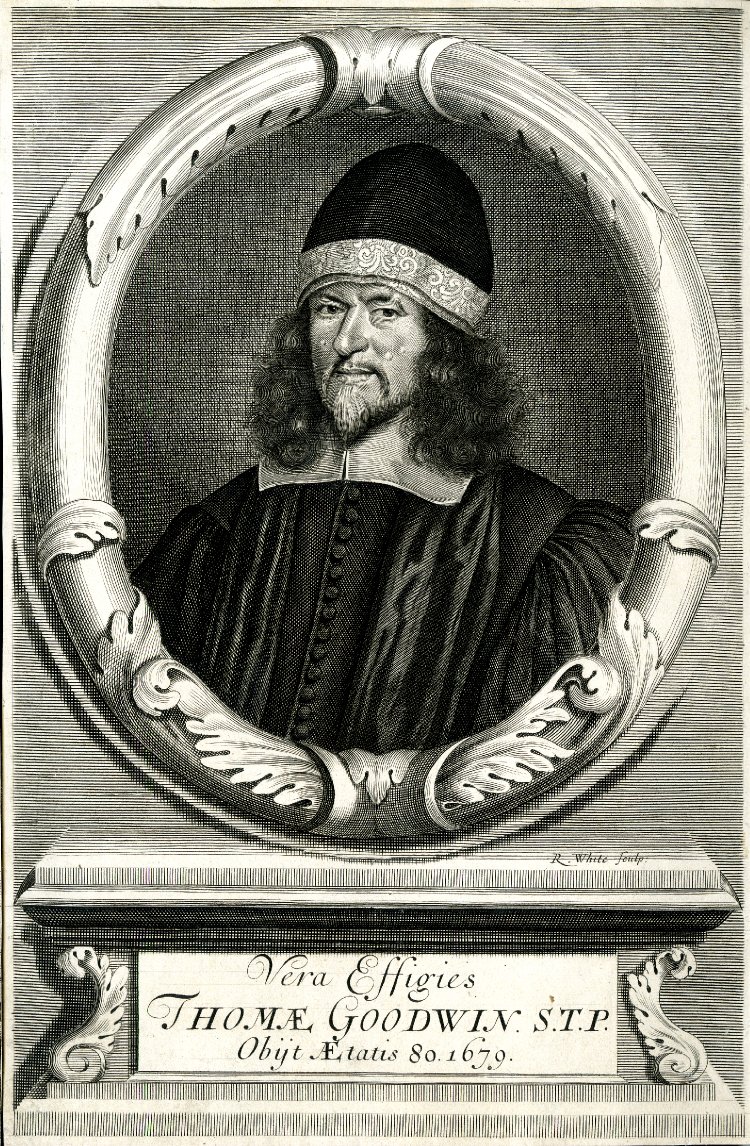
Thomas Goodwin
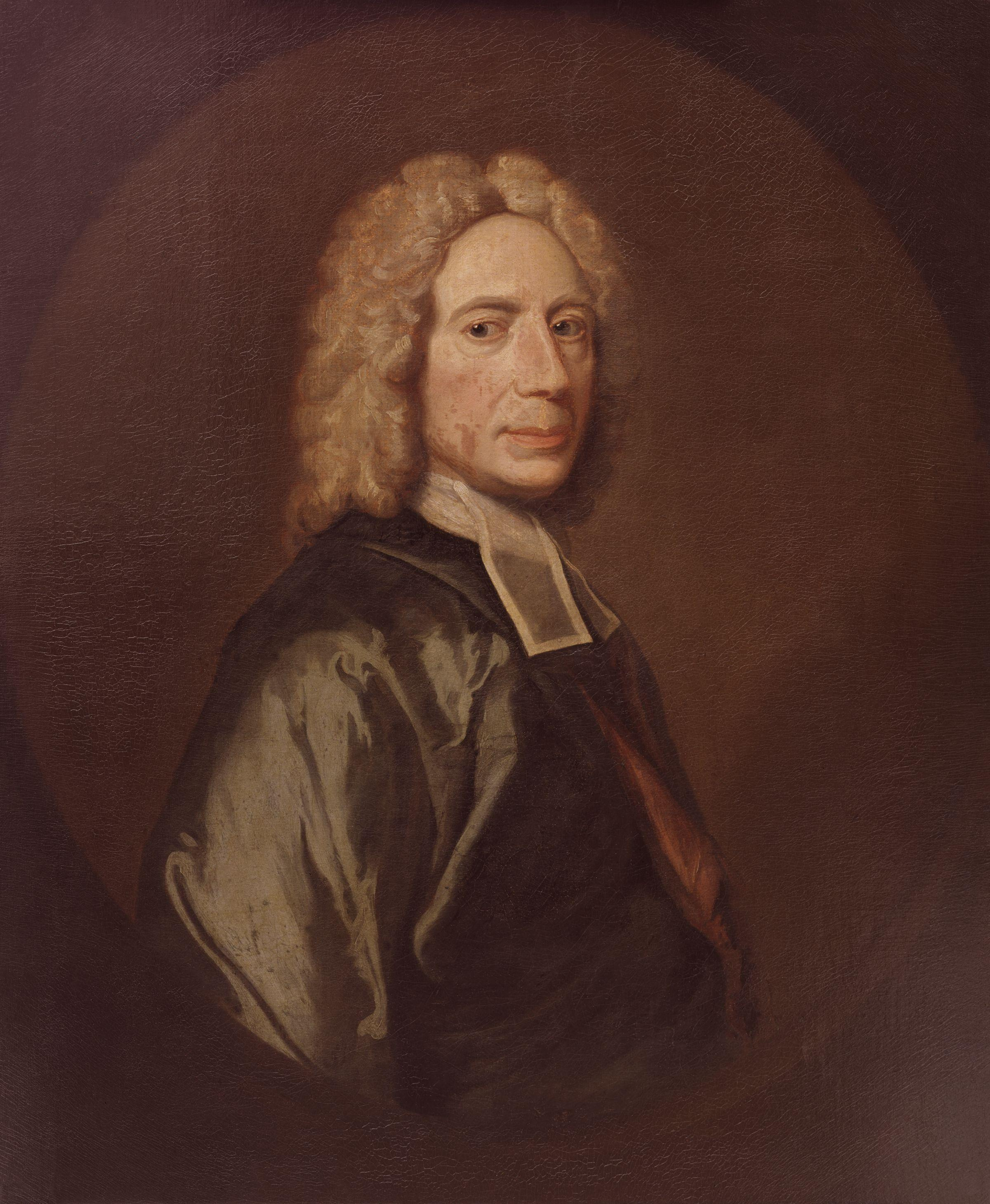
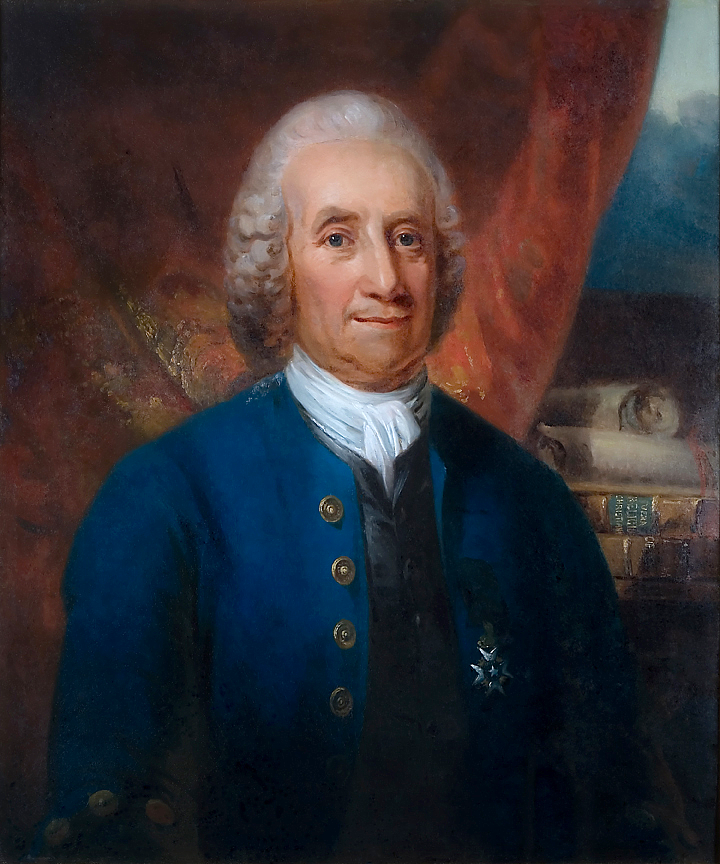
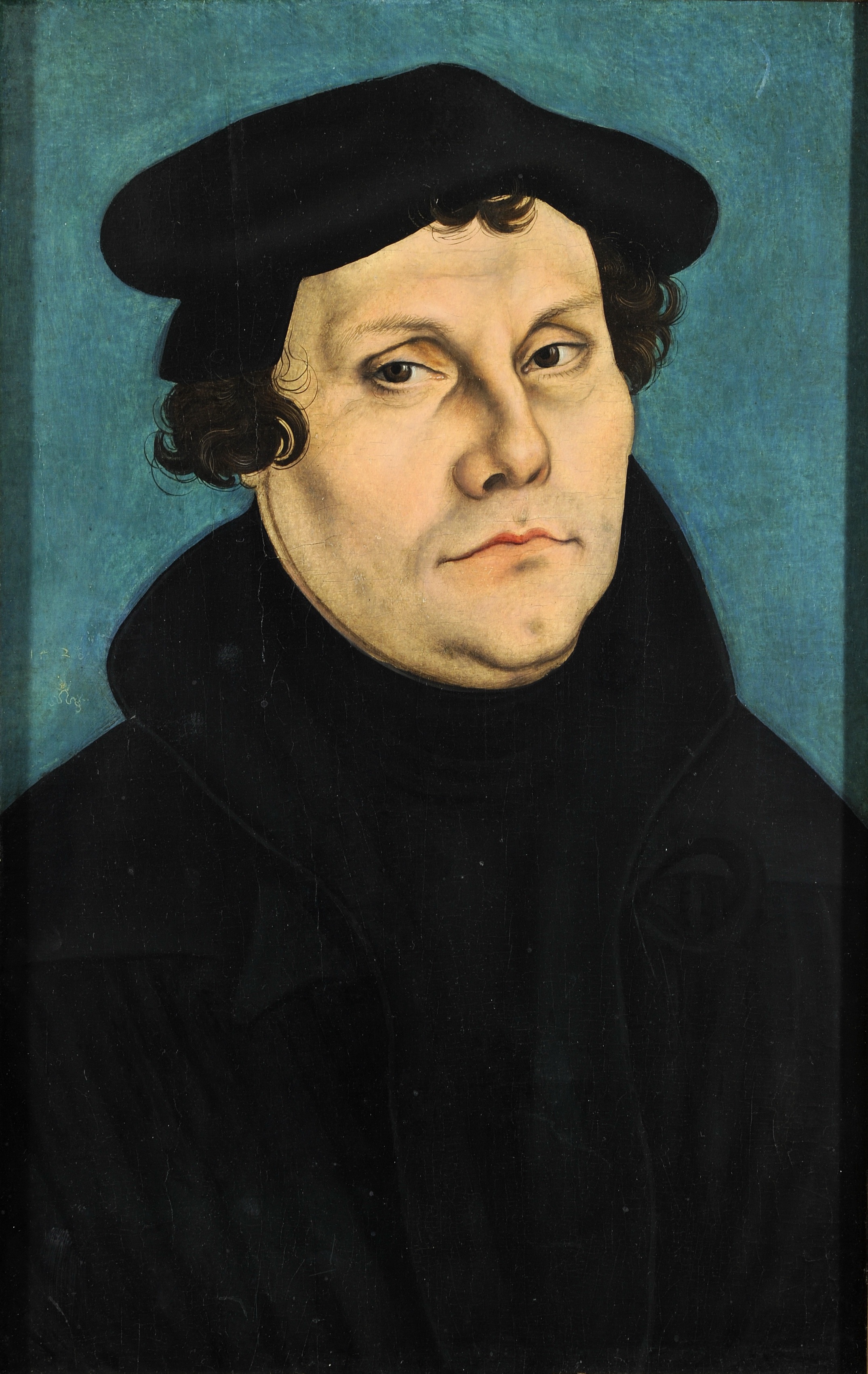
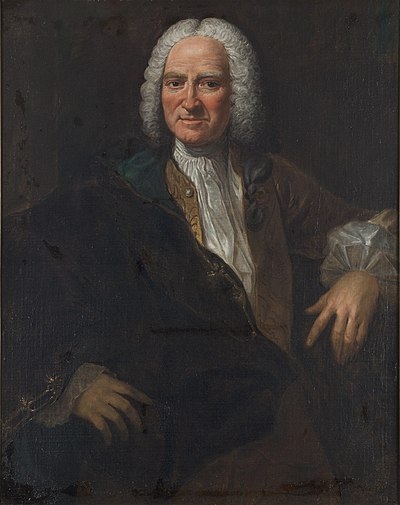
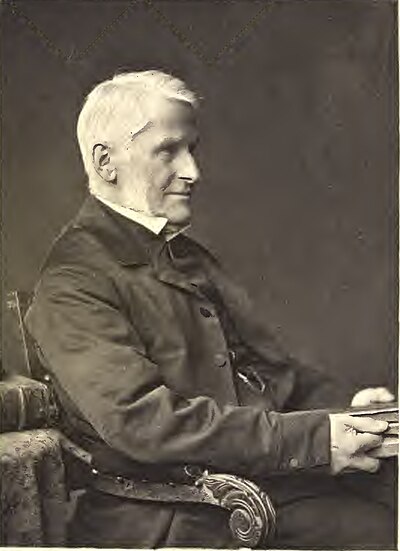
Thomas Goodwin was an influential English Puritan theologian and preacher, recognized for his significant contributions to the development of Independent thought during the tumultuous period of the English Civil War. Born in Rollesby, Norfolk, he became a prominent figure in the Puritan movement, advocating for a more personal and direct relationship with God, which resonated with many who sought reform within the Church of England. Goodwin's theological writings, including works such as "The Heart of Christ in Heaven" and "The Object and Acts of Justifying Faith," explored complex doctrines of grace and redemption, establishing him as a key voice in Puritan literature. Goodwin's role extended beyond theology; he served as chaplain to Oliver Cromwell, reflecting his influence in both religious and political spheres. His appointment as President of Magdalen College, Oxford, by Parliament in 1650 further solidified his standing among the Independents. Christopher Hill noted that Goodwin was integral to the main stream of Puritan thought, and his legacy continues to impact Reformed theology. His works remain a testament to the fervent religious spirit of his time, and he is remembered as a pivotal figure in shaping the course of English Puritanism.
Famous Quotes
View all 18 quotes“Those blessings are sweetest that are won with prayer and worn with thanks.””
“The most thankful person is the most fully human.””
“Our prayers are granted as soon as we have prayed, even though the process of fulfilling our requests has not yet begun.””
Books from the author



Link to this page
Add a free, dofollow link to Lex on your blog, forum, syllabus, or reading list.

<a href="https://lex-books.com/author/thomas-goodwin"><img src="https://lex-books.com/badges/read-on-lex.svg" alt="Thomas Goodwin on Lex" width="160" height="40"></a>[](https://lex-books.com/author/thomas-goodwin)[url=https://lex-books.com/author/thomas-goodwin][img]https://lex-books.com/badges/read-on-lex.svg[/img][/url]Thomas Goodwin on Lex: https://lex-books.com/author/thomas-goodwin