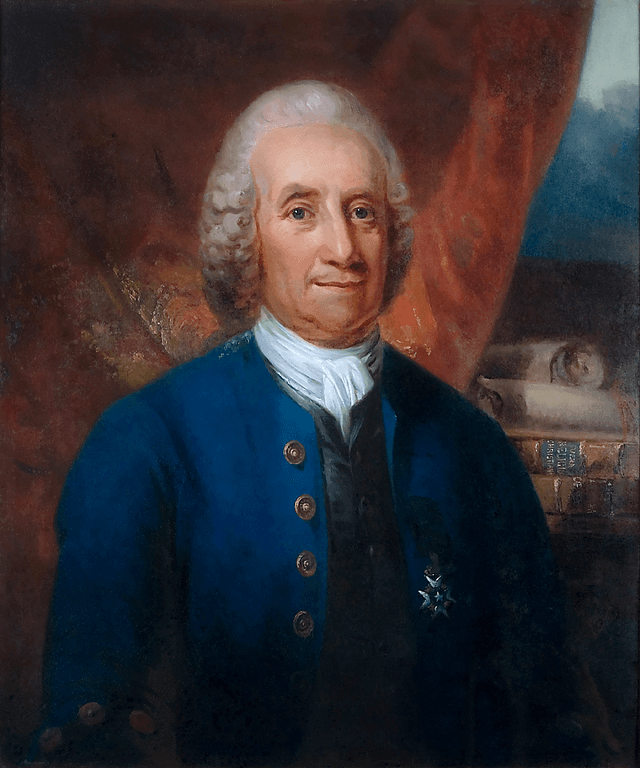
Emanuel Swedenborg
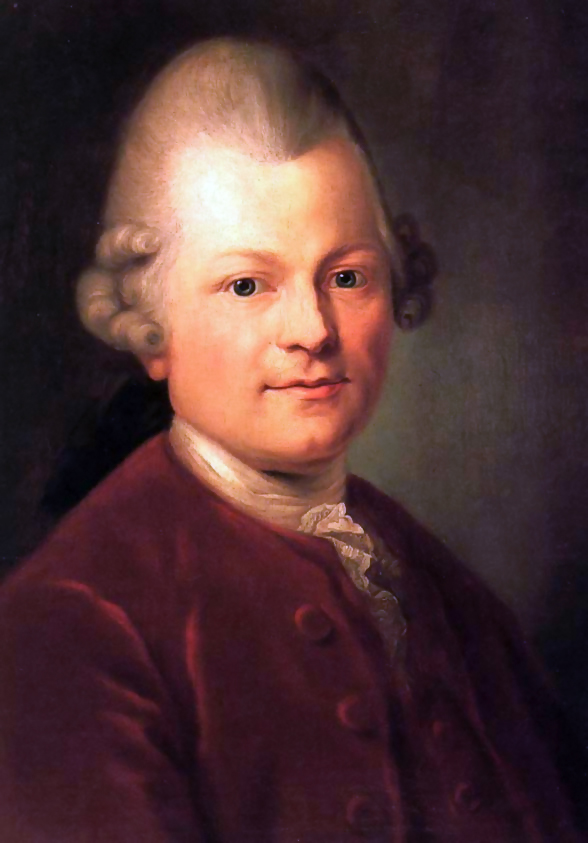
Emanuel Swedenborg was a Swedish polymath whose diverse contributions spanned science, engineering, and theology. Initially known for his work as an inventor and scientist, he published numerous scientific treatises and made significant advancements in fields such as anatomy and astronomy. However, at the age of 53, Swedenborg experienced a profound spiritual awakening that shifted the trajectory of his life. This transformation led him to explore mystical visions and revelations, culminating in his influential theological writings. His most notable work, 'Heaven and Hell' (1758), delved into the nature of the afterlife and the spiritual realm, establishing him as a key figure in Christian mysticism. Swedenborg's theological contributions were extensive, with 18 published works that articulated his beliefs about the divine and the nature of humanity's relationship with God. He claimed that he had been appointed by Jesus Christ to reform Christianity, asserting that he could communicate with angels and spirits. His writings laid the foundation for the New Church, or Swedenborgianism, a Christian denomination that emerged after his death and continues to honor his insights as divinely inspired. Swedenborg's unique blend of science and spirituality has left a lasting legacy, influencing various religious movements and thinkers, and his explorations of the afterlife continue to intrigue scholars and spiritual seekers alike.
Famous Quotes
View all 2 quotes“Love consists in desiring to give what is our own to another and feeling his delight as our own”
“Kindness is an inner desire that makes us want to do good things even if we do not get anything in return. It is the joy of our life to do them. When we do good things from this inner desire, there is kindness in everything we think, say, want, and do.”
Books from the author








Link to this page
Add a free, dofollow link to Lex on your blog, forum, syllabus, or reading list.

<a href="https://lex-books.com/author/emanuel-swedenborg"><img src="https://lex-books.com/badges/read-on-lex.svg" alt="Emanuel Swedenborg on Lex" width="160" height="40"></a>[](https://lex-books.com/author/emanuel-swedenborg)[url=https://lex-books.com/author/emanuel-swedenborg][img]https://lex-books.com/badges/read-on-lex.svg[/img][/url]Emanuel Swedenborg on Lex: https://lex-books.com/author/emanuel-swedenborg