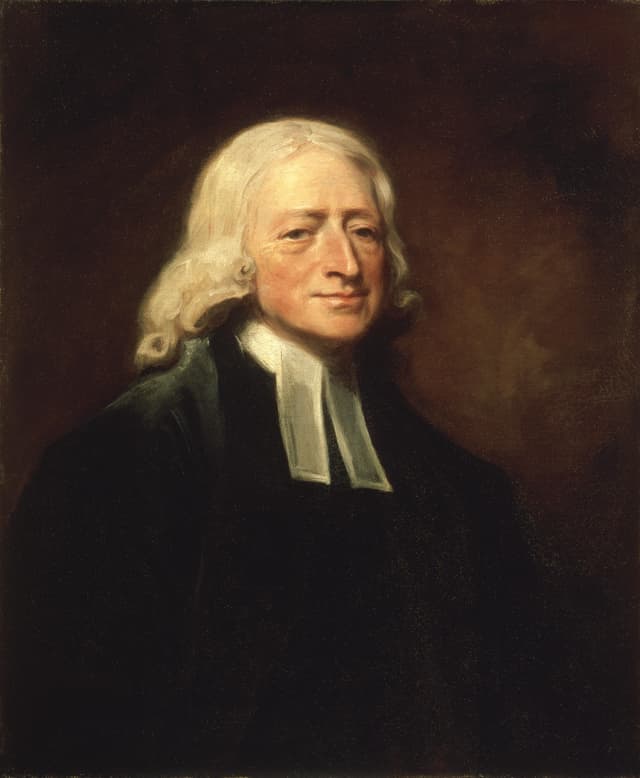
John Wesley
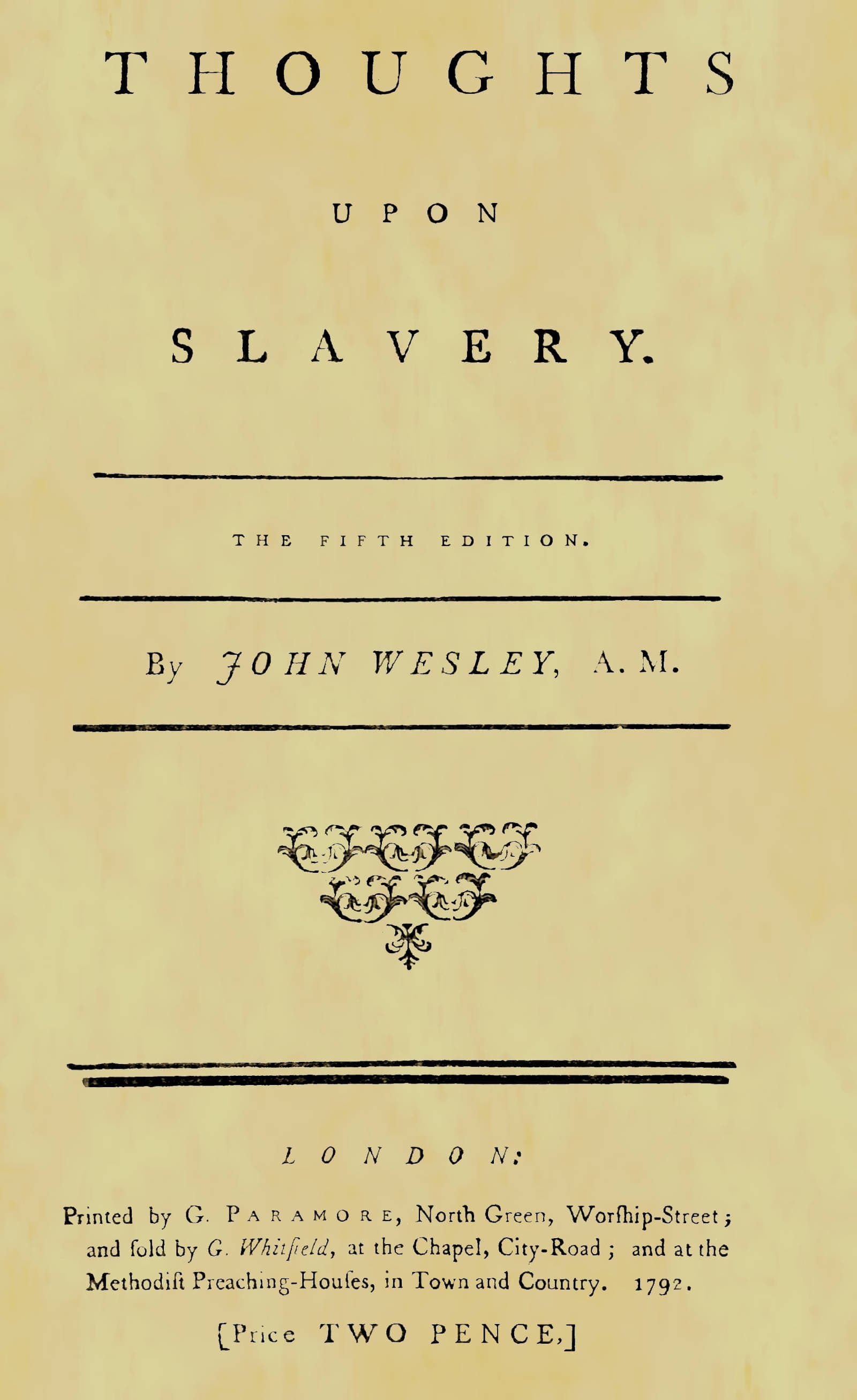
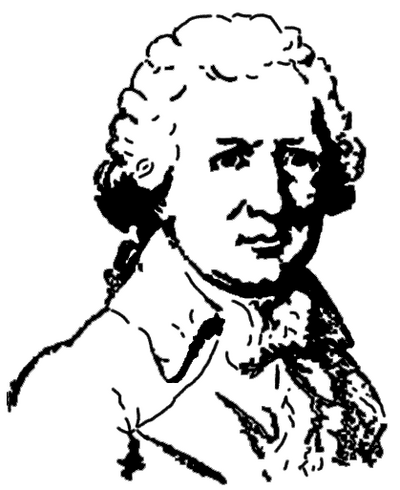
John Wesley was an influential English cleric, theologian, and evangelist, best known as a principal leader of the Methodist revival movement within the Church of England. Educated at Charterhouse and Christ Church, Oxford, he became a fellow at Lincoln College and was ordained as an Anglican priest in 1728. Wesley's early ministry included a stint in Savannah, Georgia, which proved unsuccessful, but it was his return to London and subsequent evangelical conversion in 1738 that marked a turning point in his life. He departed from the Moravian Christians and embarked on a mission to spread his interpretation of Christianity, emphasizing Arminian doctrines and personal piety. Wesley traveled extensively across Great Britain and Ireland, preaching outdoors and establishing small Christian groups that fostered accountability and discipleship. He appointed itinerant, unordained evangelists, including women, to lead these groups, which became a hallmark of the Methodist movement. Under his guidance, Methodism not only flourished as a religious movement but also took a stand on significant social issues, advocating for the abolition of slavery and supporting women in ministry. Wesley's legacy endures through the continued influence of Methodism, which remains a vital force in Christianity today.
Famous Quotes
View all 3 quotes“Do all the good you can, By all the means you can, In all the ways you can, In all the places you can, At all the times you can, To all the people you can, As long as ever you can.”
“What one generation tolerates, the next generation will embrace.”
“Unless God has raised you up for this very thing, you will be worn out by the opposition of men and devils. But if God be for you, who can be against you? Are all of them together stronger than God? O be not weary of well doing!”
Books from the author






Link to this page
Add a free, dofollow link to Lex on your blog, forum, syllabus, or reading list.

<a href="https://lex-books.com/author/john-wesley"><img src="https://lex-books.com/badges/read-on-lex.svg" alt="John Wesley on Lex" width="160" height="40"></a>[](https://lex-books.com/author/john-wesley)[url=https://lex-books.com/author/john-wesley][img]https://lex-books.com/badges/read-on-lex.svg[/img][/url]John Wesley on Lex: https://lex-books.com/author/john-wesley