Richard Hurd
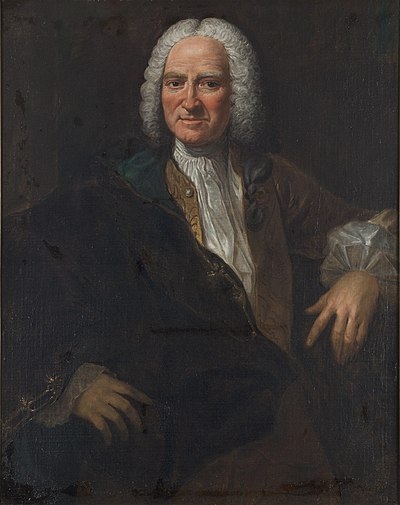
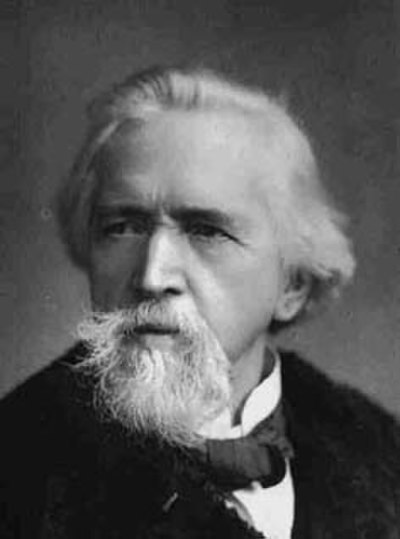
Richard Hurd was an English bishop, theologian, and literary critic known for his contributions to religious thought and literary analysis in the 18th century. Born in 1720, he was educated at Emmanuel College, Cambridge, where he developed a keen interest in theology and literature. Hurd's career included serving as the Bishop of Lichfield and Coventry, and he was recognized for his eloquent sermons and writings that often bridged the gap between faith and reason. His notable works include 'An Introduction to the Study of the Prophecies Concerning the Christian Religion,' which reflects his deep engagement with biblical texts and their interpretations, and 'The Works of Richard Hurd,' an extensive collection that showcases his critical insights into literature and theology across multiple volumes. Hurd's literary significance lies in his ability to intertwine theological discourse with literary criticism, making him a precursor to later thinkers who would explore the relationship between literature and faith. His analyses of poets and playwrights, particularly his reflections on Shakespeare, contributed to the evolving appreciation of English literature during his time. Hurd's work not only influenced contemporaries but also left a lasting legacy in the fields of theology and literary criticism, marking him as a notable figure in the intellectual landscape of the 18th century.
Books from the author



Link to this page
Add a free, dofollow link to Lex on your blog, forum, syllabus, or reading list.

<a href="https://lex-books.com/author/richard-hurd"><img src="https://lex-books.com/badges/read-on-lex.svg" alt="Richard Hurd on Lex" width="160" height="40"></a>[](https://lex-books.com/author/richard-hurd)[url=https://lex-books.com/author/richard-hurd][img]https://lex-books.com/badges/read-on-lex.svg[/img][/url]Richard Hurd on Lex: https://lex-books.com/author/richard-hurd