John Lord
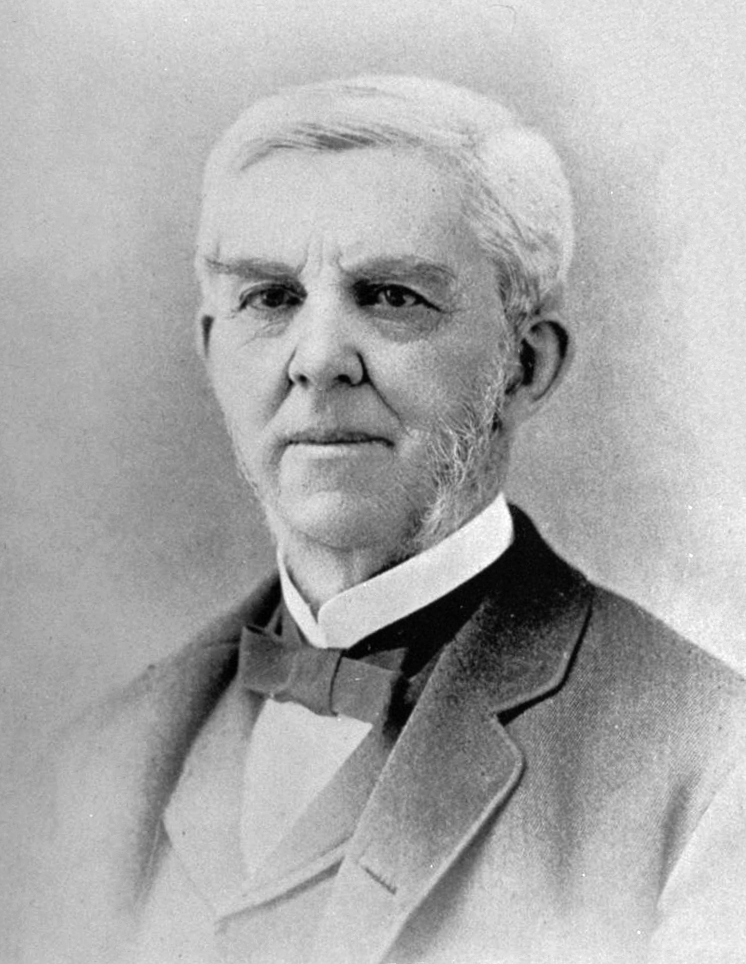
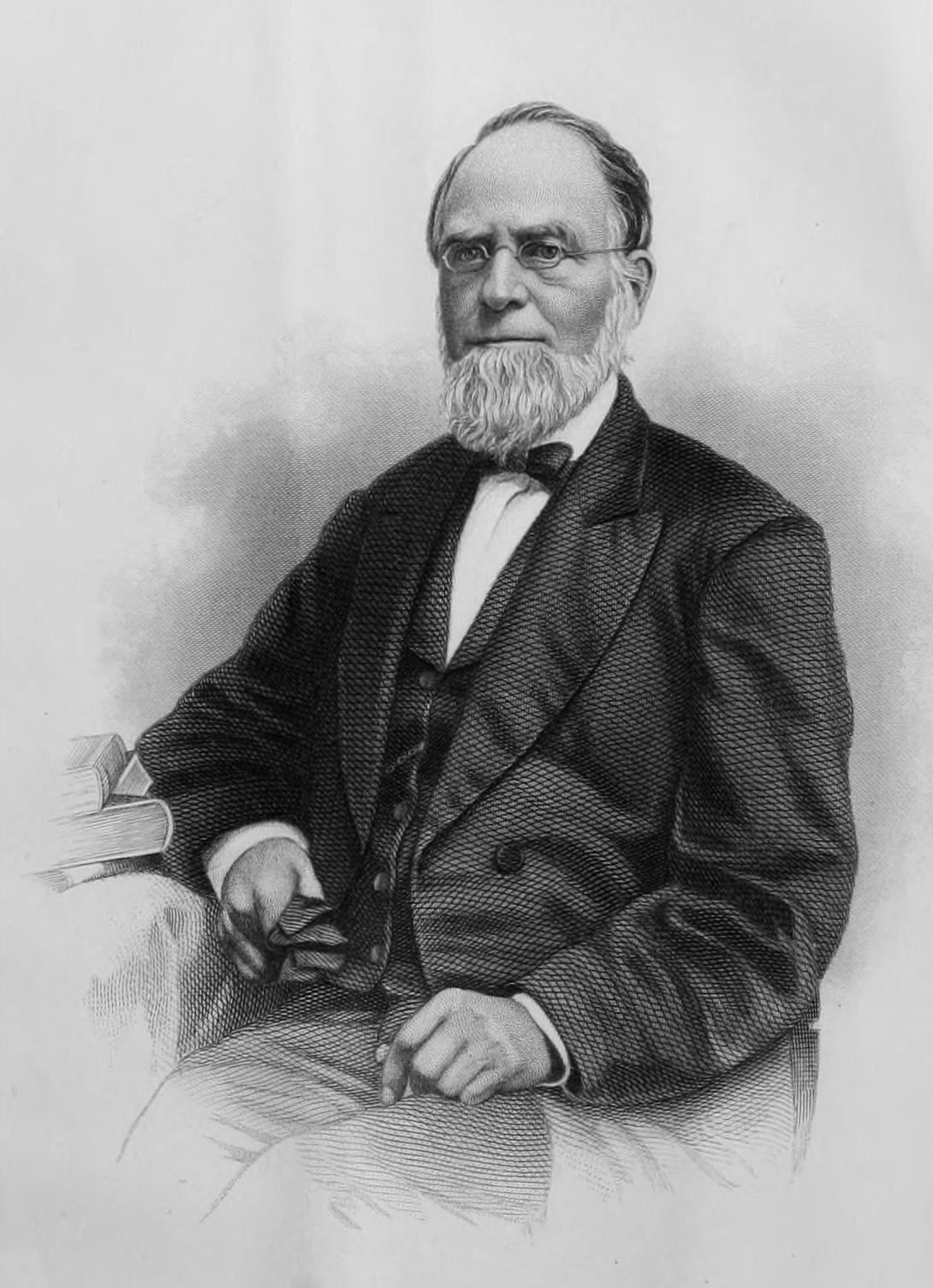
John Lord was an American historian and educator known for his contributions to the field of history in the 19th century. He gained prominence with his work 'Ancient States and Empires: For Colleges and Schools,' which served as an educational resource, providing students with insights into the political and cultural developments of ancient civilizations. Lord's writing was characterized by a clear narrative style that made complex historical events accessible to a broader audience, reflecting his commitment to education and the dissemination of knowledge. In addition to his work on ancient history, Lord was also involved in various educational initiatives and served as a professor at several institutions. His efforts to promote historical understanding in academic settings underscored the importance of history in shaping contemporary society. Through his writings and teachings, John Lord left a lasting impact on the study of history, influencing both students and educators in the pursuit of historical knowledge and critical thinking.
Famous Quotes
View all 13 quotes“There are two novels that can change a bookish fourteen-year old’s life: and One is a childish fantasy that often engenders a lifelong obsession with its unbelievable heroes, leading to an emotionally stunted, socially crippled adulthood, unable to deal with the real world. The other, of course, involves orcs."[, blog post, March 19, 2009]””
“I don’t like anything here at all.” said Frodo, “step or stone, breath or bone. Earth, air and water all seem accursed. But so our path is laid.”“Yes, that’s so,” said Sam, “And we shouldn’t be here at all, if we’d known more about it before we started. But I suppose it’s often that way. The brave things in the old tales and songs, Mr. Frodo, adventures, as I used to call them. I used to think that they were things the wonderful folk of the stories went out andlooked for, because they wanted them, because they were exciting and life was a bit dull, a kind of a sport, as you might say. But that’s not the way of it with the tales that really mattered, or the ones that stay in the mind. Folk seem to have been just landed in them, usually their paths were laid that way, as you put it. But I expect they had lots of chances, like us, of turning back, only they didn’t. And if they had, we shouldn’t know, because they’d have been forgotten. We hear about those as just went on, and not all to a good end, mind you; at least not to what folk inside a story and not outside it call a good end. You know, coming home, and finding things all right, though not quite the same; like old Mr Bilbo. But those aren’t always the best tales to hear, though they may be the best tales to get landed in! I wonder what sort of a tale we’ve fallen into?”“I wonder,” said Frodo, “But I don’t know. And that’s the way of a real tale. Take any one that you’re fond of. You may know, or guess, what kind of a tale it is, happy-ending or sad-ending, but the people in it don’t know. And you don’t want them to.””
“If our testimonies are strong onthis point and if we feel the absolute assurance that God loves us, we will change our questons. We won't ask, 'Why did this happen?' or 'Why doesn't God care about me?' Instead, our questions will become, 'What can I learn from this experience?' or 'How does the Lord want me to handle this?””
Books from the author



Link to this page
Add a free, dofollow link to Lex on your blog, forum, syllabus, or reading list.

<a href="https://lex-books.com/author/john-lord"><img src="https://lex-books.com/badges/read-on-lex.svg" alt="John Lord on Lex" width="160" height="40"></a>[](https://lex-books.com/author/john-lord)[url=https://lex-books.com/author/john-lord][img]https://lex-books.com/badges/read-on-lex.svg[/img][/url]John Lord on Lex: https://lex-books.com/author/john-lord