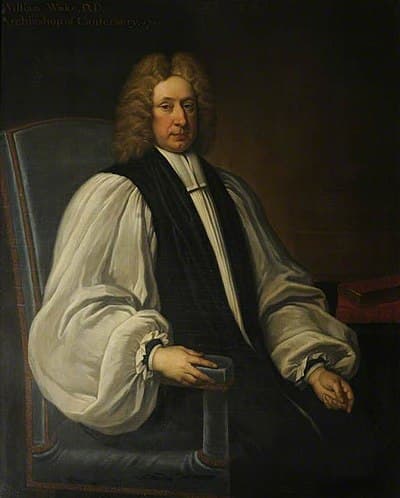
William Wake
William Wake was a prominent figure in the Church of England, serving as a minister and ultimately becoming the Archbishop of Canterbury from 1716 until his death in 1737. Born in 1657, Wake was educated at St. John's College, Oxford, where he developed a strong foundation in theology and ecclesiastical matters. His early career included various clerical positions, where he gained a reputation for his eloquence and commitment to the Anglican faith. Throughout his life, he was known for his efforts to promote the church's interests and address the challenges of his time, including the tensions between different religious factions in England. As Archbishop, Wake played a crucial role in the church's governance and was involved in significant theological debates of the period. He was a staunch advocate for the Anglican tradition and worked to maintain its influence amidst the growing dissent from nonconformist movements. His leadership was marked by a commitment to the unity of the church and the promotion of its doctrines. Wake's legacy includes his contributions to the Anglican liturgy and his efforts to strengthen the church's position in society, making him a notable figure in the religious landscape of 18th-century England.
Famous Quotes
View all 3 quotes“3 And thus he foretells us, behold the Lord cometh, and his reward is with him,”
“My opposition is based on two grounds; first, the right of every rational being to become a "Priest unto himself," and by the test of enlightened reason, to form his own unbiased judgment of all things natural and spiritual:”
“14 For he is the searcher of the thoughts and counsels of the heart; whose breath is in us, and when he pleases he can take it from us.”
Books from the author
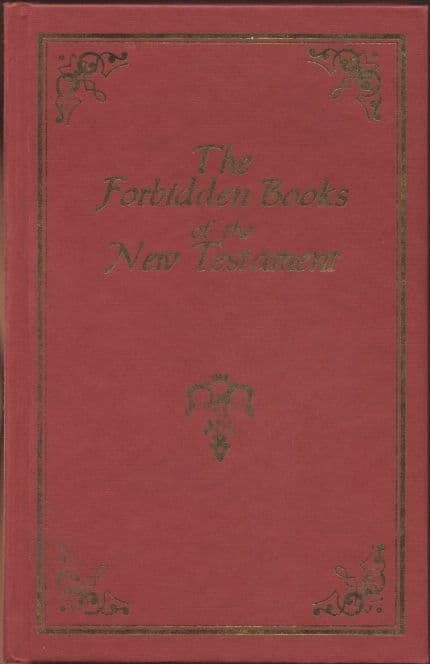



Link to this page
Add a free, dofollow link to Lex on your blog, forum, syllabus, or reading list.

<a href="https://lex-books.com/author/william-wake"><img src="https://lex-books.com/badges/read-on-lex.svg" alt="William Wake on Lex" width="160" height="40"></a>[](https://lex-books.com/author/william-wake)[url=https://lex-books.com/author/william-wake][img]https://lex-books.com/badges/read-on-lex.svg[/img][/url]William Wake on Lex: https://lex-books.com/author/william-wake