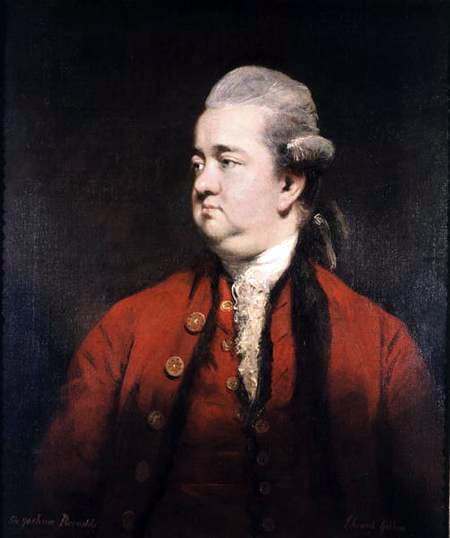
Edward Gibbon
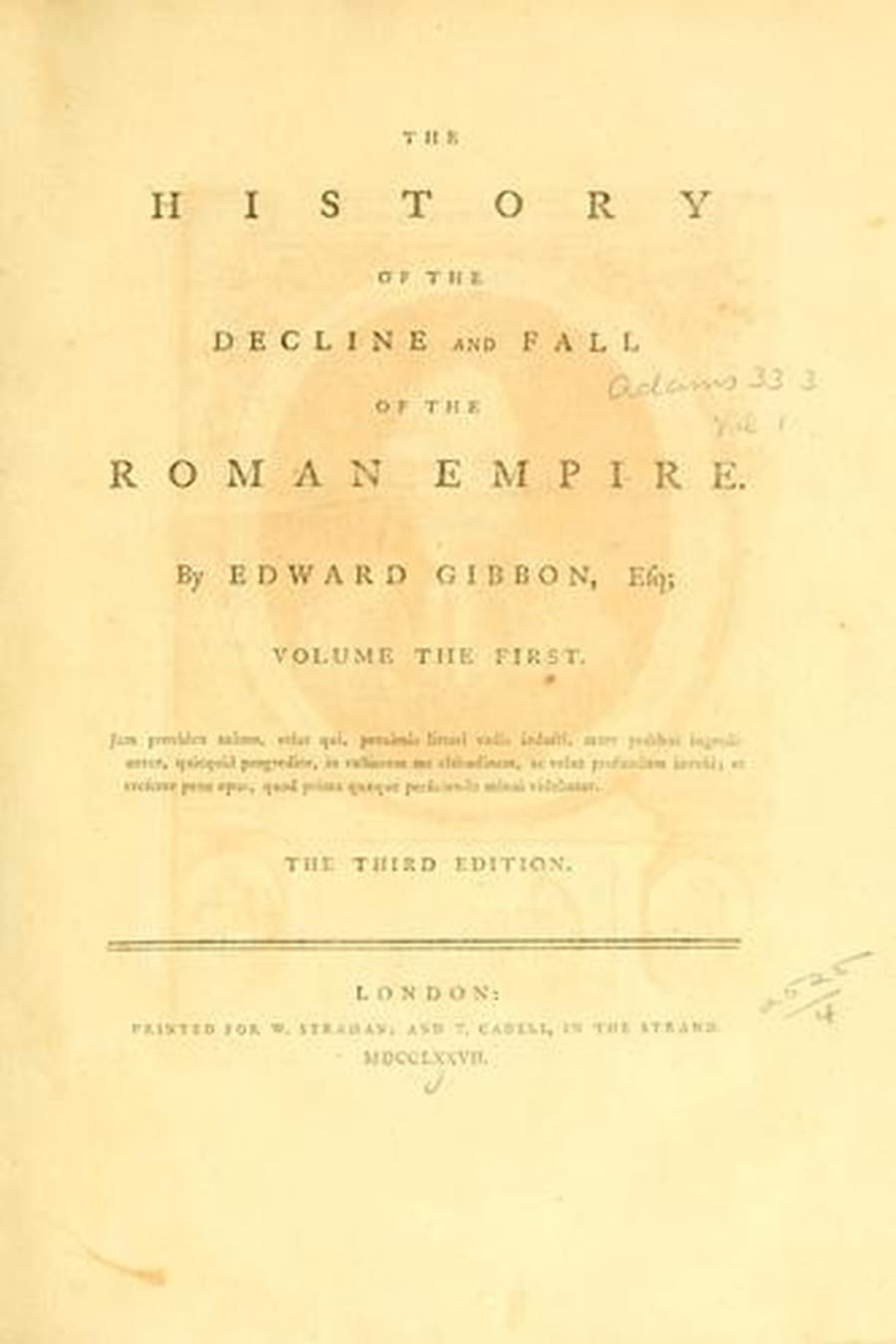
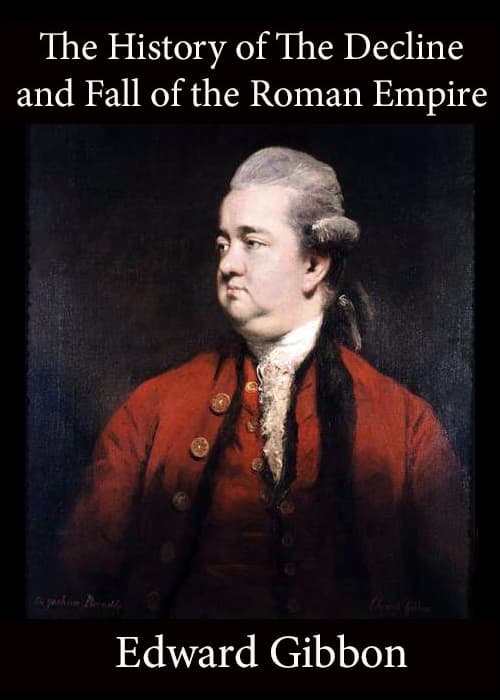
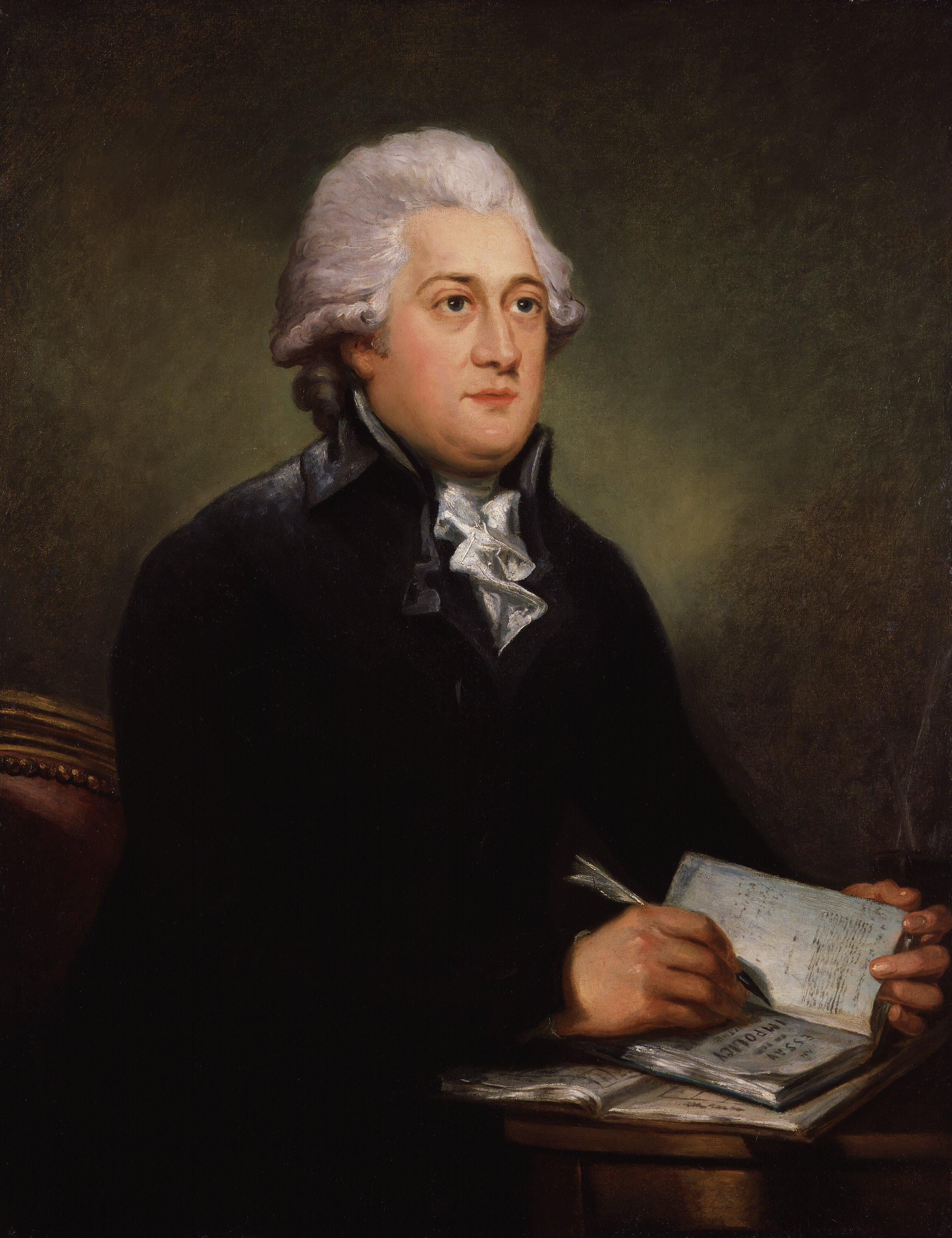
Edward Gibbon was a prominent British essayist, historian, and politician, best known for his seminal work, The History of the Decline and Fall of the Roman Empire. Published in six volumes between 1776 and 1789, this monumental history is celebrated for its eloquent prose, rigorous use of primary sources, and incisive critique of organized religion. Gibbon's narrative style combined scholarly rigor with a keen sense of irony, making his analysis of the Roman Empire's demise both engaging and thought-provoking. Gibbon's exploration of the factors contributing to the fall of Rome, including political corruption, military decline, and the influence of Christianity, sparked considerable debate and established him as a pivotal figure in historical writing. His work not only set a standard for future historians but also influenced Enlightenment thought, particularly in its questioning of religious authority and its emphasis on reason. Gibbon's legacy endures as a foundational text in the study of history, and his insights continue to resonate in discussions about the interplay of culture, politics, and religion in the rise and fall of civilizations.
Famous Quotes
View all 18 quotes“We improve ourselves by victory over our self. There must be contests, and you must win.””
“The winds and waves are always on the side of the ablest navigators.””
“The various modes of worship which prevailed in the Roman world were all considered by the people as equally true; by the philosopher as equally false; and by the magistrate as equally useful.””
Books from the author






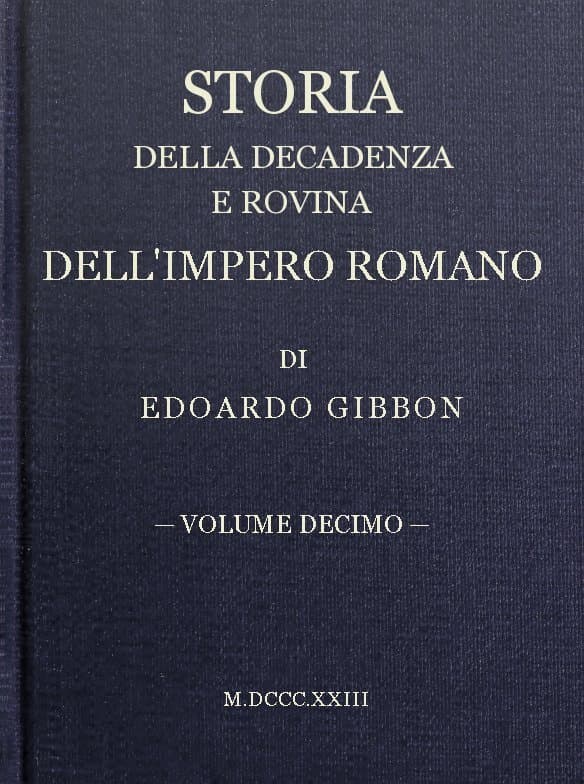
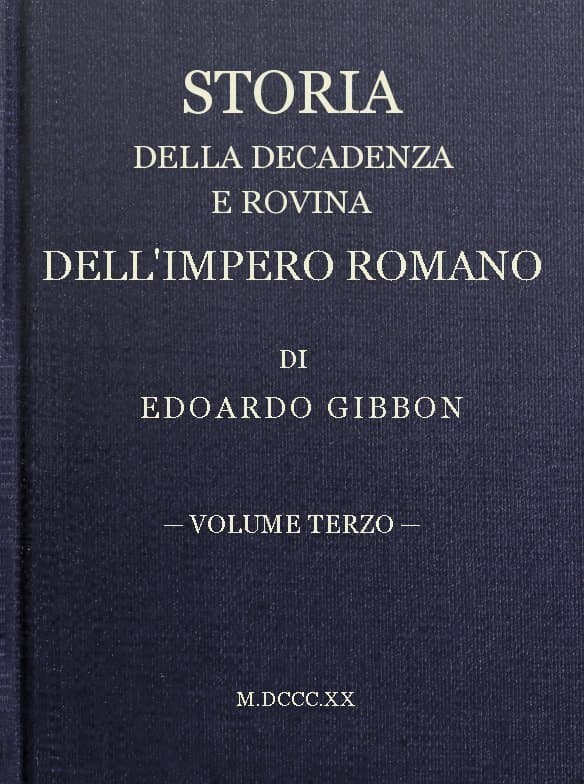










Link to this page
Add a free, dofollow link to Lex on your blog, forum, syllabus, or reading list.

<a href="https://lex-books.com/author/edward-gibbon"><img src="https://lex-books.com/badges/read-on-lex.svg" alt="Edward Gibbon on Lex" width="160" height="40"></a>[](https://lex-books.com/author/edward-gibbon)[url=https://lex-books.com/author/edward-gibbon][img]https://lex-books.com/badges/read-on-lex.svg[/img][/url]Edward Gibbon on Lex: https://lex-books.com/author/edward-gibbon