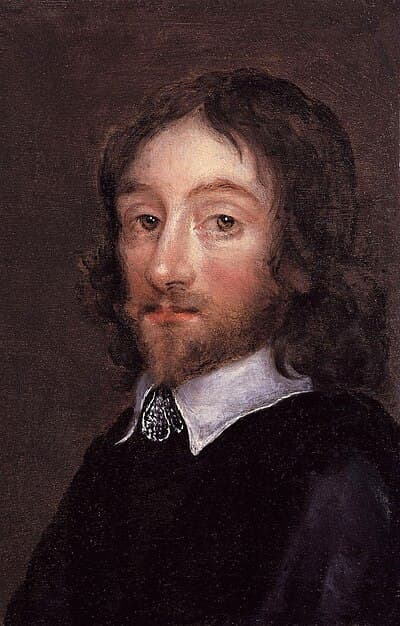
Thomas, Sir Browne
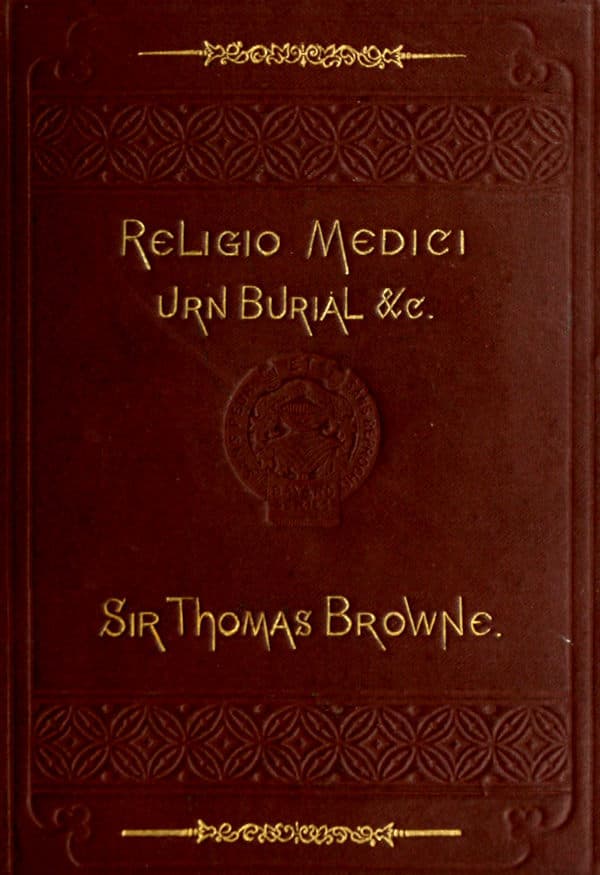
Sir Thomas Browne was a 17th-century English polymath known for his profound contributions to literature, philosophy, and science. Born in London, he was educated at Oxford University, where he developed a keen interest in the natural world and the human condition. His most famous works include 'Religio Medici,' a meditative exploration of faith and reason, and 'Urn Burial,' which reflects on mortality and the nature of existence. Browne's writing is characterized by its eloquent prose, intricate metaphors, and a deep curiosity about the mysteries of life and death. Browne's significance lies not only in his literary style but also in his ability to blend science and spirituality in a way that was innovative for his time. He was one of the early figures to embrace a scientific approach to understanding the world while maintaining a sense of wonder about the divine. His works influenced later writers and thinkers, including the Romantics and the modern essayists, establishing him as a precursor to the Enlightenment. Sir Thomas Browne's legacy endures, as his writings continue to inspire discussions on the intersection of science, philosophy, and literature.
Famous Quotes
View all 12 quotes“We carry within us the wonders we seek without us.””
“Life is a pure flame and we live by an invisible sun within us.””
“We all labor against our own cure, for death is the cure of all diseases””
Books from the author


Link to this page
Add a free, dofollow link to Lex on your blog, forum, syllabus, or reading list.

<a href="https://lex-books.com/author/thomas-sir-browne"><img src="https://lex-books.com/badges/read-on-lex.svg" alt="Thomas, Sir Browne on Lex" width="160" height="40"></a>[](https://lex-books.com/author/thomas-sir-browne)[url=https://lex-books.com/author/thomas-sir-browne][img]https://lex-books.com/badges/read-on-lex.svg[/img][/url]Thomas, Sir Browne on Lex: https://lex-books.com/author/thomas-sir-browne