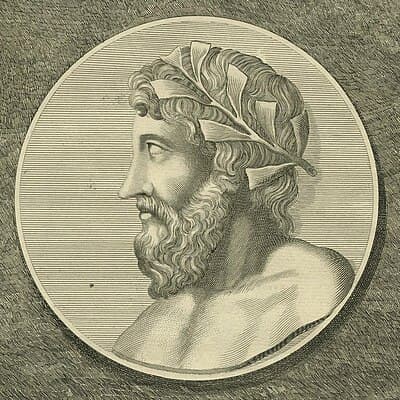
Theocritus
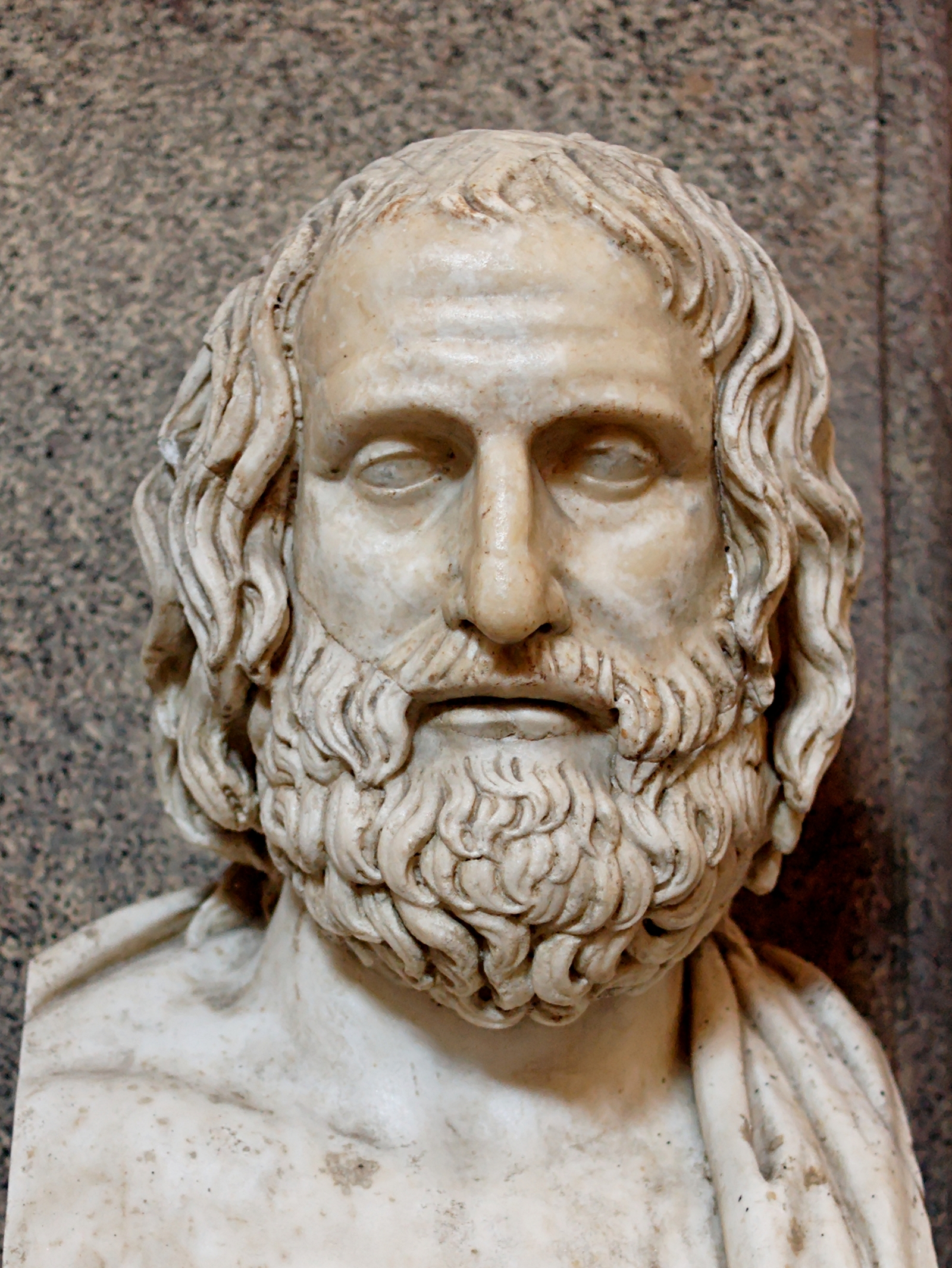
Theocritus was a Greek poet from the island of Sicily, often hailed as the father of pastoral poetry. Living during the Hellenistic period, he is best known for his collection of poems known as the 'Idylls,' which depict the lives and loves of shepherds and rural folk, blending idyllic scenes with rich emotional depth. His work not only celebrates the beauty of nature but also explores themes of love, friendship, and the simplicity of rural life, setting a precedent for later pastoral poets such as Virgil and Milton. Theocritus's influence extended beyond his immediate contemporaries, as his innovative use of dialogue and vivid imagery helped shape the genre of pastoral poetry. His 'Idylls' are characterized by their lyrical quality and often feature mythological references, showcasing his ability to weave together the everyday with the divine. The poet's legacy is preserved through various translations and adaptations, including notable works such as 'Theocritus, Translated into English Verse' and 'Theocritus, Bion and Moschus, Rendered into English Prose.' His contributions to literature have earned him a revered place in the canon of ancient Greek poetry, inspiring countless poets throughout history with his celebration of pastoral life and human emotion.
Famous Quotes
View all 8 quotes“Sameron adion asoI shall sing a sweeter song tomorrow””
“Let the high Muse chant loves Olympian:We are but mortals, and must sing of men.””
“While there's life there's hope, and only the dead have none.””
Books from the author



Link to this page
Add a free, dofollow link to Lex on your blog, forum, syllabus, or reading list.

<a href="https://lex-books.com/author/theocritus"><img src="https://lex-books.com/badges/read-on-lex.svg" alt="Theocritus on Lex" width="160" height="40"></a>[](https://lex-books.com/author/theocritus)[url=https://lex-books.com/author/theocritus][img]https://lex-books.com/badges/read-on-lex.svg[/img][/url]Theocritus on Lex: https://lex-books.com/author/theocritus