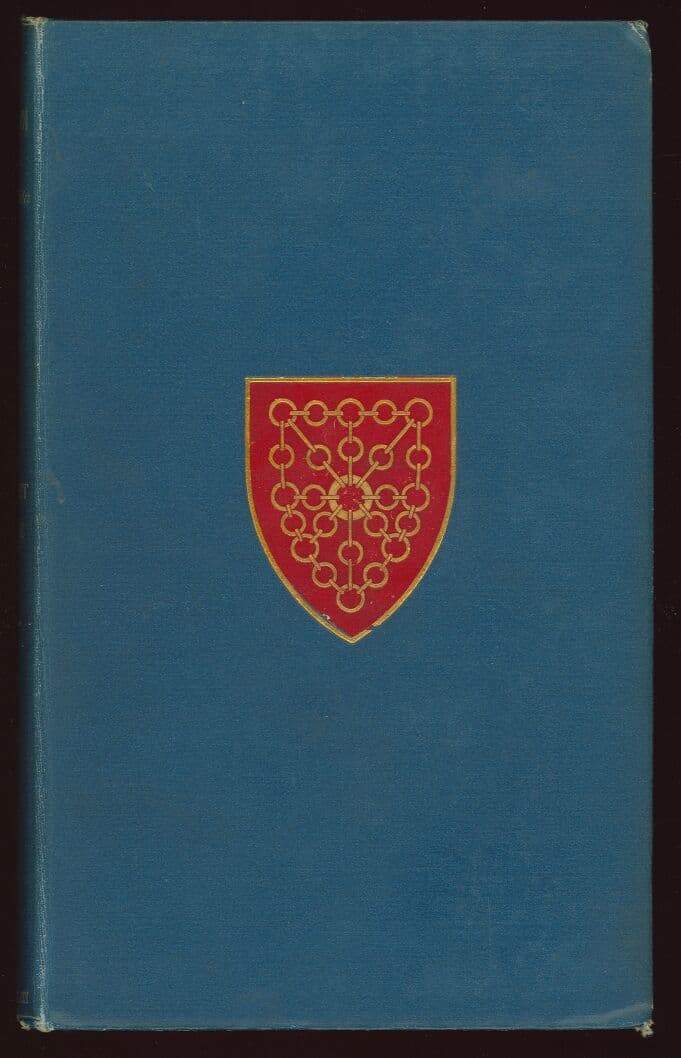
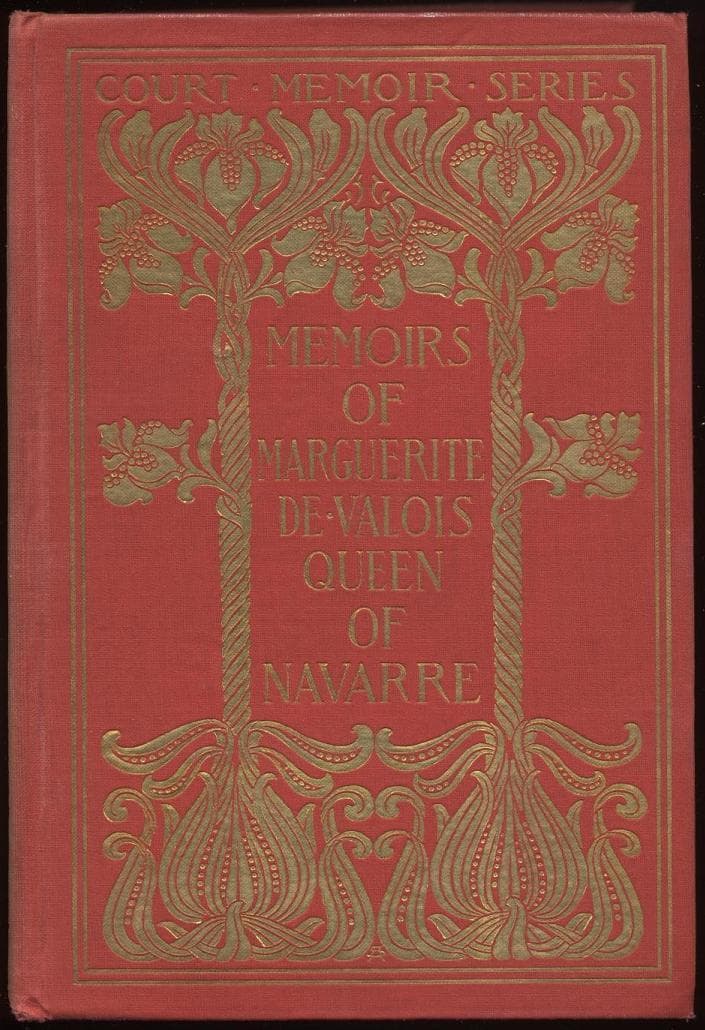
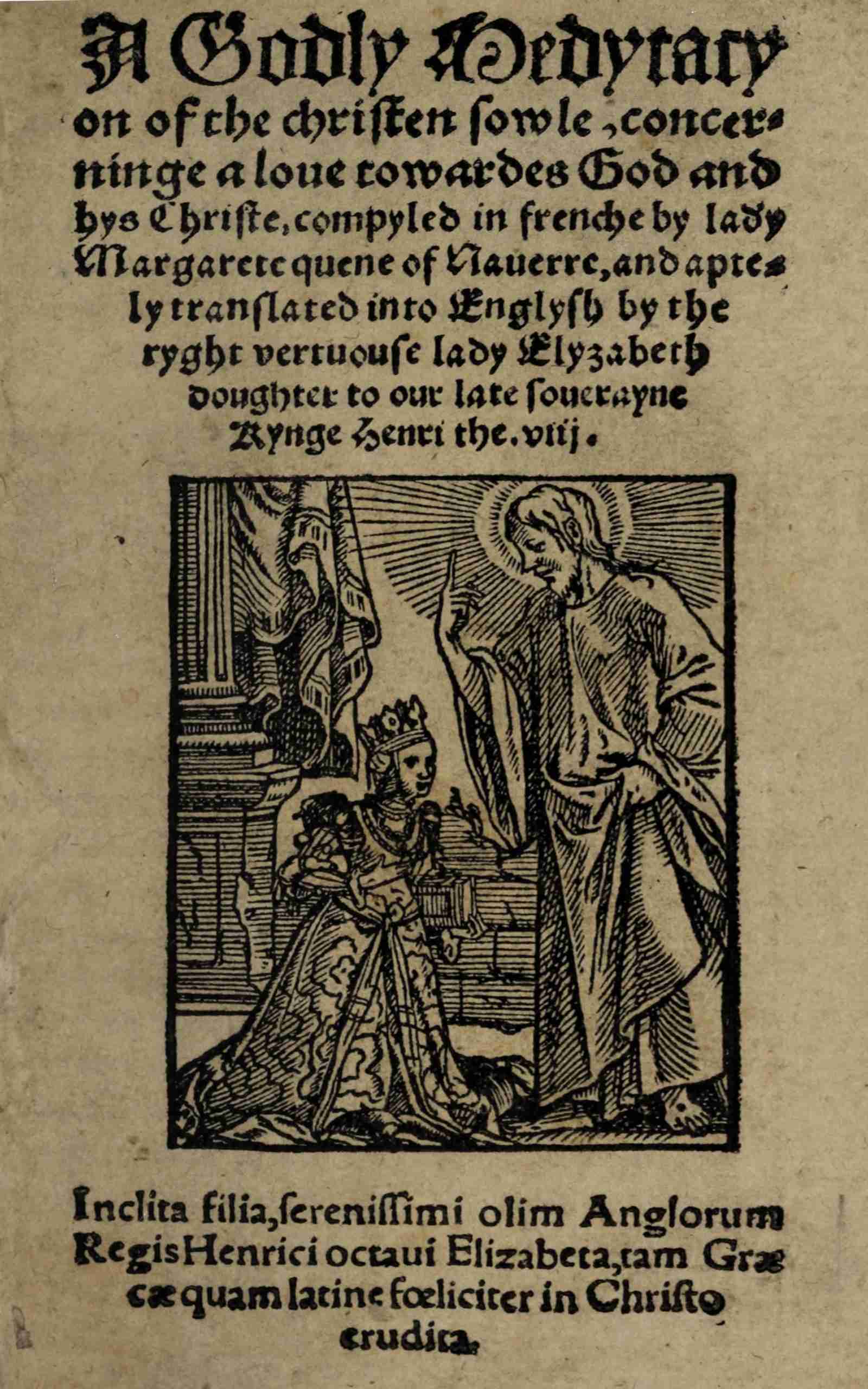
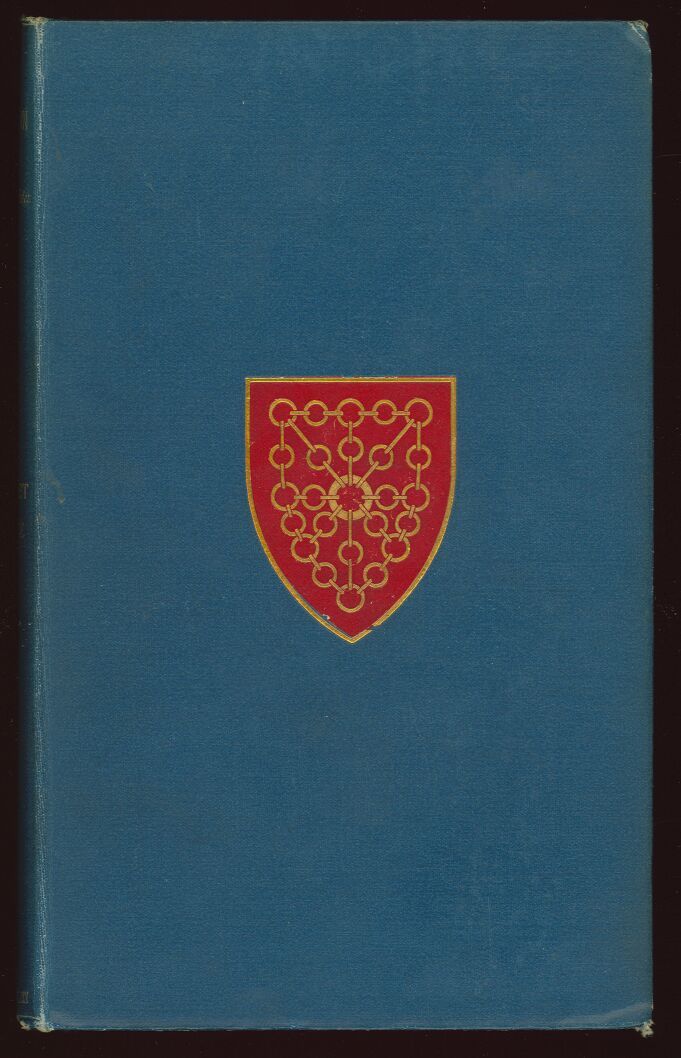
The Heptameron of Margaret, Queen of Navarre
1528
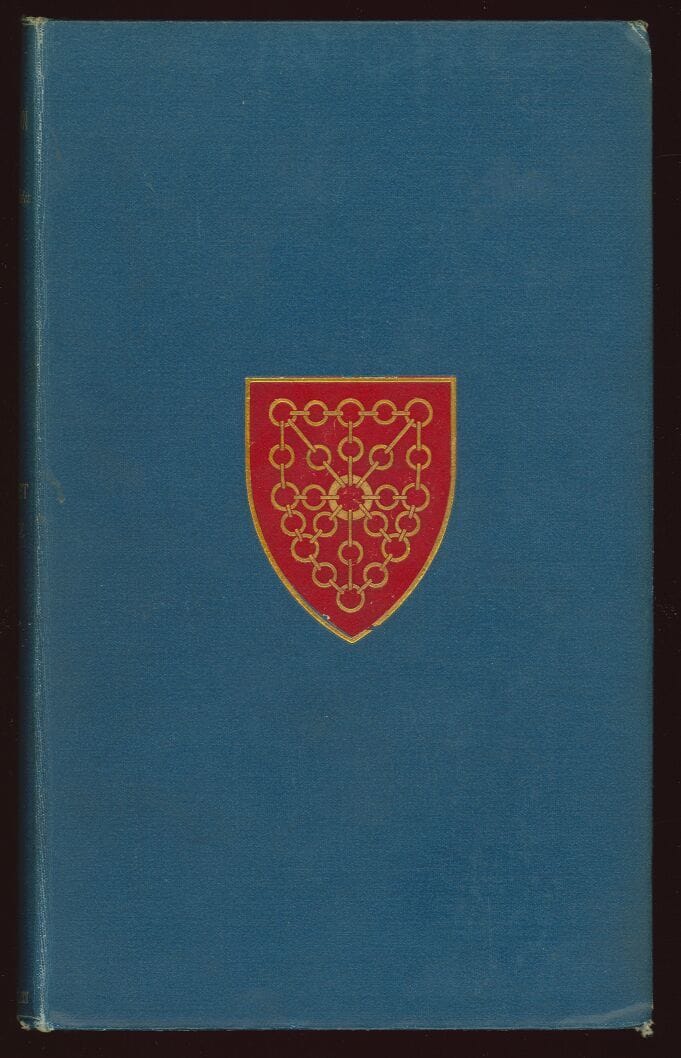
The Heptameron of Margaret, Queen of Navarre
Queen, consort of Henry II, King of Navarre Marguerite
1528
Translated by George Saintsbury
Ten travelers trapped by floodwaters in a Pyrenees abbey decide to pass the time the cultured way: each telling a story a day. What begins as a refined exercise in the manner of Boccaccio quickly curdles into something far more delicious. The company splits along gender lines, with cynical noblemen trading tales of faithless wives while their female counterparts expose the hypocrisies of lecherous friars and philandering husbands. The result is a verbal joust, witty and waspish, where every story is a thrust and parry in an ongoing battle between the sexes. Margaret of Navarre wrote this collection in 1548, and it retains its transgressive edge five centuries later. She gives us corrupt clergymen, scheming aristocrats, and wives who outwit their deceivers with dazzling ingenuity. Through characters like the idealistic Dagoucin and the sardonic Saffredent, the book stages a sustained debate about love, desire, and honor that still feels urgent. Parlamente, often seen as Margaret's voice, argues for mutual respect and genuine feeling while her companions expose the grimier realities of Renaissance marriage. It's a fascinating window into how the French nobility really thought about sex, religion, and power. The Heptameron endures because it refuses to moralize neatly. These stories celebrate cunning, expose hypocrisy, and delight in the gap between what people preach and what they practice. For readers who enjoy sharp social satire, Renaissance literature, or stories that treat women as intellectual combatants rather than decorative ornaments.
Editions

X-Ray
“A handsome young knight is madly in love with a princess, and she too is in love with him, though she seems not to be entirely aware of it. Despite the friendship that blossoms between them, or perhaps because of that very friendship, the young knight finds himself so humbled and speechless that he is totally unable to bring up the subject of his love. Until one day he asks the princess point-blank: Is it better to speak or to die?””
— Queen, consort of Henry II, King of Navarre Marguerite
“Is it better to speak or to die?””
— Queen, consort of Henry II, King of Navarre Marguerite
“For there’s nothing more foolish than a man who thinks he’s clever, and nothing more wise than the man who knows that he is nothing.””
— Queen, consort of Henry II, King of Navarre Marguerite
“Telegram@bestsupplies1 Buy Cocaine online in Gosford””
— Queen, consort of Henry II, King of Navarre Marguerite
Link to this book
Add a free, dofollow link to Lex on your blog, forum, syllabus, or reading list.

<a href="https://lex-books.com/book/the-heptameron-of-margaret-queen-of-navarre-9e2a0204-3b0b-4168-afbd-db03a402072c"><img src="https://lex-books.com/badges/read-on-lex.svg" alt="Read The Heptameron of Margaret, Queen of Navarre by Queen, consort of Henry II, King of Navarre Marguerite free on Lex" width="160" height="40"></a>[](https://lex-books.com/book/the-heptameron-of-margaret-queen-of-navarre-9e2a0204-3b0b-4168-afbd-db03a402072c)[url=https://lex-books.com/book/the-heptameron-of-margaret-queen-of-navarre-9e2a0204-3b0b-4168-afbd-db03a402072c][img]https://lex-books.com/badges/read-on-lex.svg[/img][/url]Read The Heptameron of Margaret, Queen of Navarre by Queen, consort of Henry II, King of Navarre Marguerite free on Lex: https://lex-books.com/book/the-heptameron-of-margaret-queen-of-navarre-9e2a0204-3b0b-4168-afbd-db03a402072cCite this book
Reading this edition for a paper or guide? Copy a citation.
Queen, consort of Henry II, King of Navarre Marguerite. The Heptameron of Margaret, Queen of Navarre. Lex, lex-books.com/book/the-heptameron-of-margaret-queen-of-navarre-9e2a0204-3b0b-4168-afbd-db03a402072c.Queen, C. O. H. I. (1528). The Heptameron of Margaret, Queen of Navarre. Lex. https://lex-books.com/book/the-heptameron-of-margaret-queen-of-navarre-9e2a0204-3b0b-4168-afbd-db03a402072cQueen, consort of Henry II, King of Navarre Marguerite. The Heptameron of Margaret, Queen of Navarre. Lex. https://lex-books.com/book/the-heptameron-of-margaret-queen-of-navarre-9e2a0204-3b0b-4168-afbd-db03a402072c.