Ann Ward Radcliffe
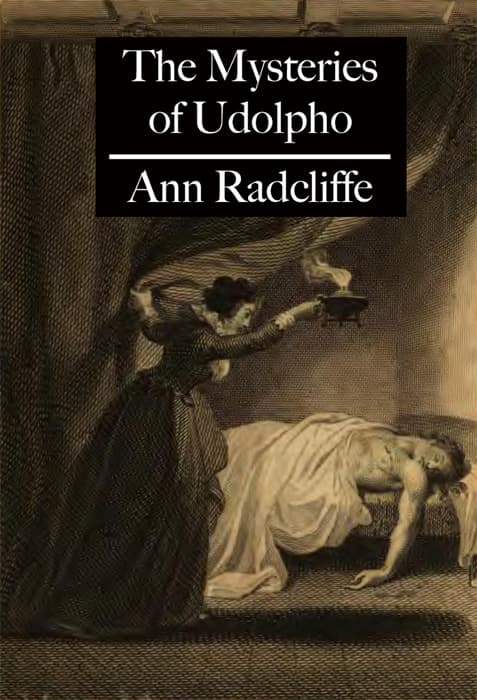
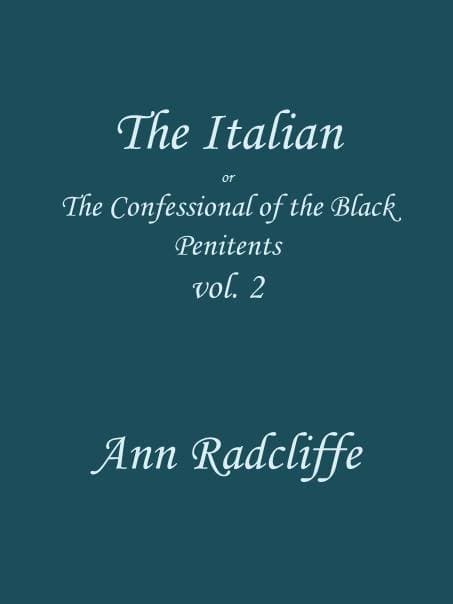
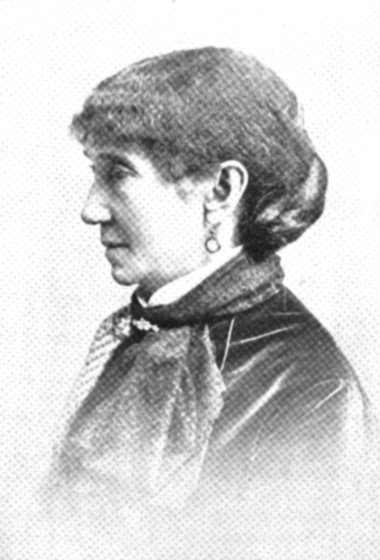
Ann Ward Radcliffe was an English novelist who played a crucial role in the development of the Gothic novel, a genre characterized by its blend of suspense, exotic settings, and the interplay of the supernatural with rational explanations. Born in London and raised in Bath, she married journalist William Radcliffe in 1787 and began publishing her influential works shortly thereafter. Her most notable novels include 'The Mysteries of Udolpho' (1794), which became her most popular work, as well as 'The Romance of the Forest' (1791) and 'The Italian' (1797). Radcliffe's ability to weave intricate plots and create atmospheric settings earned her widespread acclaim and financial success, making her one of the highest-paid authors of her time. Despite her literary achievements, Radcliffe was famously private and reclusive, leaving little personal documentation of her life. After her initial burst of creativity, she withdrew from public life for nearly three decades, traveling with her husband while her works continued to garner admiration. Critics of her era hailed her as a 'mighty enchantress' and likened her to Shakespeare in the realm of romance writing. Radcliffe's influence extended beyond her lifetime, inspiring a generation of writers, including Jane Austen, Mary Shelley, and Walter Scott, and establishing a legacy that solidified her position as a foundational figure in Gothic literature.
Famous Quotes
View all 1 quotes“In the twenty-third year of her age, Miss Ward was married to Mr. William Radcliffe, a graduate of Oxford, who, at one period, intended to follow the profession of the law, and, with that view, kept several terms at one of the Inns of Court, but who afterwards changed his purpose. The ceremony was performed at Bath, where her parents then resided, and she afterwards proceeded with her husband to live in the neighbourhood of London. Encouraged by him, she soon began to employ her leisure in writing; and, as her distrust of herself yielded to conscious success, proceeded with great rapidity. Mr. Radcliffe, about this time, became the proprietor of “The English Chronicle,””
Books from the author





Link to this page
Add a free, dofollow link to Lex on your blog, forum, syllabus, or reading list.

<a href="https://lex-books.com/author/ann-ward-radcliffe"><img src="https://lex-books.com/badges/read-on-lex.svg" alt="Ann Ward Radcliffe on Lex" width="160" height="40"></a>[](https://lex-books.com/author/ann-ward-radcliffe)[url=https://lex-books.com/author/ann-ward-radcliffe][img]https://lex-books.com/badges/read-on-lex.svg[/img][/url]Ann Ward Radcliffe on Lex: https://lex-books.com/author/ann-ward-radcliffe