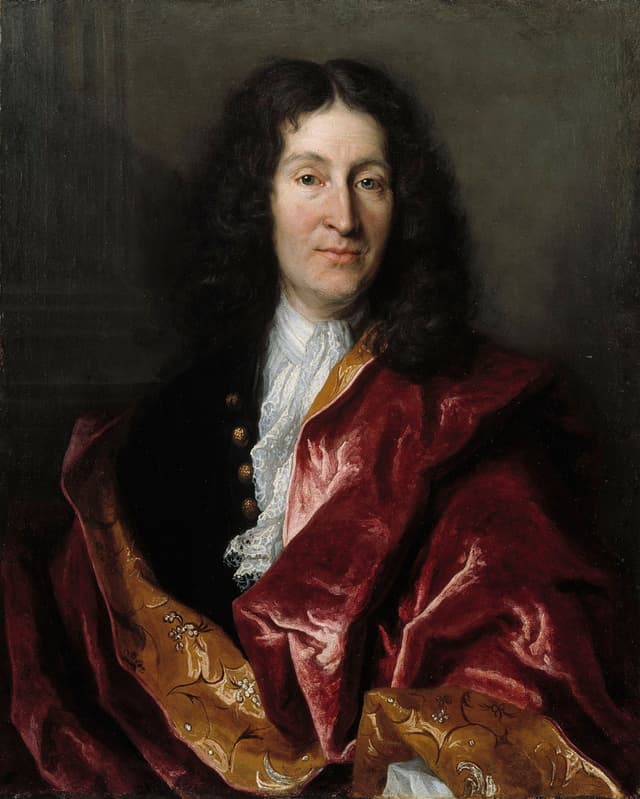
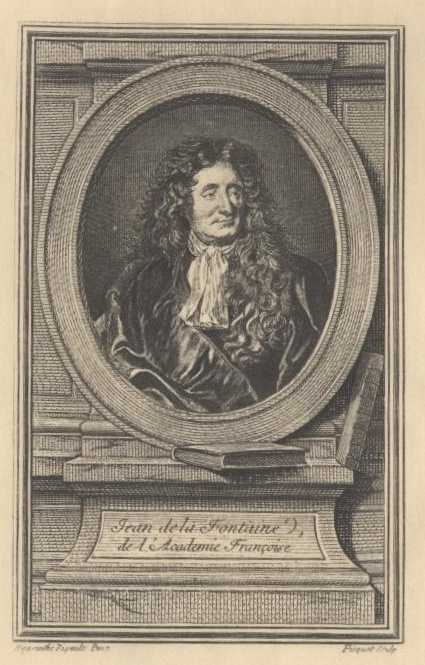
Jean de La Fontaine
Jean de La Fontaine was a prominent French fabulist and poet, celebrated for his enduring contributions to literature in the 17th century. His most notable work, 'Fables,' consists of a collection of stories that cleverly convey moral lessons through the use of anthropomorphized animals. These fables not only captivated audiences of his time but also established a framework for future fabulists across Europe, influencing the genre significantly. La Fontaine's ability to blend humor with profound insights into human nature set his work apart, making it both entertaining and thought-provoking. Despite facing royal suspicion early in his career, La Fontaine's talent eventually earned him a place in the prestigious Académie Française, solidifying his status as a literary figure of great importance. His legacy endures, evidenced by the numerous adaptations and translations of his fables, as well as the cultural references that continue to emerge in various forms of art and literature. La Fontaine's work remains a cornerstone of French literature, reflecting the complexities of society and human behavior through simple yet impactful storytelling.
Famous Quotes
View all 20 quotes“Rare as is true love, true friendship is rarer.””
“Everyone calls himself a friend, but only a fool relies on it: nothing is commoner than the name, nothing rarer than the thing.””
Books from the author








Link to this page
Add a free, dofollow link to Lex on your blog, forum, syllabus, or reading list.

<a href="https://lex-books.com/author/jean-de-la-fontaine"><img src="https://lex-books.com/badges/read-on-lex.svg" alt="Jean de La Fontaine on Lex" width="160" height="40"></a>[](https://lex-books.com/author/jean-de-la-fontaine)[url=https://lex-books.com/author/jean-de-la-fontaine][img]https://lex-books.com/badges/read-on-lex.svg[/img][/url]Jean de La Fontaine on Lex: https://lex-books.com/author/jean-de-la-fontaine