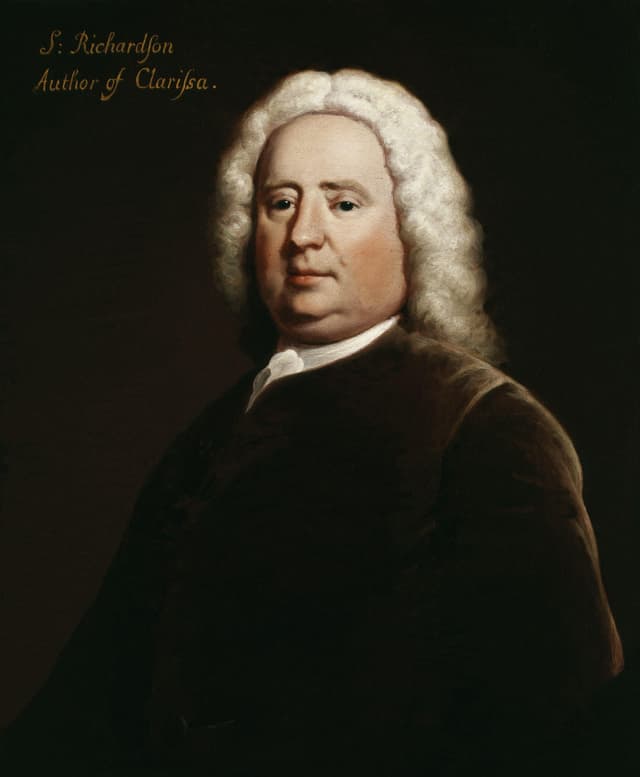
Samuel Richardson
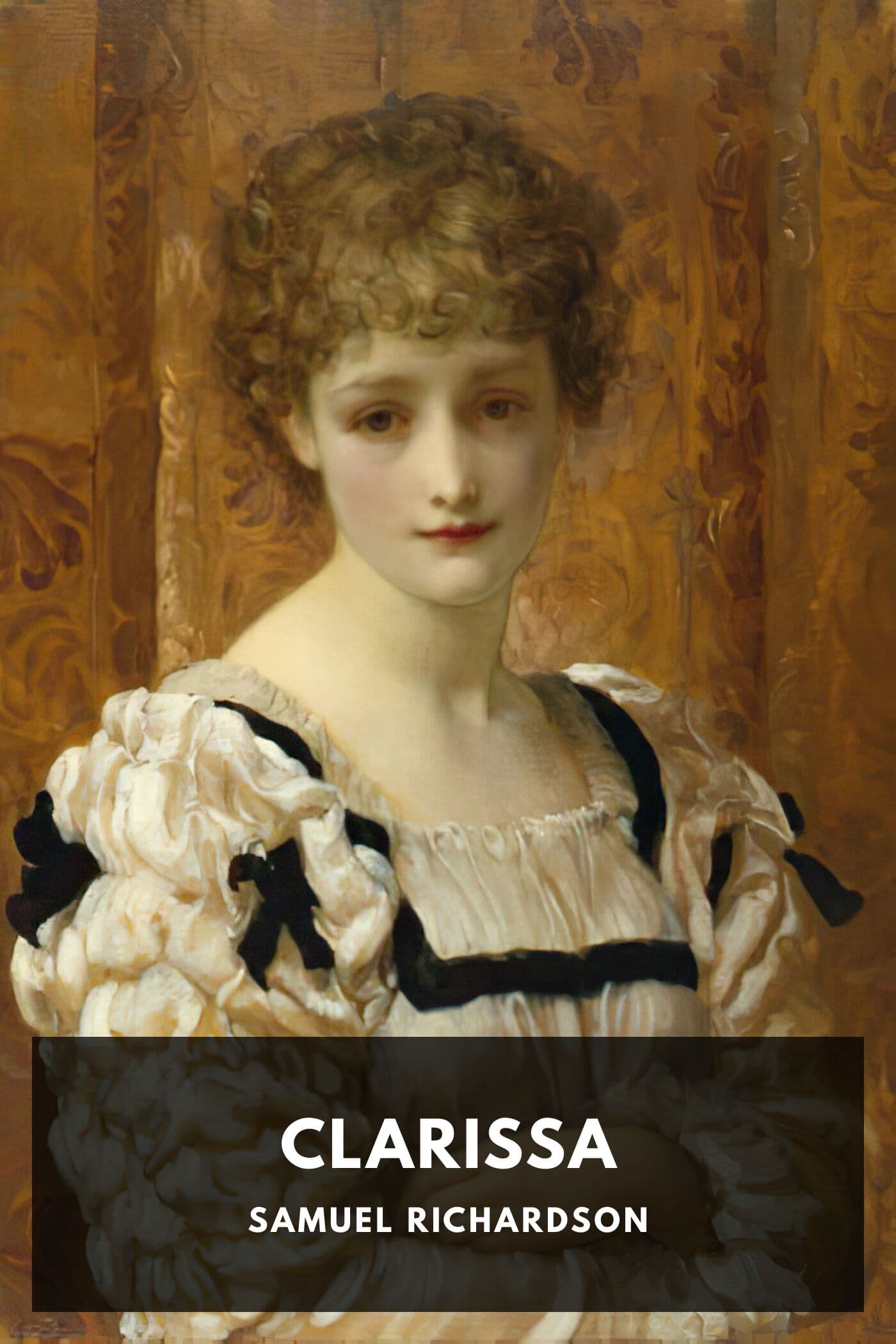
Samuel Richardson was an influential English writer and printer, renowned for his pioneering contributions to the epistolary novel form. His first major work, 'Pamela; or, Virtue Rewarded,' published in 1740, marked a significant moment in literary history, as it not only captivated readers but also established Richardson as a formidable novelist at the age of 51. This success was followed by two more notable novels, 'Clarissa: Or the History of a Young Lady' (1748) and 'The History of Sir Charles Grandison' (1753), both of which explored themes of virtue, morality, and the complexities of human relationships, further solidifying his reputation in the literary world. Richardson's works were characterized by their deep psychological insight and emotional depth, influencing subsequent writers and shaping the development of the novel as a genre. He was known to engage in literary rivalries, most notably with Henry Fielding, which spurred both authors to refine their styles and narratives. Beyond his novels, Richardson's career as a printer allowed him to contribute to various journals and magazines, showcasing his commitment to the literary community. His legacy endures as a key figure in the evolution of the English novel, and his exploration of character and sentiment paved the way for future generations of writers.
Famous Quotes
View all 3 quotes“I know not my own heart if it be not absolutely free.”
“Tired of myself longing for what I have not”
“Be sure don't let people's telling you, you are pretty, puff you up; for you did not make yourself, and so can have no praise due to you for it. It is virtue and goodness only, that make the true beauty.”
Books from the author



Link to this page
Add a free, dofollow link to Lex on your blog, forum, syllabus, or reading list.

<a href="https://lex-books.com/author/samuel-richardson"><img src="https://lex-books.com/badges/read-on-lex.svg" alt="Samuel Richardson on Lex" width="160" height="40"></a>[](https://lex-books.com/author/samuel-richardson)[url=https://lex-books.com/author/samuel-richardson][img]https://lex-books.com/badges/read-on-lex.svg[/img][/url]Samuel Richardson on Lex: https://lex-books.com/author/samuel-richardson