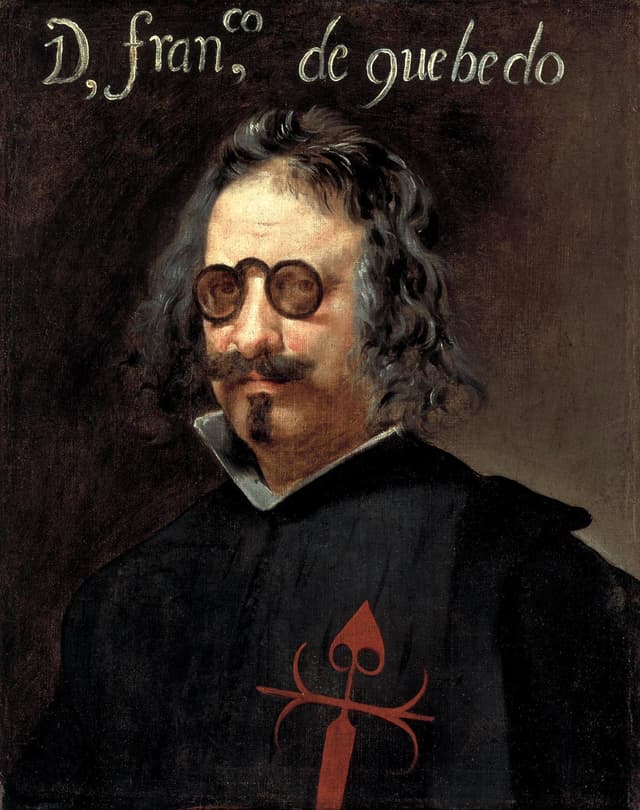
Francisco de Quevedo
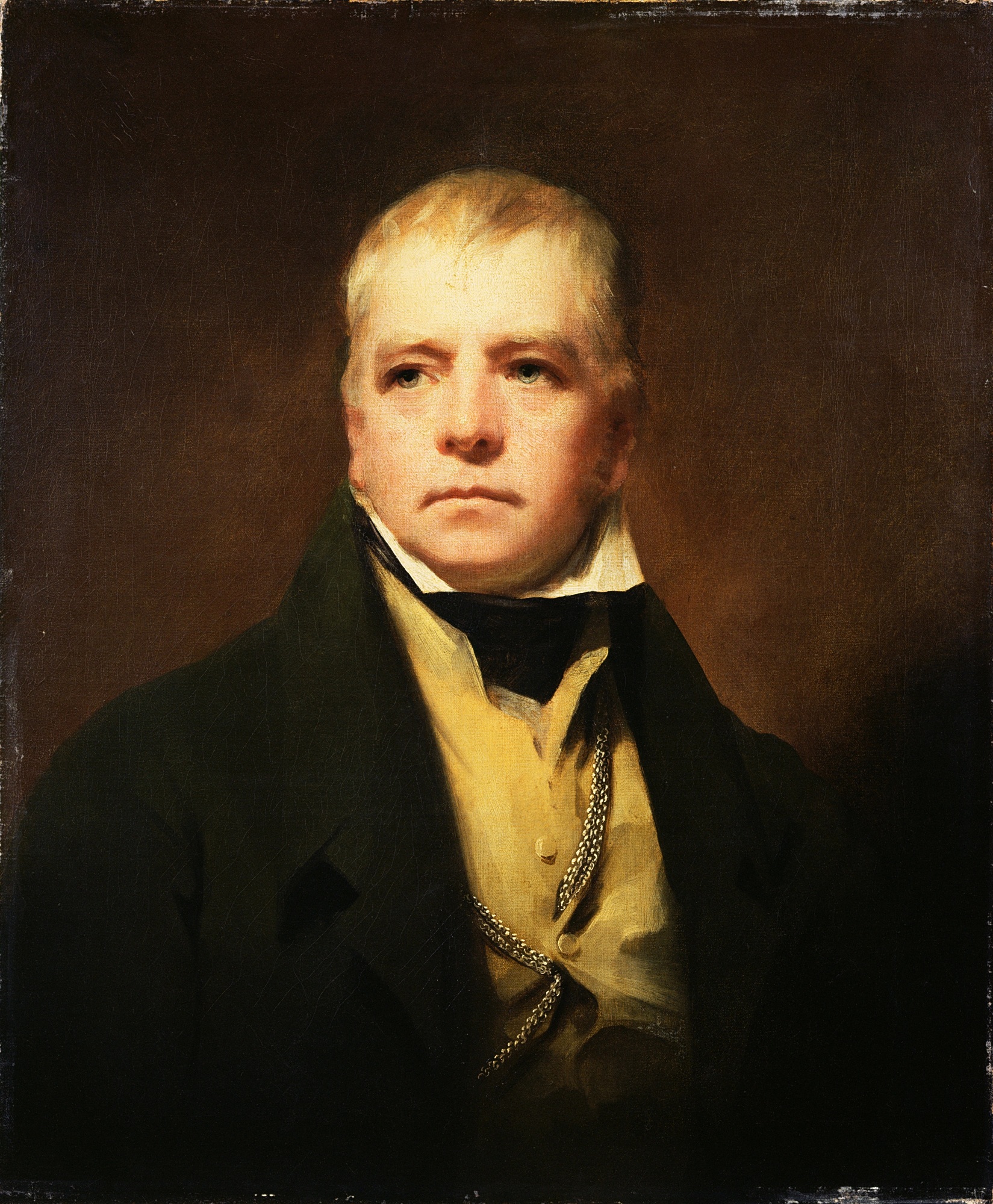
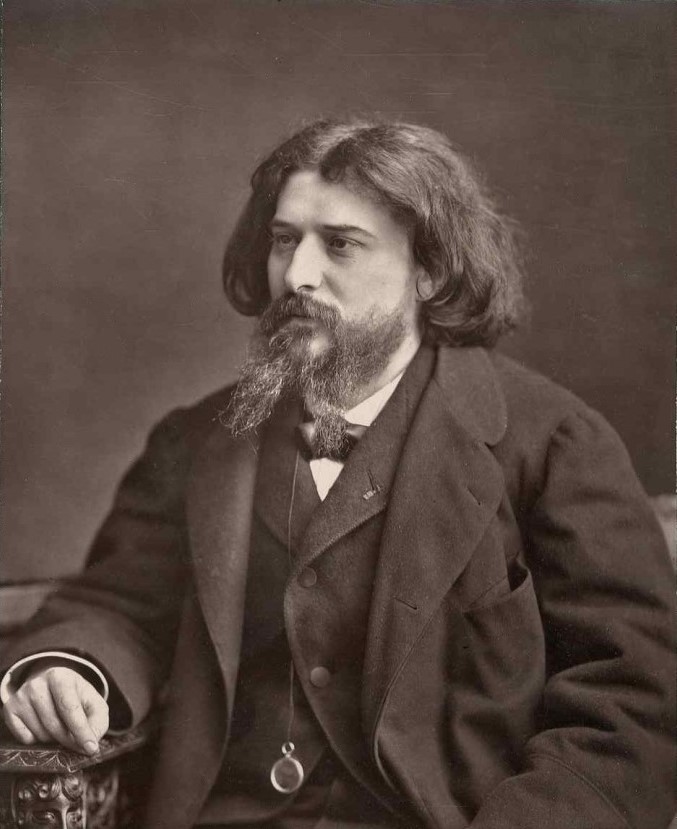
Francisco de Quevedo was a prominent Spanish nobleman and writer of the Baroque era, renowned for his sharp wit and mastery of language. Born into a noble family, he became a significant figure in Spanish literature, particularly known for his poetry and prose that exemplified the conceptismo style, which emphasized clarity and conciseness in contrast to the more ornate culteranismo favored by his rival, Luis de Góngora. Quevedo's works often explored themes of love, politics, and the human condition, showcasing his deep intellect and satirical prowess. Among his notable works are 'La vida del Buscón llamado Don Pablos,' a picaresque novel that critiques society through the misadventures of its protagonist, and a vast collection of sonnets and philosophical essays that reflect his sharp observations of life and society. His literary significance lies not only in his innovative style but also in his role as a fierce critic of contemporary politics and morality, making him a key figure in the Spanish Golden Age. Quevedo's legacy endures as one of the foremost poets of his time, influencing generations of writers and thinkers with his incisive commentary and profound insights into human nature.
Famous Quotes
View all 3 quotes“He who spends time regretting the past loses the present and risks the future.”
“Nunca mejora su estado quien muda solamente de lugar, y no de vida y costumbres.”
“I will be dust, but dust in love”
Books from the author







Link to this page
Add a free, dofollow link to Lex on your blog, forum, syllabus, or reading list.

<a href="https://lex-books.com/author/francisco-de-quevedo"><img src="https://lex-books.com/badges/read-on-lex.svg" alt="Francisco de Quevedo on Lex" width="160" height="40"></a>[](https://lex-books.com/author/francisco-de-quevedo)[url=https://lex-books.com/author/francisco-de-quevedo][img]https://lex-books.com/badges/read-on-lex.svg[/img][/url]Francisco de Quevedo on Lex: https://lex-books.com/author/francisco-de-quevedo