Life is a Dream
1635
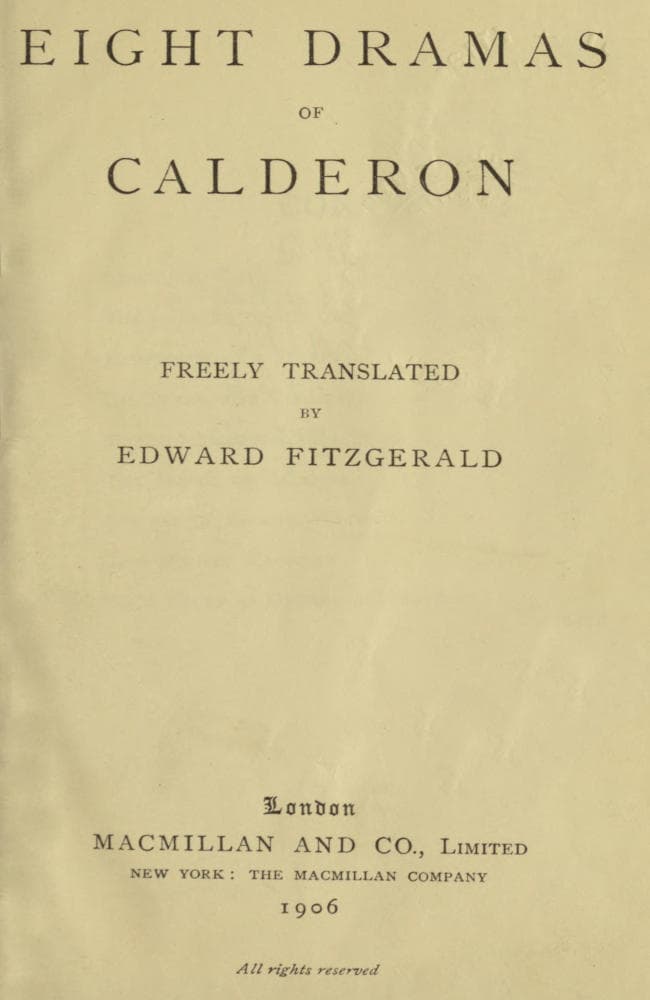
What if your entire life were merely a dream? This is the question that haunts the Spanish Golden Age's most profound theatrical achievement. Segismundo, Prince of Poland, has spent his entire life imprisoned in a tower by his father, King Basilio, who feared a prophecy that his son would bring destruction to the kingdom. When Basilio finally grants Segismundo one day of freedom, the prince's rage and violence confirm the king's worst fears, and Segismundo is drugged and returned to captivity, told that everything was merely a dream. But was it? And does it matter? Calderón constructs a dazzling philosophical thriller that asks whether we have free will or are merely puppets of fate, whether reality is anything more than perception, and whether honor can ever be restored once destroyed. The verse crackles with intellectual urgency, moving from claustrophobic darkness to dazzling courtly spectacle. Nearly four centuries later, this play remains terrifyingly relevant: we still grapple with the same questions about determinism, identity, and the nature of the reality we take for granted. It is for readers who want their theater to feel like a fever dream and a philosophical argument at once.
Editions
X-Ray
“¿Qué es la vida? Una ilusión,una sombra, una ficción,y el mayor bien es pequeño:que toda la vida es sueño,y los sueños, sueños son.””
— Pedro Calderón de la Barca
“¿Qué es la vida? Un frenesí. ¿Qué es la vida? Una ilusión, una sombra, una ficción; y el mayor bien es pequeño; que toda la vida es sueño, y los sueños, sueños son.””
— Pedro Calderón de la Barca
“What is this life? A frenzy, an illusion,A shadow, a delirium, a fiction.The greatest good's but little, and this lifeIs but a dream, and dreams are only dreams.””
— Pedro Calderón de la Barca
“Pues el delito mayor del hombre es haber nacido.””
— Pedro Calderón de la Barca
“And yet, and yet, in these our ghostly lives,Half night, half day, half sleeping, half awake,How if our waking life, like that of sleep,Be all a dream in that eternal lifeTo which we wake not till we sleep in death””
— Pedro Calderón de la Barca
“Yo sueño que estoy aquíde estas prisiones cargado,y soñé que en otro estadomás lisonjero me vi.¿Qué es la vida? Un frenesí.¿Qué es la vida? Una ilusión,una sombra, una ficción,y el mayor bien es pequeño:que toda la vida es sueño,y los sueños, sueños son.””
— Pedro Calderón de la Barca
“SEGISMUNDO: ¡Ay mísero de mí, y ay infelice! Apurar, cielos, pretendo, ya que me tratáis así, qué delito cometí contra vosotros naciendo. Aunque si nací, ya entiendo qué delito he cometido; bastante causa ha tenido vuestra justicia y rigor, pues el delito mayor del hombre es haber nacido. Sólo quisiera saber para apurar mis desvelos -dejando a una parte, cielos, el delito del nacer-, ¿qué más os pude ofender, para castigarme más? ¿No nacieron los demás? Pues si los demás nacieron, ¿qué privilegios tuvieron que no yo gocé jamás? Nace el ave, y con las galas que le dan belleza suma, apenas es flor de pluma, o ramillete con alas, cuando las etéreas salas corta con velocidad, negándose a la piedad del nido que dejan en calma; ¿y teniendo yo más alma, tengo menos libertad? Nace el bruto, y con la piel que dibujan manchas bellas, apenas signo es de estrellas -gracias al docto pincel-, cuando, atrevido y cruel, la humana necesidad le enseña a tener crueldad, monstruo de su laberinto; ¿y yo, con mejor instinto, tengo menos libertad? Nace el pez, que no respira, aborto de ovas y lamas, y apenas bajel de escamas sobre las ondas se mira, cuando a todas partes gira, midiendo la inmensidad de tanta capacidad como le da el centro frío; ¿y yo, con más albedrío, tengo menos libertad? Nace el arroyo, culebra que entre flores se desata, y apenas sierpe de plata, entre las flores se quiebra, cuando músico celebra de las flores la piedad que le dan la majestad del campo abierto a su huída; ¿y teniendo yo más vida, tengo menos libertad? En llegando a esta pasión, un volcán, un Etna hecho, quisiera sacar del pecho pedazos del corazón. ¿Qué ley, justicia o razón negar a los hombres sabe privilegios tan süave excepción tan principal, que Dios le ha dado a un cristal, a un pez, a un bruto y a un ave?””
— Pedro Calderón de la Barca
“el vivir sólo es soñar; y la experiencia me enseña que el hombre que vive, sueña lo que es, hasta despertar.””
— Pedro Calderón de la Barca
“Es verdad;pues reprimamosesta fiera condición,esta furia, esta ambición,por si alguna vez soñamos;y sí haremos, pues estamosen mundo tan singular,que el vivir sólo es soñar;y la experiencia me enseñaque el hombre que vive sueñalo que es hasta despertar.Sueña el rey que es rey, y vivecon este engaño mandando.disponiendo y gobernando;y este aplauso, que recibeprestado, en el viento escribe,y encenizas le conviertela muerte,¡desdicha fuerte!:¿que hay quien intente reinar,viendo que ha de despertaren el sueño de la muerte?Sueña el rico en su riquezaque más cuidados le ofrece;sueña el pobre que padecesu miseria y su pobreza;sueña el que a medrar empieza,sueña el que afana y pretende,sueña el que agravia y ofende,y en el mundo, en conclusión,todos sueñan lo que son,aunque ninguno lo entiende.Yo sueño que estoy aquídestas prisiones cargado,y soñé que en otro estadomás lisonjero me vi.¿Qué es la vida?,Un frenesí,¿Qué es la vida?, una ilusión,una sombra, una ficción,y el mayor bien es pequeño;que toda la vida es sueño,y los sueños, sueños son.””
— Pedro Calderón de la Barca
Link to this book
Add a free, dofollow link to Lex on your blog, forum, syllabus, or reading list.

<a href="https://lex-books.com/book/life-is-a-dream-41eb36b4-0bd8-4ab2-aa9f-2483ef48eaae"><img src="https://lex-books.com/badges/read-on-lex.svg" alt="Read Life is a Dream by Pedro Calderón de la Barca free on Lex" width="160" height="40"></a>[](https://lex-books.com/book/life-is-a-dream-41eb36b4-0bd8-4ab2-aa9f-2483ef48eaae)[url=https://lex-books.com/book/life-is-a-dream-41eb36b4-0bd8-4ab2-aa9f-2483ef48eaae][img]https://lex-books.com/badges/read-on-lex.svg[/img][/url]Read Life is a Dream by Pedro Calderón de la Barca free on Lex: https://lex-books.com/book/life-is-a-dream-41eb36b4-0bd8-4ab2-aa9f-2483ef48eaaeCite this book
Reading this edition for a paper or guide? Copy a citation.
Barca, Pedro Calderón de la. Life is a Dream. Lex, lex-books.com/book/life-is-a-dream-41eb36b4-0bd8-4ab2-aa9f-2483ef48eaae.Barca, P. C. D. L. (1635). Life is a Dream. Lex. https://lex-books.com/book/life-is-a-dream-41eb36b4-0bd8-4ab2-aa9f-2483ef48eaaeBarca, Pedro Calderón de la. Life is a Dream. Lex. https://lex-books.com/book/life-is-a-dream-41eb36b4-0bd8-4ab2-aa9f-2483ef48eaae.