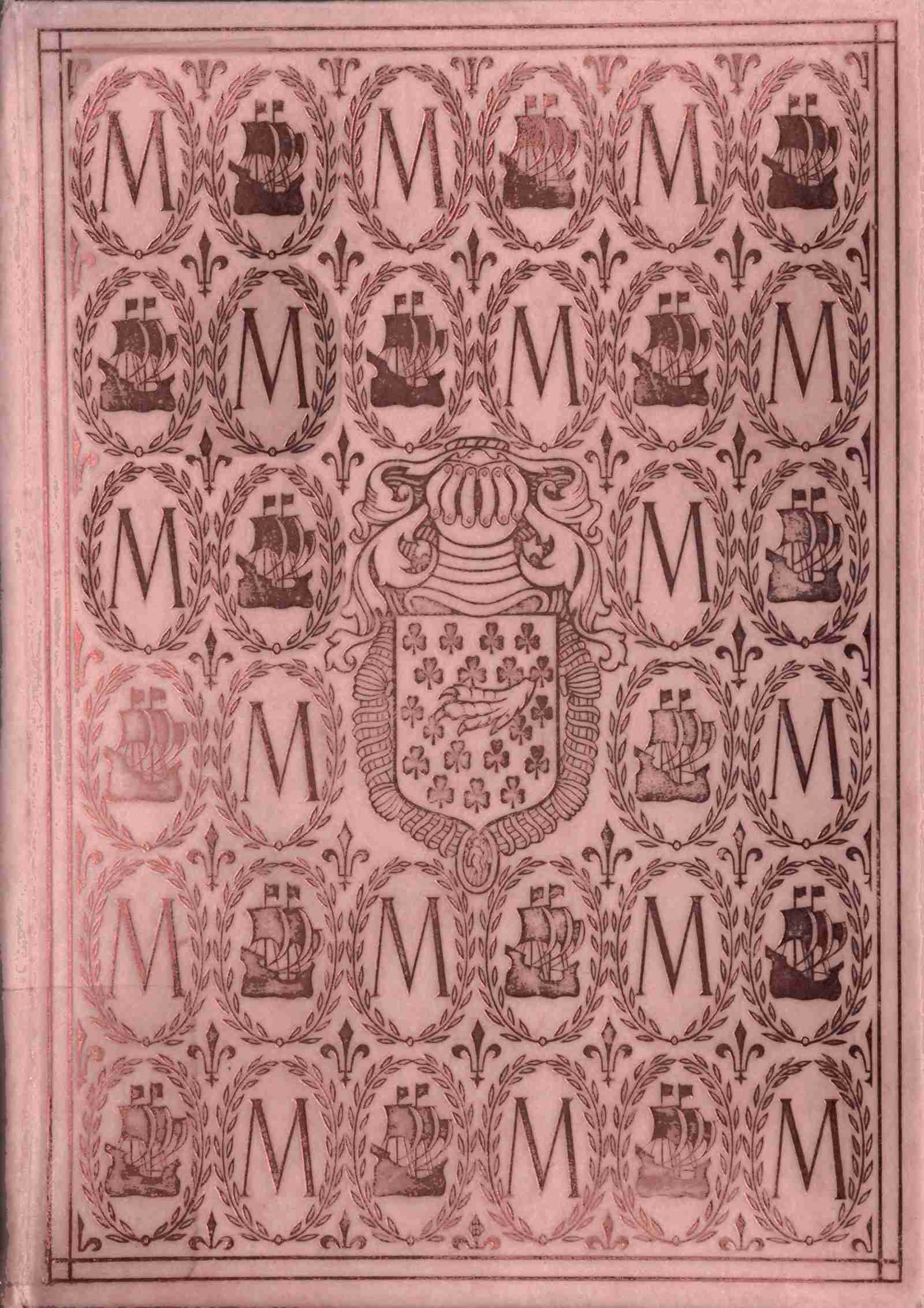
Essays of Michel De Montaigne — Volume 02
Essays of Michel De Montaigne — Volume 02
Translated by Charles Cotton
In the late 16th century, a French nobleman withdrew from public life to his tower and began writing, and in doing so, invented a literary form that would reshape Western thought. Montaigne's essays are not arguments or lectures but something far more radical: an intimate, ongoing conversation with himself and his reader. He examines friendship, education, courage, sorrow, and the thousand ways humans lie to themselves, always returning to the same unsettling question: what does it mean to be human, and how well do we actually know ourselves? This volume continues his inquiry into mercy, resilience, and the complex judgments we make of one another, drawing on historical figures like the Black Prince and Scanderbeg not as distant exemplars but as mirrors for his own uncertainties. What makes Montaigne feel modern, five centuries later, is his radical honesty about his own contradictions, his gentle skepticism toward certainty, and his willingness to say 'I don't know' as often as 'I believe.' He reads like a wise, slightly weary friend rather than a philosopher on a pedestal, which is precisely why his essays still matter.
Editions
X-Ray
“On the highest throne in the world, we still sit only on our own bottom.””
— Michel de Montaigne
“The greatest thing in the world is to know how to belong to oneself.””
— Michel de Montaigne
“I quote others only in order the better to express myself.””
— Michel de Montaigne
“He who fears he shall suffer, already suffers what he fears.””
— Michel de Montaigne
“When I am attacked by gloomy thoughts, nothing helps me so much as running to my books. They quickly absorb me and banish the clouds from my mind.””
— Michel de Montaigne
“If you press me to say why I loved him, I can say no more than because he was he, and I was I.””
— Michel de Montaigne
“If I speak of myself in different ways, that is because I look at myself in different ways.””
— Michel de Montaigne
“Learned we may be with another man's learning: we can only be wise with wisdom of our own.””
— Michel de Montaigne
“I am afraid that our eyes are bigger than our stomachs, and that we have more curiosity than understanding. We grasp at everything, but catch nothing except wind.””
— Michel de Montaigne
Link to this book
Add a free, dofollow link to Lex on your blog, forum, syllabus, or reading list.

<a href="https://lex-books.com/book/essays-of-michel-de-montaigne-volume-02-11cf09c4-7eb0-46ba-a6de-bfc6eec325c0"><img src="https://lex-books.com/badges/read-on-lex.svg" alt="Read Essays of Michel De Montaigne — Volume 02 by Michel de Montaigne free on Lex" width="160" height="40"></a>[](https://lex-books.com/book/essays-of-michel-de-montaigne-volume-02-11cf09c4-7eb0-46ba-a6de-bfc6eec325c0)[url=https://lex-books.com/book/essays-of-michel-de-montaigne-volume-02-11cf09c4-7eb0-46ba-a6de-bfc6eec325c0][img]https://lex-books.com/badges/read-on-lex.svg[/img][/url]Read Essays of Michel De Montaigne — Volume 02 by Michel de Montaigne free on Lex: https://lex-books.com/book/essays-of-michel-de-montaigne-volume-02-11cf09c4-7eb0-46ba-a6de-bfc6eec325c0Cite this book
Reading this edition for a paper or guide? Copy a citation.
Montaigne, Michel de. Essays of Michel De Montaigne — Volume 02. Lex, lex-books.com/book/essays-of-michel-de-montaigne-volume-02-11cf09c4-7eb0-46ba-a6de-bfc6eec325c0.Montaigne, M. D. (n.d.). Essays of Michel De Montaigne — Volume 02. Lex. https://lex-books.com/book/essays-of-michel-de-montaigne-volume-02-11cf09c4-7eb0-46ba-a6de-bfc6eec325c0Montaigne, Michel de. Essays of Michel De Montaigne — Volume 02. Lex. https://lex-books.com/book/essays-of-michel-de-montaigne-volume-02-11cf09c4-7eb0-46ba-a6de-bfc6eec325c0.