Essais De Montaigne (self-Édition) - Volume IV
1907

Essais De Montaigne (self-Édition) - Volume IV
1907
Translated by Michaud
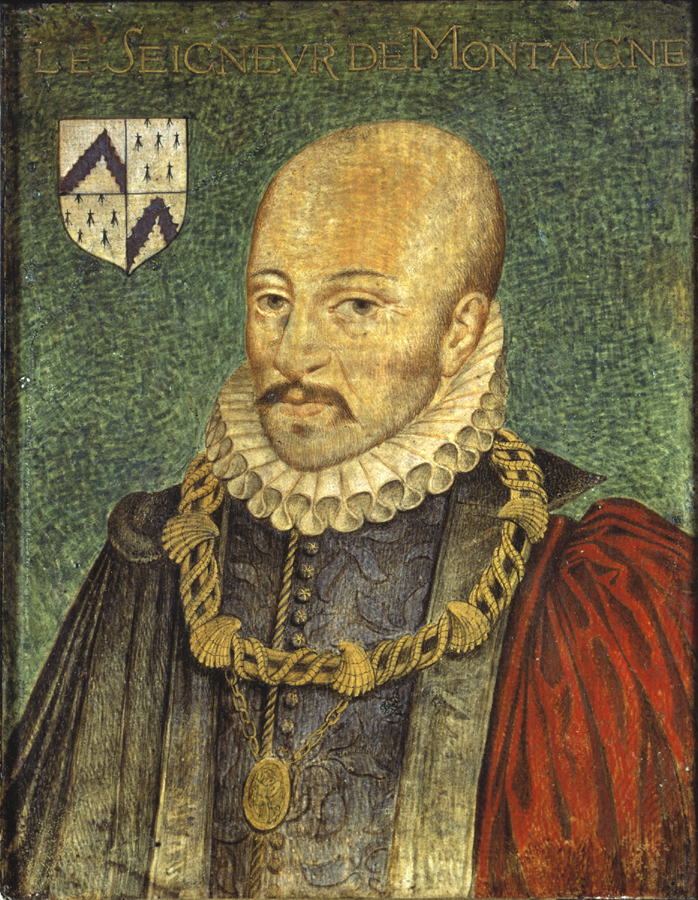
Montaigne invented the essay, and in doing so, he invented a way of being honest on the page. Four centuries before the diary, the memoir, and the personal essay's renaissance, this eccentric nobleman sat in his tower and turned himself into an experiment. What emerges is not a philosophy textbook but a living mind in conversation with itself: curious about cannibals and horse races, skeptical of certainty, deeply interested in the body, in friendship, in the strange ways we deceive ourselves. Volume IV continues this extraordinary project of self-examination, where Montaigne tests his own opinions against experience and finds them wanting. He writes about sex and death, about reading and solitude, about the gap between what we believe and what we do. The prose has the quality of someone thinking aloud, which is precisely what makes it feel contemporary. There is no performance here, only a man at his desk, genuinely trying to figure things out. For readers who have ever felt that the great questions of human existence deserve more honesty than most books provide, Montaigne remains the answer.
Editions

X-Ray
“On the highest throne in the world, we still sit only on our own bottom.””
— Michel de Montaigne
“The greatest thing in the world is to know how to belong to oneself.””
— Michel de Montaigne
“I quote others only in order the better to express myself.””
— Michel de Montaigne
“He who fears he shall suffer, already suffers what he fears.””
— Michel de Montaigne
“When I am attacked by gloomy thoughts, nothing helps me so much as running to my books. They quickly absorb me and banish the clouds from my mind.””
— Michel de Montaigne
“If you press me to say why I loved him, I can say no more than because he was he, and I was I.””
— Michel de Montaigne
“If I speak of myself in different ways, that is because I look at myself in different ways.””
— Michel de Montaigne
“Learned we may be with another man's learning: we can only be wise with wisdom of our own.””
— Michel de Montaigne
“I am afraid that our eyes are bigger than our stomachs, and that we have more curiosity than understanding. We grasp at everything, but catch nothing except wind.””
— Michel de Montaigne
Link to this book
Add a free, dofollow link to Lex on your blog, forum, syllabus, or reading list.

<a href="https://lex-books.com/book/essais-de-montaigne-self-dition-volume-iv-390d33c6-00c8-4bb6-87fc-008f45945542"><img src="https://lex-books.com/badges/read-on-lex.svg" alt="Read Essais De Montaigne (self-Édition) - Volume IV by Michel de Montaigne free on Lex" width="160" height="40"></a>[](https://lex-books.com/book/essais-de-montaigne-self-dition-volume-iv-390d33c6-00c8-4bb6-87fc-008f45945542)[url=https://lex-books.com/book/essais-de-montaigne-self-dition-volume-iv-390d33c6-00c8-4bb6-87fc-008f45945542][img]https://lex-books.com/badges/read-on-lex.svg[/img][/url]Read Essais De Montaigne (self-Édition) - Volume IV by Michel de Montaigne free on Lex: https://lex-books.com/book/essais-de-montaigne-self-dition-volume-iv-390d33c6-00c8-4bb6-87fc-008f45945542Cite this book
Reading this edition for a paper or guide? Copy a citation.
Montaigne, Michel de. Essais De Montaigne (self-Édition) - Volume IV. Lex, lex-books.com/book/essais-de-montaigne-self-dition-volume-iv-390d33c6-00c8-4bb6-87fc-008f45945542.Montaigne, M. D. (1907). Essais De Montaigne (self-Édition) - Volume IV. Lex. https://lex-books.com/book/essais-de-montaigne-self-dition-volume-iv-390d33c6-00c8-4bb6-87fc-008f45945542Montaigne, Michel de. Essais De Montaigne (self-Édition) - Volume IV. Lex. https://lex-books.com/book/essais-de-montaigne-self-dition-volume-iv-390d33c6-00c8-4bb6-87fc-008f45945542.