
Luís de Camões
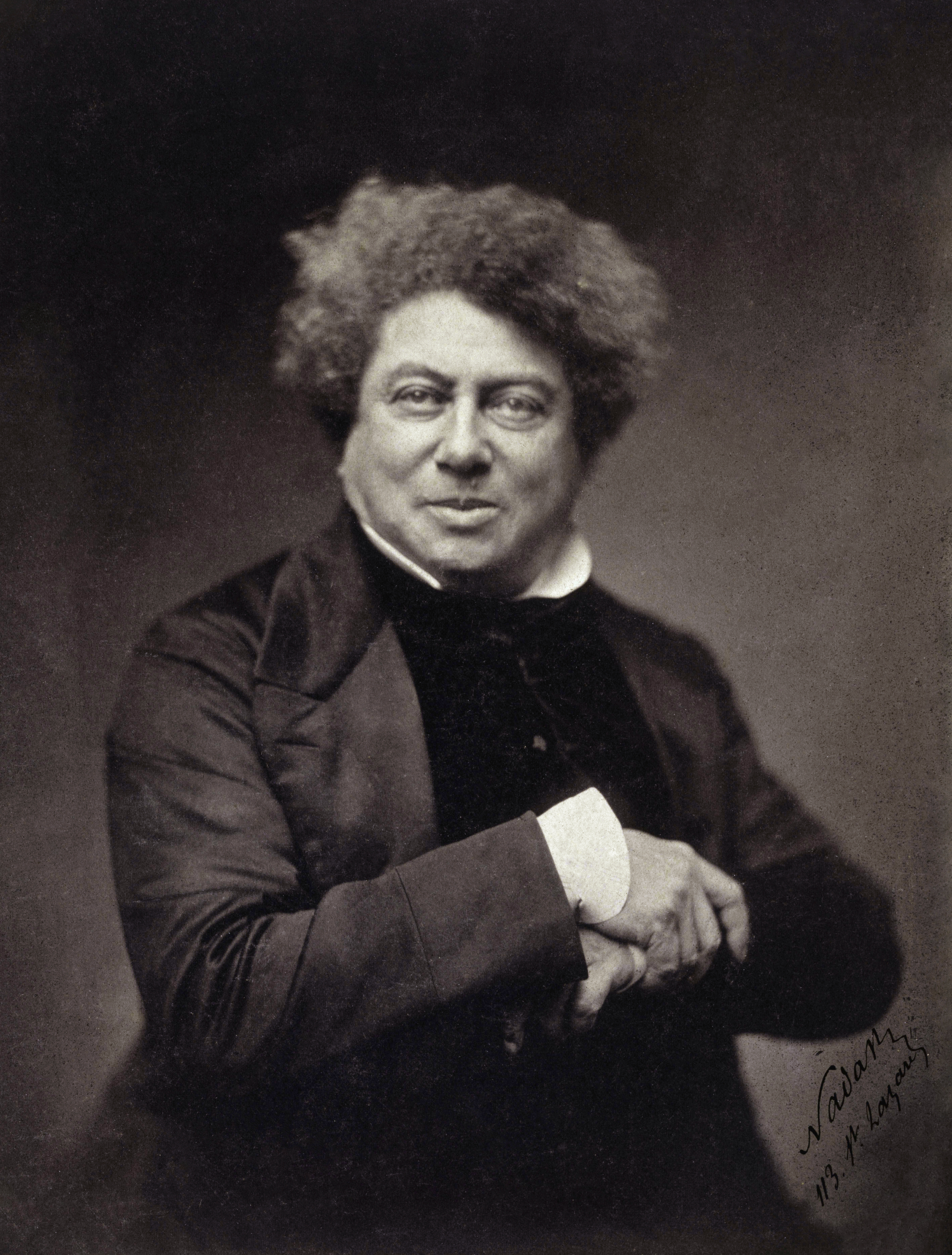
Luís de Camões was a Portuguese poet, widely regarded as one of the greatest figures in Portuguese literature. Born around 1524, his life was marked by adventure and hardship, including a stint in India where he drew inspiration for his most famous work, 'Os Lusíadas'. This epic poem, which celebrates the Age of Discovery and the exploits of Portuguese explorers, is notable for its rich imagery and profound themes of heroism and national identity. Camões's mastery of the sonnet form also established him as a pivotal figure in the development of Portuguese lyric poetry. Despite facing personal struggles, including financial difficulties and periods of imprisonment, Camões's literary contributions have left an indelible mark on Portuguese culture. His works reflect a deep understanding of human emotion and the complexities of life, blending classical influences with a distinctly national voice. His legacy endures not only through his poetry but also as a symbol of Portuguese pride and resilience, influencing generations of writers and poets in Portugal and beyond.
Famous Quotes
View all 18 quotes“Love is a fire that burns unseen,a wound that aches yet isn’t felt,an always discontent contentment,a pain that rages without hurting,a longing for nothing but to long,a loneliness in the midst of people,a never feeling pleased when pleased,a passion that gains when lost in thought.It’s being enslaved of your own free will;it’s counting your defeat a victory;it’s staying loyal to your killer.But if it’s so self-contradictory,how can Love, when Love chooses,bring human hearts into sympathy?””
“Times change, as do our wills, What we are - is ever changing; All the world is made of change, And forever attaining new qualities.””
“Jamais haverá anos novos, se continuar a repetir os mesmos erros dos anos velhos””
Books from the author










Link to this page
Add a free, dofollow link to Lex on your blog, forum, syllabus, or reading list.

<a href="https://lex-books.com/author/luís-de-camões"><img src="https://lex-books.com/badges/read-on-lex.svg" alt="Luís de Camões on Lex" width="160" height="40"></a>[](https://lex-books.com/author/luís-de-camões)[url=https://lex-books.com/author/luís-de-camões][img]https://lex-books.com/badges/read-on-lex.svg[/img][/url]Luís de Camões on Lex: https://lex-books.com/author/luís-de-camões