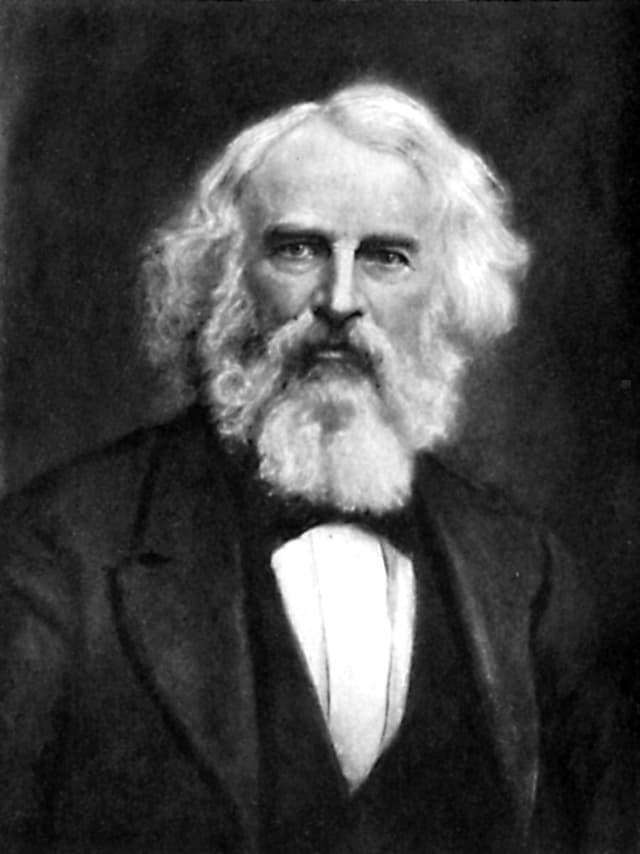
Henry Wadsworth Longfellow
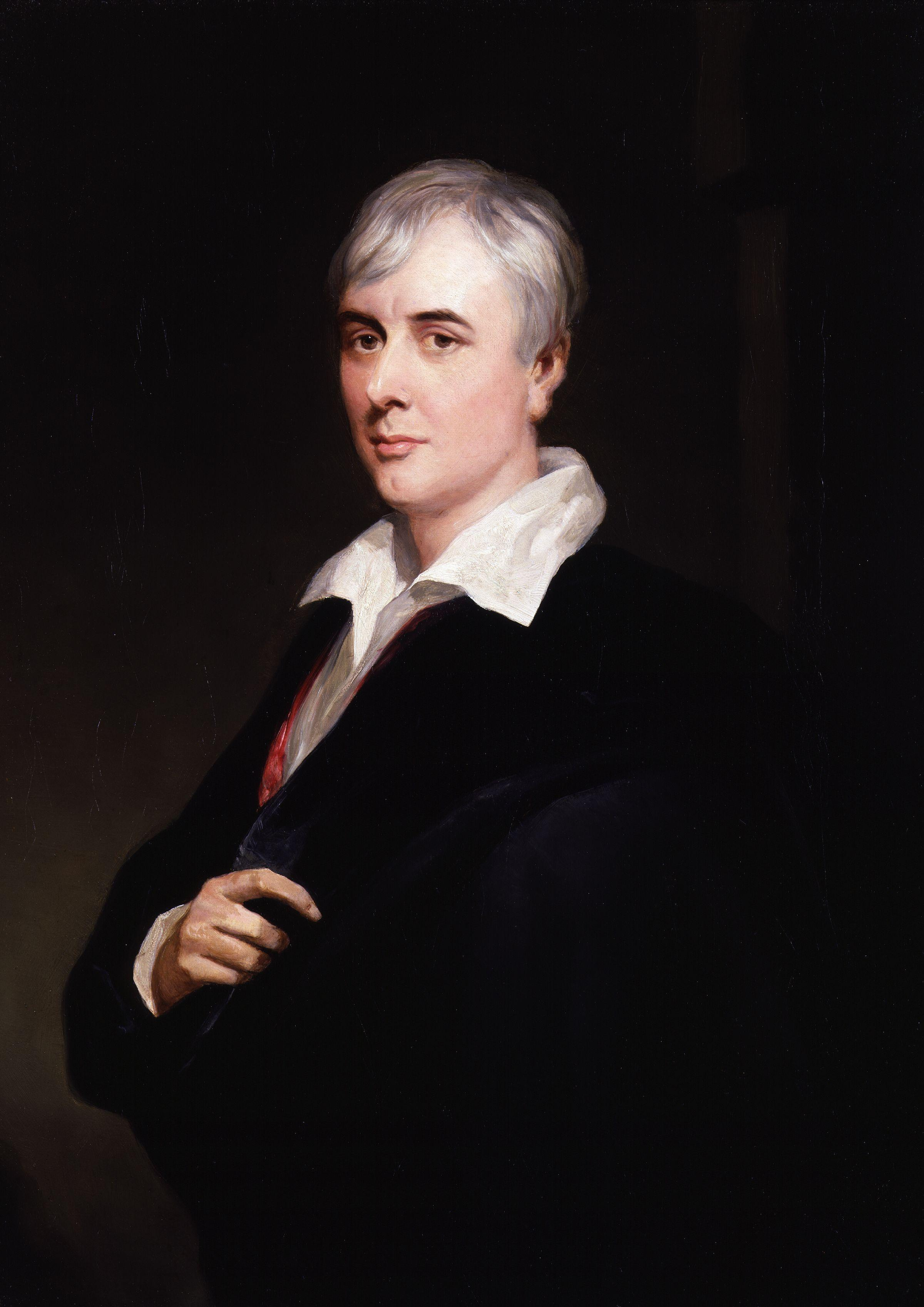
Henry Wadsworth Longfellow was a prominent American poet and educator, celebrated for his lyrical and narrative poetry that resonated with the American public. Born in Portland, Maine, he graduated from Bowdoin College and later became a professor there, as well as at Harvard College after studying in Europe. Longfellow's notable works include 'Paul Revere's Ride,' 'The Song of Hiawatha,' and 'Evangeline,' which reflect his deep engagement with American themes and folklore. He was also the first American to fully translate Dante Alighieri's 'Divine Comedy,' showcasing his scholarly prowess and appreciation for classical literature. As one of the Fireside Poets, Longfellow's poetry was characterized by its accessibility and moral themes, making him a beloved figure in 19th-century American literature. After retiring from teaching in 1854, he dedicated himself entirely to writing, producing works that would leave a lasting impact on American poetry. Despite personal tragedies, including the deaths of both his wives, Longfellow continued to influence the literary landscape until his death in 1882. His legacy endures, as he remains a key figure in the canon of American literature, celebrated for his ability to weave together history, myth, and personal experience into poignant verse.
Famous Quotes
View all 3 quotes“Every man has his secret sorrows which the world knows not; and often times we call a man cold when he is only sad.”
“The love of learning, the sequestered nooks, And all the sweet serenity of books”
“For after all, the best thing one can do when it is raining is let it rain.”
Books from the author

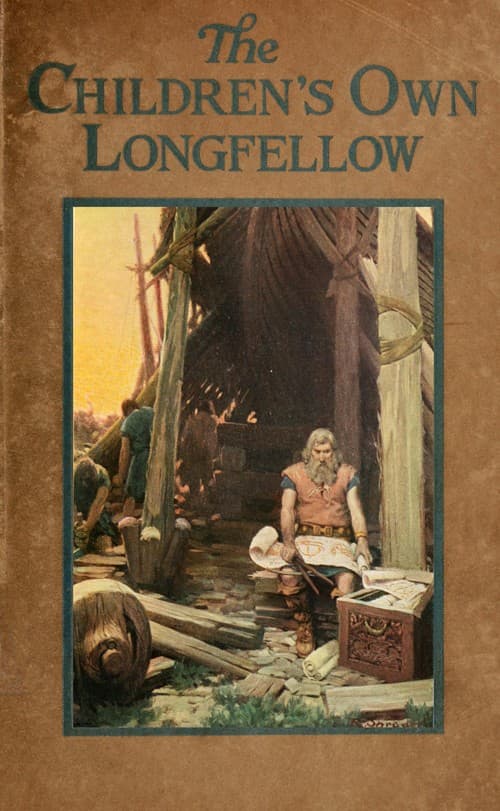













Link to this page
Add a free, dofollow link to Lex on your blog, forum, syllabus, or reading list.

<a href="https://lex-books.com/author/henry-wadsworth-longfellow"><img src="https://lex-books.com/badges/read-on-lex.svg" alt="Henry Wadsworth Longfellow on Lex" width="160" height="40"></a>[](https://lex-books.com/author/henry-wadsworth-longfellow)[url=https://lex-books.com/author/henry-wadsworth-longfellow][img]https://lex-books.com/badges/read-on-lex.svg[/img][/url]Henry Wadsworth Longfellow on Lex: https://lex-books.com/author/henry-wadsworth-longfellow