
Lucan
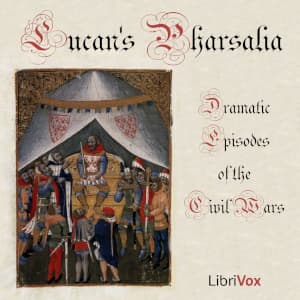
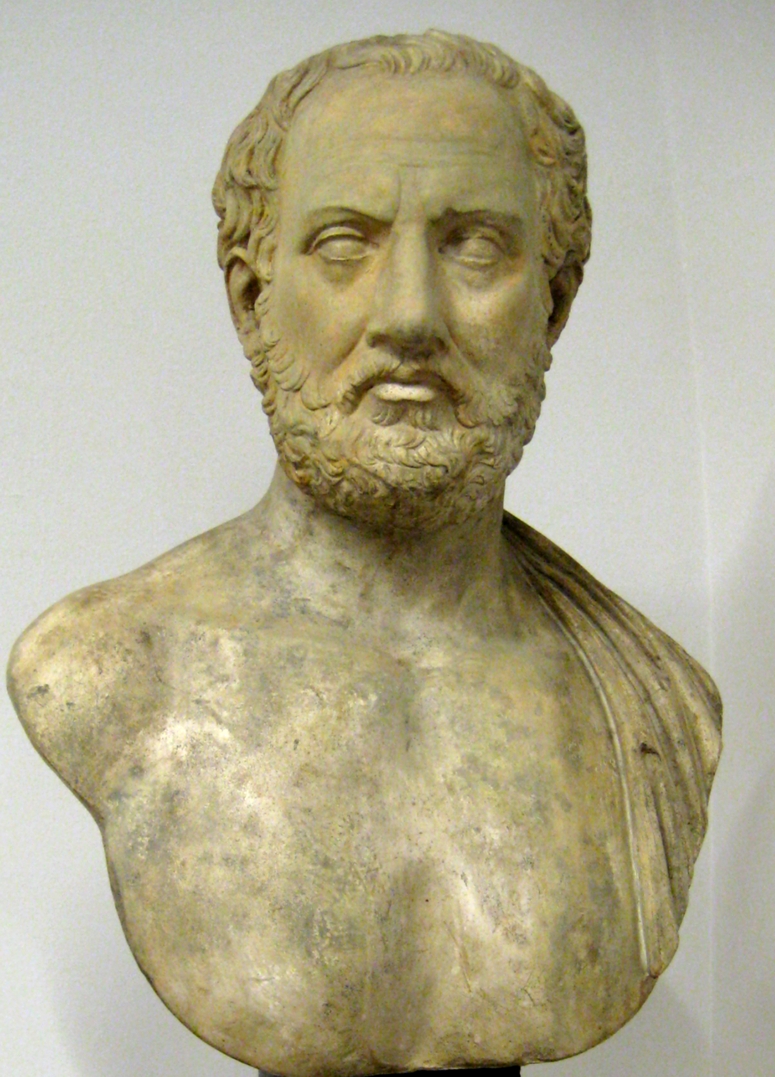
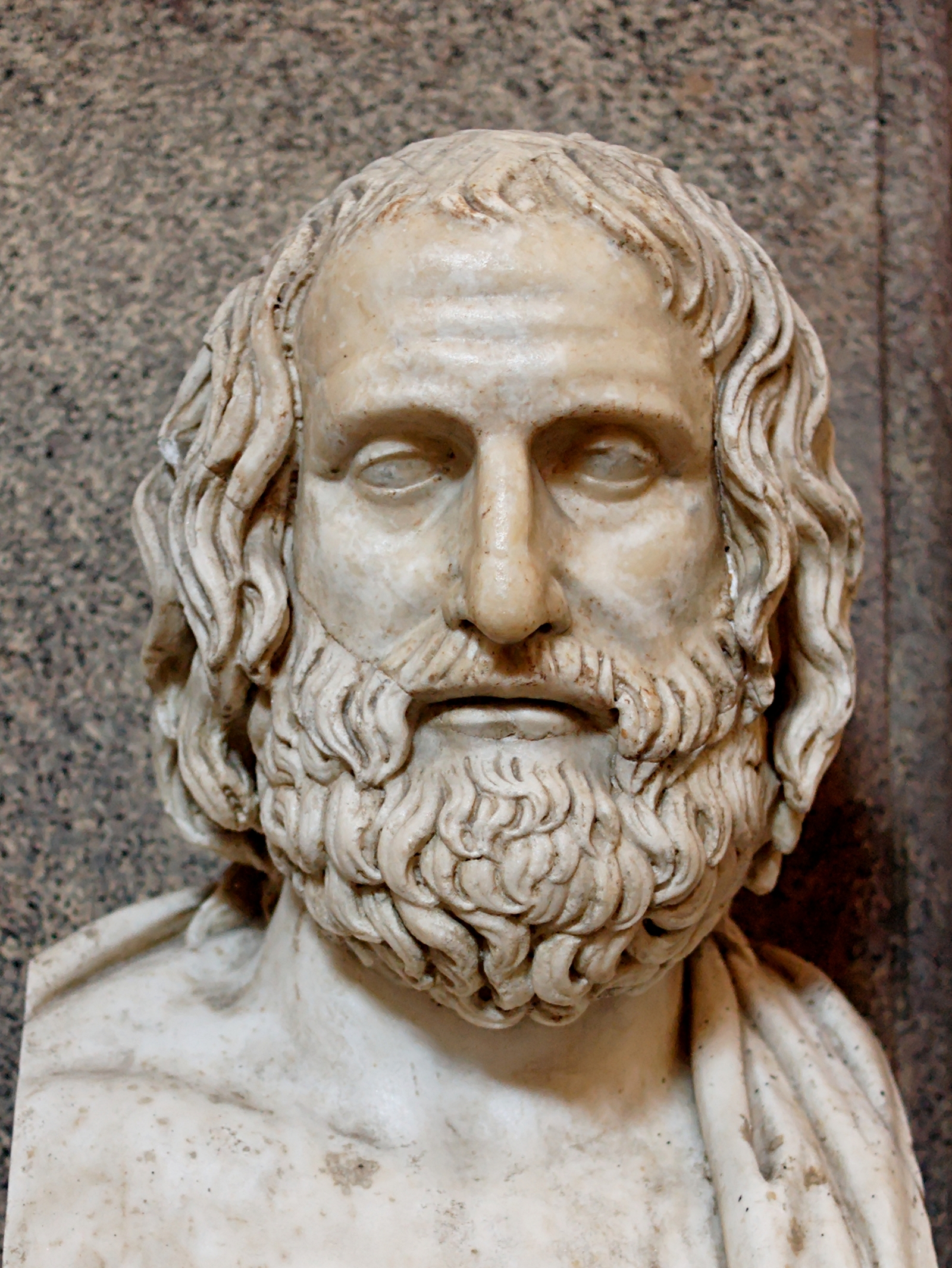
Lucan, a Roman poet of the first century AD, is best known for his epic poem 'Pharsalia,' which recounts the civil war between Julius Caesar and Pompey. Born in a politically charged environment, Lucan's work is notable for its vivid imagery and dramatic narrative style, which diverges from the traditional epic form established by earlier poets like Virgil. His portrayal of the moral complexities of war and the consequences of ambition reflects the turbulent political landscape of his time, making 'Pharsalia' a significant commentary on the nature of power and human conflict. Despite his relatively short life, Lucan's influence on later literature is profound. 'Pharsalia' stands out not only for its content but also for its innovative use of blank verse, a departure from the more common metrical forms of his predecessors. The poem's themes of fate, free will, and the futility of war resonate through the ages, inspiring countless writers and thinkers. Lucan's legacy endures as a pivotal figure in Roman literature, whose work continues to be studied for its artistic merit and historical insight.
Famous Quotes
View all 1 quotes“quod defles, illud amasti.””
Books from the author



Link to this page
Add a free, dofollow link to Lex on your blog, forum, syllabus, or reading list.

<a href="https://lex-books.com/author/lucan"><img src="https://lex-books.com/badges/read-on-lex.svg" alt="Lucan on Lex" width="160" height="40"></a>[](https://lex-books.com/author/lucan)[url=https://lex-books.com/author/lucan][img]https://lex-books.com/badges/read-on-lex.svg[/img][/url]Lucan on Lex: https://lex-books.com/author/lucan