Essays and Tales
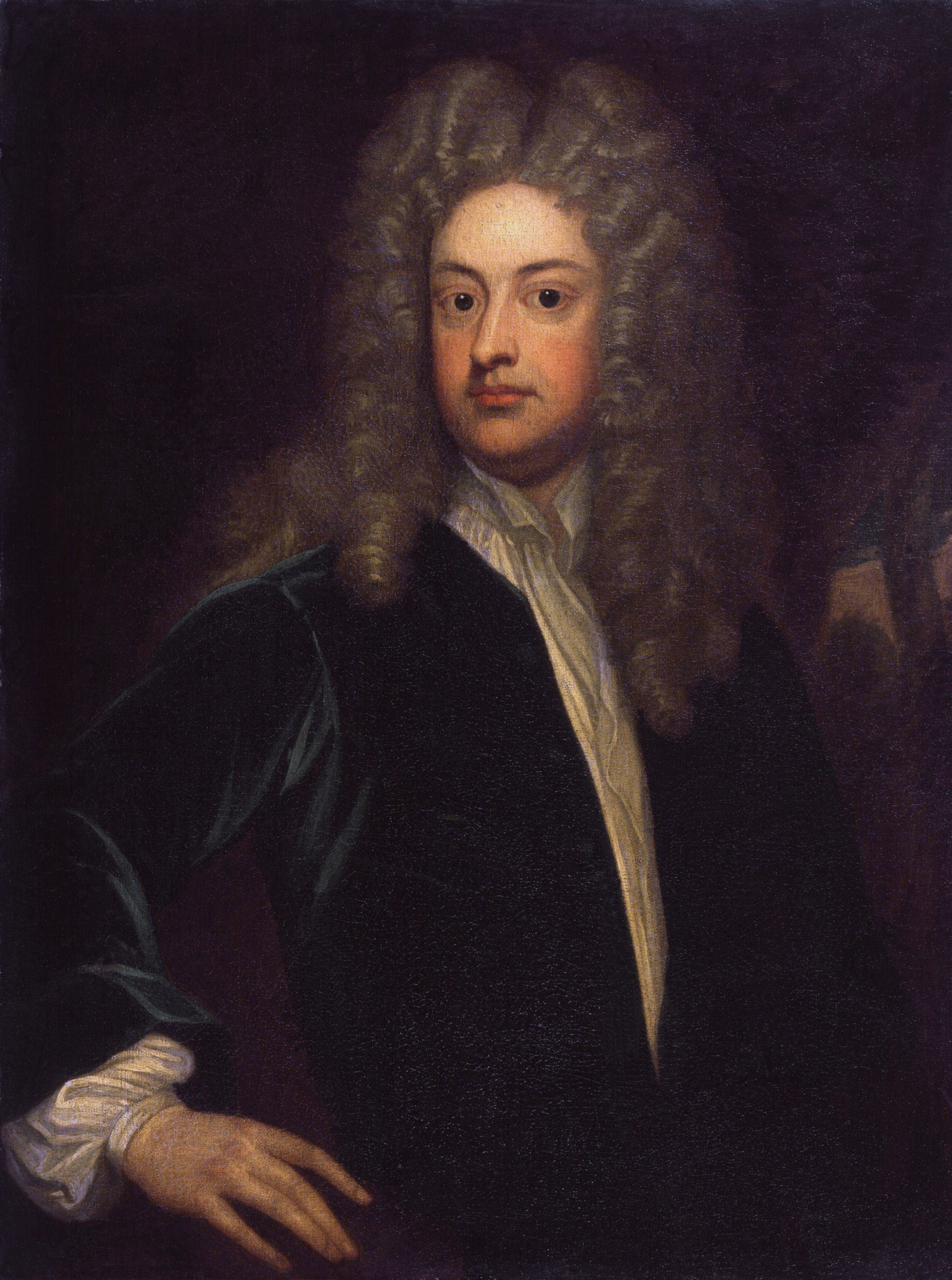
Joseph Addison's essays mark the moment when English prose grew sharp enough to dissect society while entertaining it. Written in the early 1700s for The Spectator and its predecessor The Tatler (collaborating with Richard Steele), these pieces established a model of wit-as-philosophy that would shape English letters for centuries. What distinguishes Addison is his lightness of touch. Rather than lecturing, he seduces readers into contemplation through allegory and anecdote. The famous opening essay on "Public Credit" personifies the concept as a delicate maiden vulnerable to the specters of Tyranny and Anarchy, transforming dry economic theory into moral drama. Addison navigates his era's anxieties about credit, superstition, and the fragile foundations of social order, always preferring suggestion over didacticism. His observations remain strikingly contemporary: the tension between private conscience and public reputation, the theater of social life, how a society's credit reflects its moral health. These are essays that work on two levels simultaneously as diverting entertainment for the coffeehouse crowd and subtle instruction for the more discerning reader. They will appeal to anyone who loves elegant prose, moral nuance, and the eternal human question of how to live well in an imperfect world.
Editions
X-Ray
“I was highly pleased to see the discipline of the pack, and the good-nature of the Knight, who could not find in his heart to murder a creature that had given him so much diversion.””
— Joseph Addison
“Sir Roger was proceeding in the character of him,””
— Joseph Addison
Link to this book
Add a free, dofollow link to Lex on your blog, forum, syllabus, or reading list.

<a href="https://lex-books.com/book/essays-and-tales-e8fe727c-58f4-4724-8423-875748ee902e"><img src="https://lex-books.com/badges/read-on-lex.svg" alt="Read Essays and Tales by Joseph Addison free on Lex" width="160" height="40"></a>[](https://lex-books.com/book/essays-and-tales-e8fe727c-58f4-4724-8423-875748ee902e)[url=https://lex-books.com/book/essays-and-tales-e8fe727c-58f4-4724-8423-875748ee902e][img]https://lex-books.com/badges/read-on-lex.svg[/img][/url]Read Essays and Tales by Joseph Addison free on Lex: https://lex-books.com/book/essays-and-tales-e8fe727c-58f4-4724-8423-875748ee902eCite this book
Reading this edition for a paper or guide? Copy a citation.
Addison, Joseph. Essays and Tales. Lex, lex-books.com/book/essays-and-tales-e8fe727c-58f4-4724-8423-875748ee902e.Addison, J. (n.d.). Essays and Tales. Lex. https://lex-books.com/book/essays-and-tales-e8fe727c-58f4-4724-8423-875748ee902eAddison, Joseph. Essays and Tales. Lex. https://lex-books.com/book/essays-and-tales-e8fe727c-58f4-4724-8423-875748ee902e.